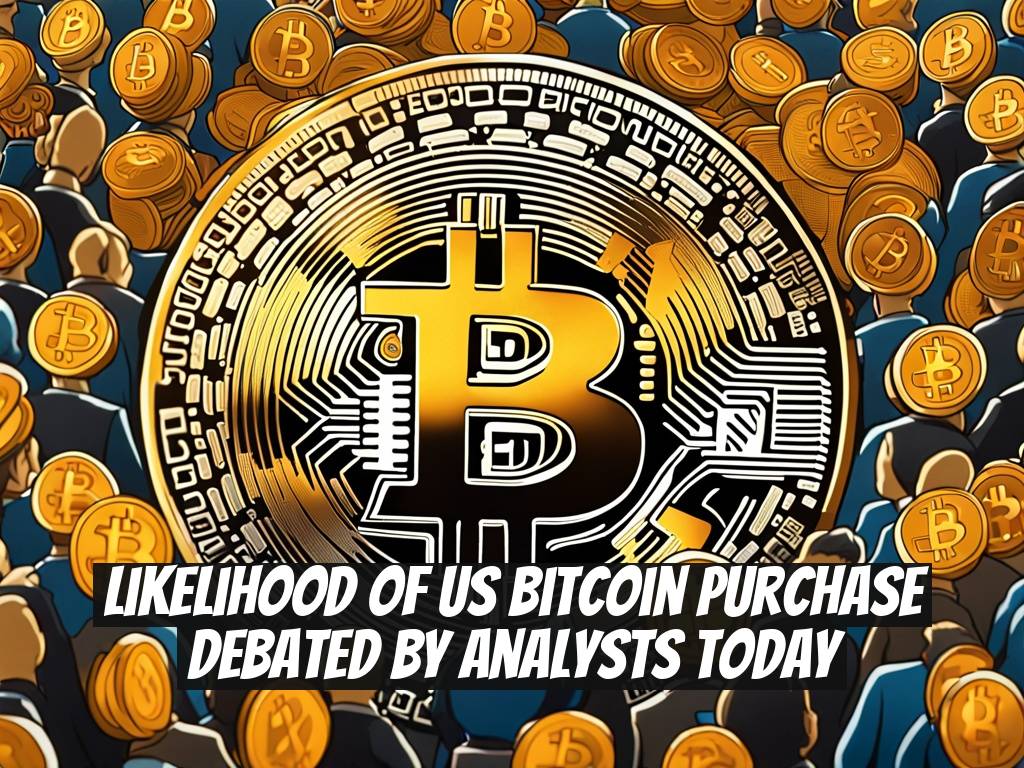
? The Future of Bitcoin in U.S. Government Reserves: What’s Next?
So, let’s dive into this heated discussion about the potential for the U.S. government to buy more Bitcoin. I mean, whether you’re a seasoned investor or just dabbling your toes in crypto waters, this is fascinating, right? As a young American-Japanese crypto analyst, I’ve got my ear to the ground on this, and it feels like we’re standing at the edge of something big-like a rollercoaster ready to drop!
? Key Takeaways
- Current Predictions: Bloomberg forecasts a mere 30% chance of U.S. government Bitcoin purchases in 2025, highlighting political divides.
- Contrarian Views: VanEck’s head of digital assets sees that chance rising to 50-60%, emphasizing potential strategic benefits.
- Political Climate: The current political environment, with a Republican majority, complicates decisions around Bitcoin acquisitions.
- Speculative Outlook: The implications of a national Bitcoin reserve could transform both crypto markets and traditional financial systems.
Subscribe to our Social Media for Exclusive Crypto News and Insights 24/7!
?️ Political Hurdles: A Real Showstopper?
The main skepticism around the U.S. government buying more Bitcoin comes from analysts like those at Bloomberg. They claim there’s only a 30% possibility. Why? Well, the political climate is murky. With the Republicans holding a narrow majority in Congress, any push for Bitcoin purchases would meet fierce opposition from the Democratic side. One analyst even tossed around the idea that, if Trump and his administration were serious about this, they’d already have leveraged existing resources, like the Exchange Stabilization Fund, to make it happen.
Now, imagine Trump, coffee in hand, casually saying, “Hey, let’s just buy a bunch of Bitcoin.” That sounds simple, but political dynamics are like a chess game where every piece is a high-stakes bet-and nobody wants to think of losing their position. You can see why financial analysts are hesitant to bet big on this happening anytime soon.
? Optimism from VanEck: A Brighter Perspective

On the flip side, there’s Matt Sigel from VanEck who’s waving his optimistic flag high in the air. He estimates the chances of a government Bitcoin buy to be between 50% and 60%. His argument hinges on the belief that keeping Bitcoin-a key player in the future of finance-in reserve could offer the U.S. a strategic advantage.
Think about it. In a world that’s gradually leaning towards digital currencies, having a federal Bitcoin reserve could show that the United States isn’t just keeping up with the trends, but rather is leading the charge. It’s like claiming the title of Crypto Champion! From a young analyst’s perspective, this could shift perceptions globally about U.S. financial strength.
? What If It Happens? Implications for Crypto Investors
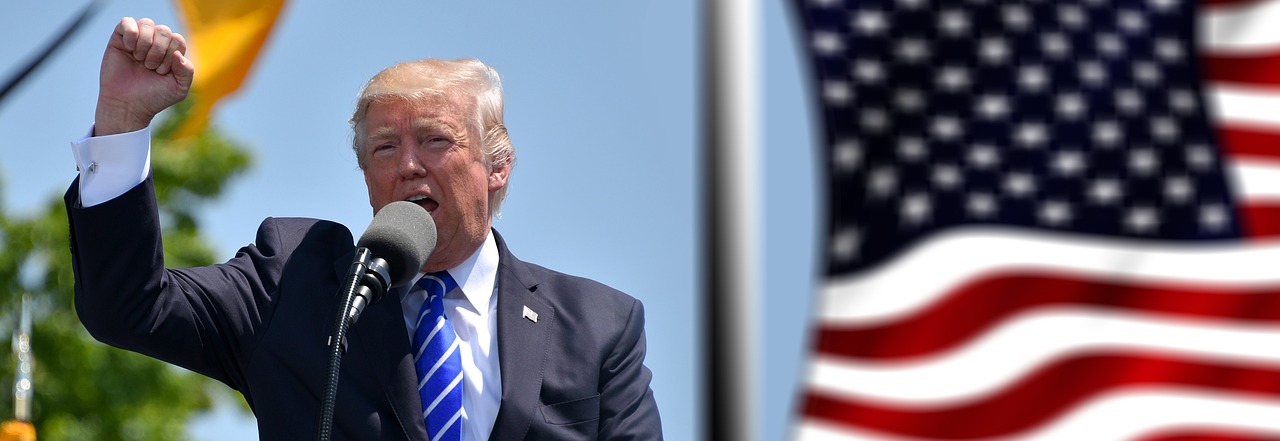
If the U.S. does decide to add Bitcoin to its portfolio, it’d be a game changer. We’re talking about the government, potentially poised to hold a significant chunk of one of the most valuable digital assets!
- Market Surge: You can expect an influx of institutional money. If Uncle Sam starts buying, who wouldn’t want to jump on that bandwagon?
- Mainstream Legitimacy: The credibility of Bitcoin and cryptocurrencies would skyrocket. "If it’s good enough for the U.S. government, hey, it’s good enough for me," right?
- Increased Volatility: Of course, with that surge in interest, we might also see increased volatility. Just remember how Bitcoin can swing from one extreme to another-it’s like riding a bike uphill and then straight into a downhill race!
? Reflecting On the Impacts
As you ponder this situation - what are your thoughts? If we were to wake up one day to the news of a vast Bitcoin purchase by the U.S. government, how do you think that would affect your investment decisions?
This debate highlights a larger story-the tussle between traditional views on finance and the new frontier that cryptocurrencies bring. It’s emotional, it’s intriguing, and it’s definitely a topic that warrants deep reflection. We’re not just talking about numbers here; we’re talking about a shift in how society perceives value, ownership, and finance itself.
So, let’s keep the dialogue going! How would you position yourself in this ever-evolving financial landscape?