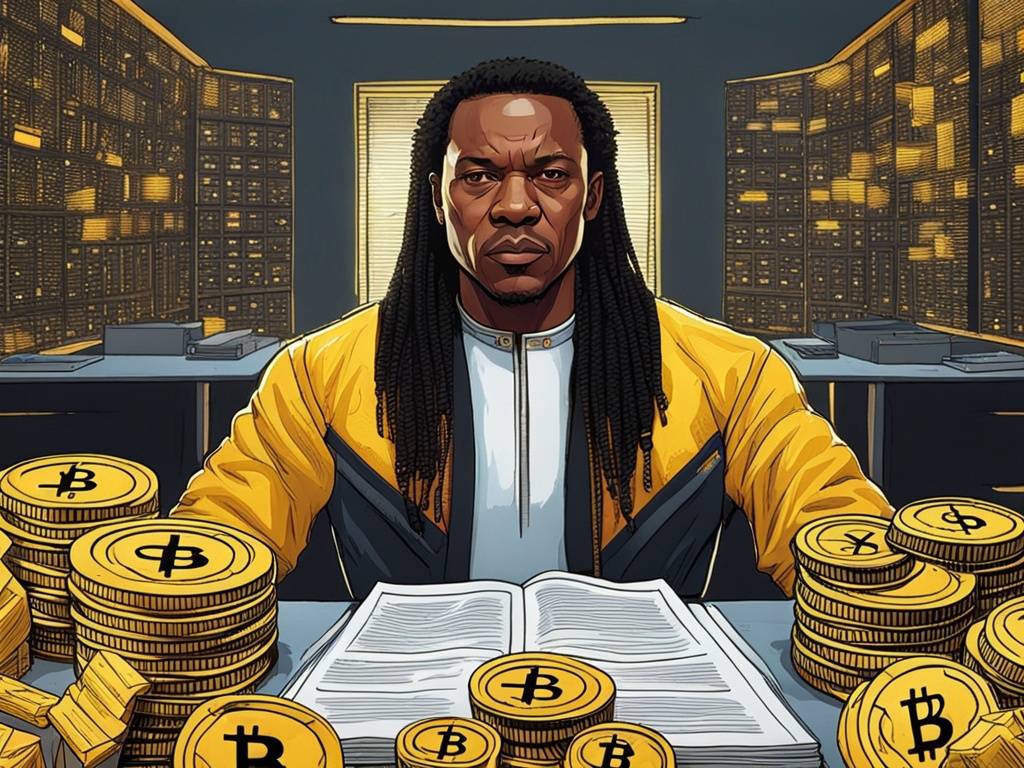
What Happens When a Giant Falls? The Binance Lawsuit and Its Ripple Effects on the Crypto Market
Hey there! So, imagine sitting in a coffee shop, sipping your iced latte, when a friend suddenly brings up the news of Nigeria suing Binance for a staggering $81.5 billion. You raise an eyebrow, not just because of the crazy sum but because you know Binance is one of the world’s leading crypto exchanges. Let’s break this down together-what does it really mean for the crypto market?
Key Takeaways:
- Nigeria is suing Binance for $81.5 billion, claiming substantial economic harm.
- The naira has plummeted over 70% against the USD since 2023, with inflation soaring to 24.48%.
- Binance has halted naira trading, citing regulatory crackdowns amid rising tensions with Nigerian authorities.
- Legal challenges are piling up, with accusations ranging from tax evasion to money laundering.
Subscribe to our Social Media for Exclusive Crypto News and Insights 24/7!
Alright, so first things first-this lawsuit could shake things up. Nigeria’s government is alleging that Binance’s operations have severely hurt its struggling economy. They want Binance to cough up $79.5 billion for economic damage and another $2 billion for back taxes. Talk about a hefty bill!
Now, let’s get to the juicy part. The Nigerian naira has been on a downward spiral, losing more than 70% of its value against the dollar since 2023. That’s insane! Inflation is at an eye-watering 24.48%. Can you even imagine going to the grocery store and seeing prices jump that much?
A lot of Nigerians have turned to Binance to get their hands on cryptocurrencies, using stablecoins as a hedge against inflation and the naira’s devaluation. But now, with Nigeria cracking down, Binance halted all naira-denominated trading last year. So, where does that leave these everyday traders who relied on the platform to protect their purchasing power?
Unraveling Binance’s Legal Battles
Now, let’s chat about the broader implications. Binance is facing numerous legal hurdles in Nigeria. Just this year, they were slapped with four tax evasion charges, all of which they’ve contested. Plus, they’re still dealing with serious accusations of facilitating money laundering, which resulted in a high-profile executive being detained for months.
The tension is palpable-both from the legal front and in how the general public perceives the crypto space, especially in Nigeria. Many officials are blaming Binance not just for economic trouble but also for money laundering. This paints a problematic picture for crypto as a whole in African markets, which are often more volatile and susceptible to regulatory changes.
What does it mean for investors? Well, the fear might drive more traditional investors away from crypto markets due to perceived risks and regulatory concerns. However, on the flip side, as restrictions tighten, savvy investors can look for opportunities elsewhere-like in managing or trading lesser-known Altcoins or innovative DeFi platforms that may provide features not impacted by these legal battles.
A Call to Action for Crypto Investors
So if you’re thinking of dipping your toes into cryptocurrency, especially in emerging markets like Nigeria, it’s crucial to stay informed. Before investing, consider these practical tips:
- Research and Diversify: Always understand the local landscape. If a country is cracking down on crypto, it might be wise to diversify your investments across regions and assets. Look into different coins that are gaining traction elsewhere.
- Stay Updated on Regulations: With the rapid pace of change in the crypto world, ensuring you’re up-to-date with the latest news can give you a significant edge. Follow key figures, analysts, and platforms for news that could impact your investments.
- Consider Risk Management: The volatility of cryptocurrencies is both thrilling and terrifying. Setting clear limits on how much you’re willing to invest and lose can help shield you from potential disaster.
- Explore Alternatives: If trading options are being restricted in a particular market, consider looking into decentralized exchanges (DEXs) or peer-to-peer platforms. These often bypass traditional restrictions and can offer a more flexible trading experience.
In conclusion, while this $81.5 billion lawsuit by Nigeria against Binance might seem like a distant drama, its ripples could affect the entire crypto ecosystem. Investors like you need to be both excited about new opportunities while understanding the risks. It’s a rollercoaster ride!
So, what do you think? Is this lawsuit just a bump in the road for crypto, or is it a sign that these markets need to tighten their belts and steer towards better regulations?