Is Cryptocurrency the Future of Remittances? ?
Hey mate! So, let’s have a chat about something that’s been buzzing in the crypto world-specifically how migrant workers in India are using cryptocurrency to send remittances home. It’s a game-changer, and I reckon you’ll want to know why this matters to the crypto market and to you as a potential investor.
Key Takeaways:
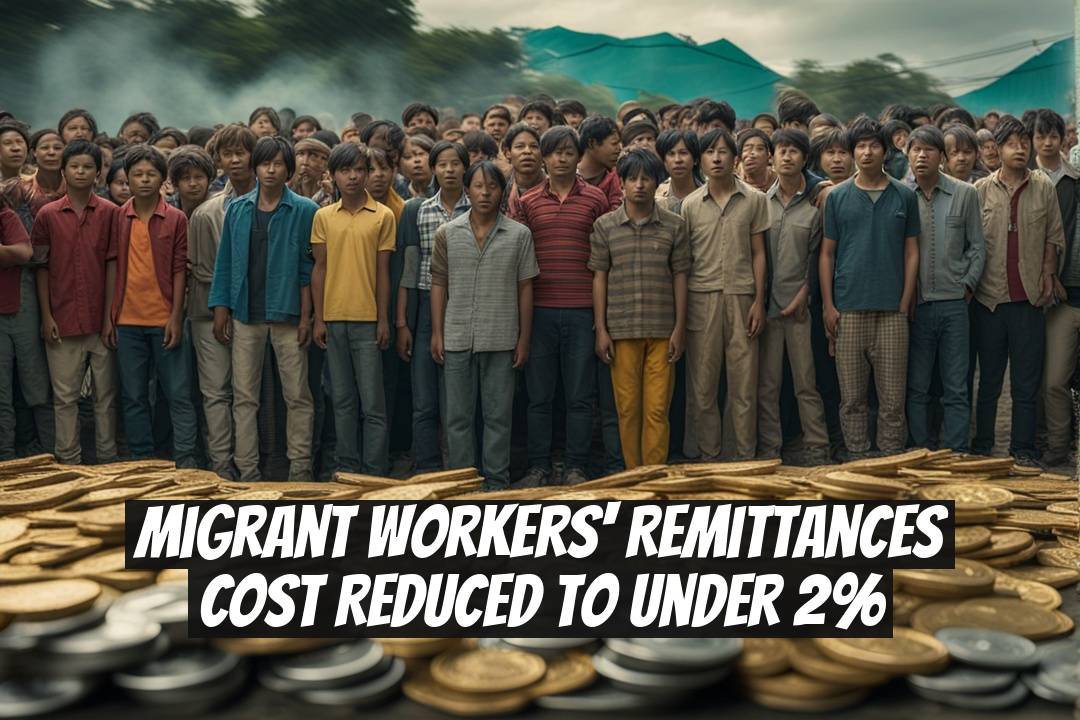
- Remittance costs for Indian migrants using crypto can dip below 2%, sharply lower than traditional methods.
- Crypto routing represents a significant shift in how money moves internationally, particularly in developing regions.
- The Reserve Bank of India is under pressure to regulate this emerging method of remittance.
- An estimated $129 billion in remittances to India could be impacted by this shift.
Subscribe to our Social Media for Exclusive Crypto News and Insights 24/7!
The Remittance Landscape ?
India is already the top destination for remittances worldwide, with a staggering inflow anticipated to hit around $129 billion in 2024. Most of this comes from places like the UAE, where traditional money-transfer systems charge hefty fees. For instance, sending $200 could cost over 3.45% in fees. But here’s the juicy bit: cryptocurrency is changing the game.
Many migrants are using a four-step crypto process that starts with converting Dirhams to USDC. They then transfer this money using networks like Tron-costing mere fractions of traditional fees-before it lands back in India, converted to Rupees and available for instant payout via UPI. This entire process often brings the fees down to less than 2%. ?
Regulatory Challenges ️

Now, while this might sound fantastic, it does create regulatory challenges, especially in India. The Foreign Exchange Management Act (FEMA) doesn’t mention stablecoins, creating a legal grey zone for these transactions. While migrants find a more affordable way to send money home, the Reserve Bank of India (RBI) is left scratching its head over how to monitor and regulate this new method.
Here’s the kicker: if we assume around 5% of the remittance inflow moves through these unregulated channels, India’s central bank could lose track of more money than some sectors of foreign investment! That’s a serious blind spot!
Emotional Impact on Families ️
The implications of these reduced fees go beyond dollars and cents. For example, switching from a 3.45% fee to a sub-2% route can save migrant families money equivalent to one month of food expenses in many Indian cities. That’s not just savings; it’s a lifeline for countless families.
Data Privacy and Risk ️
However, there are risks involved. The anonymity of crypto could introduce challenges, especially concerning money laundering and tax evasion. The Enforcement Directorate in India is already stepping up its scrutiny of crypto transactions to combat these issues. So, being aware of the risks while exploring the potential benefits is crucial.
Actionable Insights for Investors ?
If you’re contemplating diving into this space, here are some practical tips:
Know Your Blockchain: Familiarize yourself with different cryptocurrencies and stablecoins. USDC is seeing serious traction for remittances, so it’s worth understanding.
Regulatory Watch: Keep an eye on RBI announcements. They will directly influence the viability and legality of using crypto for remittances.
Peer-to-Peer Platforms: Explore investing in platforms that facilitate these transactions. They might become pivotal in the remittance industry as regulations catch up.
- Diversify Your Portfolio: Don’t put all your eggs in one basket. Crypto isn’t all sunshine and rainbows; having a diversified portfolio can buffer against volatility.
The Future Outlook ?
The appeal of crypto in cross-border remittances is clear: lower fees and near-instantaneous transactions. But will the RBI embrace this shift, or clamp down on it? That’s the million-dollar question-and how it unfolds will shape the future of remittances not just in India, but globally.
In conclusion, as an investor, ask yourself: Are you ready to bet on a future where crypto not only changes finance but also touches everyday lives in profound ways? Just think about it, mate!