
Riding the Reg Wave: Safer Waters for Crypto Newbies?
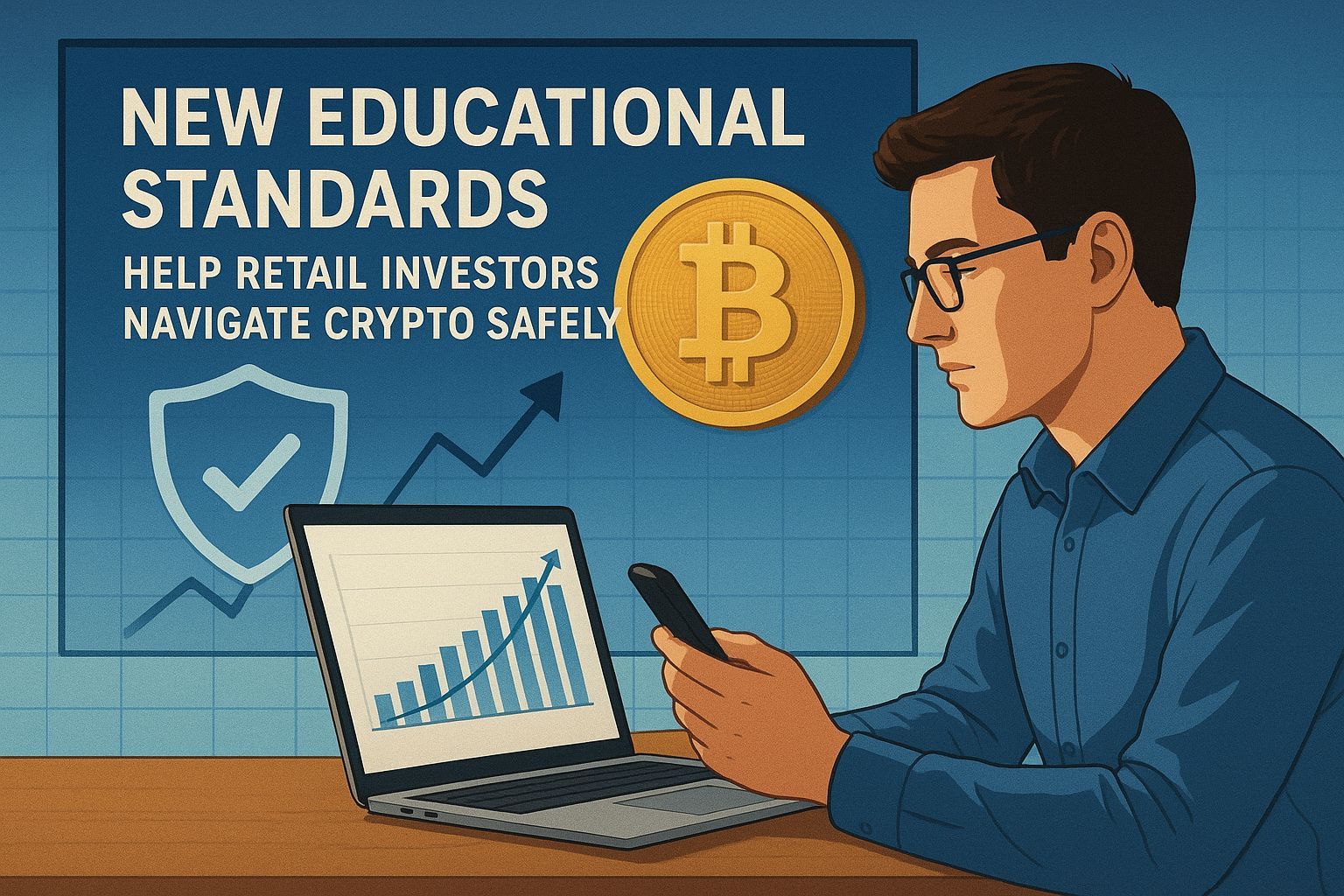
New educational standards and regulatory frameworks are stepping up big time to help retail investors navigate crypto safely, turning what used to be a Wild West into something closer to a guarded highway. Think MiCA in the EU mandating risk disclosures and asset segregation, or Hong Kong’s strict retail trading rules-it’s all about shielding you from the next crash without killing the vibe.[1][2]
Key Takeaways
- EU’s MiCA fully live since late 2024: Forces crypto platforms to segregate your assets, handle complaints properly, and spill the beans on risks-straight-up consumer armor.[1]
- US pushing democratization: GENIUS Act legitimizes stablecoins for everyday use, while SEC and CFTC roll out pilots letting you use BTC, ETH, or USDC as collateral-no more bank bans.[2][3][5]
- Hong Kong’s retail guardrails: Only licensed platforms for big-cap tokens, with suitability checks and market monitoring to keep plebs from getting rekt.[1]
- Coming soon: Clarity Act could supercharge Wall Street crypto products, making it easier for institutions to join without the enforcement paranoia.[4][7]
Subscribe to our Social Media for Exclusive Crypto News and Insights 24/7!
Listen, you’ve probably seen retail folks get smoked in past cycles-October’s volatility was a reminder that crypto don’t play nice without rules. But 2025 flipped the script. Regulators finally got something right: protecting you without choking innovation. EU’s MiCA? It’s like giving every CASP (that’s Crypto Asset Service Provider, fam) a mandatory babysitter license-AML controls, IT resilience, and EU-wide passporting so one approval lets ’em operate everywhere.[1] No more fly-by-night exchanges vanishing with your stack.
US Game-Changer: From Fear to Fiduciary-Friendly
Over in the States, it’s democratization central. The GENIUS Act isn’t just paperwork-it’s a blueprint shoving stablecoins into your daily grind, from payments to collateral.[2][5] Picture this: CFTC’s new pilot program lets futures commission merchants (FCMs) accept Bitcoin, Ether, and USDC as margin collateral. Acting Chair Pham dropped guidance on tokenized collateral right after, pulling outdated rules thanks to GENIUS.[3] SEC Chair Paul Atkins? Dude’s all in: “By approving these generic listing standards, we are ensuring that our capital markets remain the best place in the world to engage in the cutting-edge innovation of digital assets.” That’s straight from his Fintech Conference speech-maximizing your choices while streamlining listings.[3]
And get this-banks got the green light too. US banking regulators yanked old guidance blocking digital asset dabbling, now expanding how they custody and trade your coins.[2] It’s like the suits finally admitted crypto’s staying. Commissioner Hester M. Peirce backed it hard, though one dissenter whined about risks. Honestly, that move caught everyone off guard-in a good way. You’ve seen this before, right? Regs lagging innovation until a crash forces their hand.
Global Playbook: Hong Kong, UK, and Beyond
Hong Kong ain’t messing around. Retail access? Locked to licensed VATPs with SFC-eligible tokens only. Suitability checks mean they quiz if you’re ready for the ride, plus crystal-clear risk warnings and surveillance to sniff out manipulation.[1] UK’s got a Digital Securities Sandbox for testing tokenized goodies under real oversight-think settlement models that could make TradFi jealous.[1]
Kraken’s blog nails it: Regulatory clarity’s now “tangible,” reshaping onchain dollar liquidity via stablecoin laws, with Clarity Act eyeing exchange oversight next.[4] Nasdaq chimes in-Q2 2026 could drop GENIUS fully and Clarity, boosting institutional adoption and sparking new products. A better-regulated market? That’s your ticket to less rug pulls, more real utility.[7]
You holding through a dump? Imagine a retail trader navigating 2022’s chaos without these rules-brutal. Now, with OCC’s Investor Bulletin schooling folks on safe crypto holding,[8] it’s like free night school before you ape in.
Why This Means Squats for Your Portfolio
Short version: These aren’t “educational standards” per se-no fluffy courses yet-but rock-solid protections acting like education by force. Platforms must disclose risks, segregate funds, run KYC where it counts (presales gonna presale, but regulated ones demand it).[6] No liquidation cascades from shady stables anymore; reserves gotta be high-quality, redemptions timely.[1]
Whales ain’t sleeping-they’re rotating into compliant plays. Fidelity’s 2026 outlook hints at this momentum carrying over, blending regs with BTC cycles.[9] Rhetorical question: Ready to trade without the constant “is this legal?” paranoia?
- https://sumsub.com/blog/global-crypto-regulations/
- https://www.clearygottlieb.com/news-and-insights/publication-listing/2026-digital-assets-regulatory-update-a-landmark-2025-but-more-developments-on-the-horizon
- https://www.lw.com/en/us-crypto-policy-tracker/regulatory-developments
- https://blog.kraken.com/crypto-education/crypto-markets-in-2026
- https://www.klgates.com/Crypto-in-2026-The-Democratization-of-Digital-Assets-1-29-2026
- https://www.businessinsider.com/personal-finance/how-to-find-upcoming-crypto-presales
- https://www.nasdaq.com/articles/2-big-crypto-regulations-dropping-q2-2026
- https://www.occ.gov/publications-and-resources/publications/community-affairs/financial-literacy-digest/financial-literacy-digest-winter-2026.html
- https://www.fidelity.com/learning-center/trading-investing/crypto/2026-outlook-2025-recap-vid






