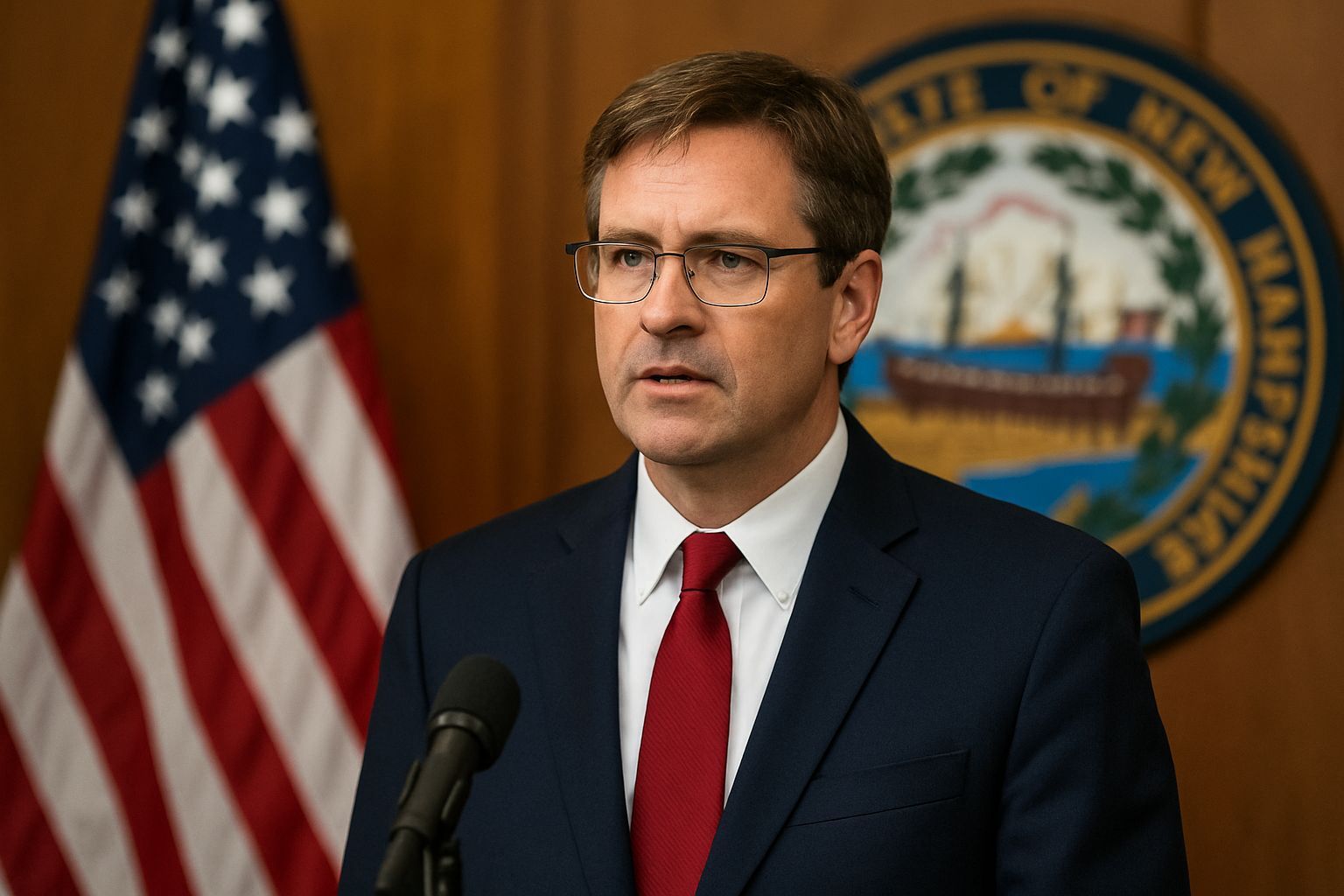
When Local Voices Roar: New Hampshire Hits the Brakes on Crypto Mining Bill
New Hampshire has just thrown a curveball at the crypto mining community by delaying House Bill 639-a bill that aimed to ease regulations on cryptocurrency mining in the state after a storm of public opposition and an evenly split Senate vote. This delay has left miners, investors, and locals holding their breath amid heated debates about energy use, noise pollution, and economic promise.
House Bill 639 was crafted to eliminate local government powers over crypto mining operations, including restrictions on noise, electricity consumption, and zoning. It also sought to prevent special taxes on digital assets and establish a specialized blockchain dispute court. Yet, despite supporters singing this bill’s praises as New Hampshire’s ‘internet moment,’ the overwhelming public backlash and environmental concerns have stalled it till at least 2026.
Why? Because when you mix noisy rigs humming 24/7 with green energy debates, residents and lawmakers alike get twitchy.
Subscribe to our Social Media for Exclusive Crypto News and Insights 24/7!
Key Takeaways from New Hampshire’s Crypto Mining Drama
- House Bill 639 aimed to deregulate crypto mining by restricting local control on operations, noise, and taxation.
- Strong public opposition cited environmental and quality-of-life concerns, demanding a rethink.
- Senate Commerce Committee voted 4-2 to delay the bill for further review in 2026.
- The bill includes a novel blockchain dispute court to fast-track tech-related litigation.
- New Hampshire’s decision reflects wider US regulatory tensions between innovation and clean energy goals.
- Energy consumption and noise remain the dominant worries mining opponents raise, mirrored in similar battles nationwide.
? What’s Really in House Bill 639?
If you thought this was just another bill about crypto mining, think again: HB 639 is comprehensive-and controversial.
Its core idea? Strip local governments of their powers to uniquely regulate crypto miners. No more special noise ordinances, zoning restrictions, or power usage limits that only crypto mining has to adhere to. Local lawmakers would be gagged from imposing extra taxes or fees on mining operations or digital assets.
Plus, the bill proposes creating a blockchain-focused court docket inside New Hampshire’s Superior Court system, with a governor-appointed justice to handle cases related to blockchain tech disputes. A move that would streamline crypto-related legal conflicts in the state.
Supporters see this as a bold push for innovation. They argue New Hampshire could become a crypto hub, echoing the state’s historical embrace of the internet boom in the ’90s. They say jobs and investments would flow in like a tidal wave.
But hold up - if it’s so great, why all the fuss?
? Public Pushback: Noise, Energy, and Local Control

The loudest voices opposing HB 639 weren’t from crypto skeptics (well, not exactly) but neighbors who treasure peace and a healthy environment.
Here’s what they’re worried about:
- Noisy Mining Rigs: Imagine giant warehouses humming nonstop, forever. This isn’t your PC jogging at home.
- Energy Guzzling: Crypto mining can suck massive amounts of electricity-and right now, concerns about climate change and energy grid stability aren’t going anywhere.
- Loss of Local Say: Communities fear losing control over how mining impacts their neighborhoods, especially when it comes to zoning and noise.
Senators reported receiving more calls about this bill than any other in 2025, an “unusually high volume” that forced a second look. The Senate Commerce Committee’s 4-2 delay vote reflects the growing unease, with lawmakers like Sen. Tara Reardon of Concord citing constituent worries as a decisive factor.
Environmental groups joined the chorus, warning about crypto mining’s water and power consumption, drawing parallels with Arkansas, where similar deregulation attempts led to rolling back rules after noise complaints.
? Market Pulse & On-Chain Insights: What’s Crypto Saying?

While New Hampshire lawmakers wrestled with the bill, the crypto markets were anything but quiet.
Take Bitcoin: after a rough tumble in Q1 2025, BTC found support around $26,500, refusing to drop further and bouncing back with a vigor that reminded many traders of 2021’s shakeouts. Actually, one trader I spoke to said the recent price action “felt eerily like 2021’s blow-off top” with whales dancing between support and resistance like cats on a hot tin roof.
Ethereum wasn’t playing nice either-ETH swan-dived below $1,550 before staging furious rebounds, often hitting resistance resistance at $1,700. The ADX (Average Directional Index) hinted at a consolidation phase, with no clear directional strength, suggesting traders are holding their breath for major catalysts-maybe regulatory clarity from places like New Hampshire?
From an on-chain perspective, data from Glassnode shows a subtle uptick in miner profitability and hash rate despite patchy market moves, reflecting steady mining operations in regions with favorable policies. But globally, the reluctance of states like New Hampshire to rush crypto deregulation sends capital hunting greener pastures, skewing investment toward crypto-friendly states like Texas and Georgia, which now attract 60% of US mining investments in 2025.
This makes sense-because a fractured regulatory landscape pushes miners toward energy policies that favor low cost and cleaner sources, key in a market hyper-focused on sustainability.
Energy Wars & Regulatory Chess

Here’s where the rubber meets the road. New Hampshire pushing pause isn’t just about noise; it’s about energy policy.
By 2025, about 54.5% of US crypto mining energy consumption comes from renewables. Why? Because it cuts costs and helps dodge climate pressure.
The problem? Mining rigs demand constant energy - no rest for the weary machines. Local grids, especially in smaller states like New Hampshire, feel the strain. Lawmakers and residents fret about power grid stability and rising bills.
Compare this with Texas or North Dakota, where cheap abundant wind and solar power funnels miners in droves. New Hampshire’s current grid and regulatory uncertainty make it a tough sell.
This regulatory tug-of-war means the bill’s delay could push investors offshore-to more friendly shores like the European Union, which recently aligned MiCA regulations with mining incentives-a big deal for global miners.
For instance, according to Bank of America’s recent report on crypto mining investments[1], regulatory certainty massively influences capital flow, and New Hampshire’s policy limbo is a big red flag for now.
? What’s Next? Looking Toward 2026 and Beyond
So where does that leave crypto heads in New Hampshire?
Well, the bill’s backers still believe in the long game. The delay lets lawmakers gather more data, address environmental concerns, and maybe even craft a compromise that keeps mining alive without making locals miserable.
Crypto miners and investors should watch for these moving parts:
- Regulatory updates in the New Hampshire Senate come mid-2026.
- Potential integration of energy efficiency standards for crypto operations.
- Emerging local government input mechanisms to balance mining ambitions with community needs.
And honestly, who knows? This pause could prove healthy. After all, no one wants to repeat the Arkansas noise drama or face backlash that could tank crypto’s regional welcome.
Remember back in 2022, holding ADA through a 60% dump was brutal - but that taught me to value patience and risk management more than rush hype. Maybe the same wisdom applies here.
?️ Visual insight:
? A Quick Techie Dive: Dominance Cycles and Market Mechanics
You’ve seen this before, right? BTC teasing a breakout then faking out like a cryptic ex. That’s dominance cycles playing their tune. When BTC dominance slides down, altcoins come alive-in some cases like ETH, SOL-a market rotation specter haunts every trader’s dream and nightmare.
Remember April 2025? ETH’s ADX crossed 25 into strong trend territory, hinting a breakout was brewing. But just as fast, liquidation cascades swept through altcoin markets, triggered by leveraged longs unwinding after a sudden news dump from a major exchange regulation tweak.
The whales ain’t sleeping, fam. They’re rotating capital across Bitcoin, Ethereum, and emerging Layer 1 protocols based on this regulatory noise.
The New Hampshire bill delay? It’s just more noise in the system.
New Hampshire Delays Crypto Mining Bill After Strong Public Opposition: Frequently Asked Questions
Q1: What is House Bill 639 about in New Hampshire?
A1: House Bill 639 proposes to prevent local governments from imposing special regulations or taxes on cryptocurrency mining and sets up a specialized blockchain dispute court. It aims to deregulate mining but currently is delayed due to public concerns.
Q2: Why was the crypto mining bill delayed in New Hampshire?
A2: The bill faced strong public backlash over environmental concerns, noise pollution, energy consumption, and the loss of local regulatory control, leading the Senate Commerce Committee to delay it for further review.
Q3: How does crypto mining affect energy consumption and local communities?
A3: Crypto mining rigs consume large amounts of electricity continuously, which can strain local power grids and increase noise pollution, leading to community opposition over environmental and quality-of-life impact.
Q4: What impact does this delay have on crypto investors?
A4: The delay creates regulatory uncertainty, potentially pushing mining investments to more crypto-friendly states or abroad, affecting the competitiveness and growth of New Hampshire’s crypto sector.
Q5: What is the significance of the blockchain dispute docket proposed in the bill?
A5: It would streamline legal disputes involving blockchain technology in New Hampshire by creating a dedicated court docket overseen by a governor-appointed justice, aimed at faster and specialized handling.
Q6: How are other states handling crypto mining regulation compared to New Hampshire?
A6: States like Texas and Georgia have embraced crypto mining with fewer restrictions and incentives, attracting major investments, while New York and California impose stricter rules and taxes, leading to a fragmented national landscape.
crypto mining energy consumption
blockchain dispute docket
crypto mining regulations
- https://coinfomania.com/new-hampshire-crypto-mining-bill-delayed-after-public-pushback/
- https://coinedition.com/new-hampshire-senate-panel-hits-pause-on-crypto-mining-bill/
- https://phemex.com/news/article/new-hampshire-postpones-crypto-mining-bill-amid-senate-deadlock-31942
- https://www.binance.com/en/square/post/11-01-2025-new-hampshire-senate-committee-delays-cryptocurrency-mining-bill-31799611660513
- https://www.ainvest.com/news/crypto-mining-deregulation-state-level-energy-policy-strategic-implications-crypto-infrastructure-investment-2511/
- https://www.tronweekly.com/crypto-mining-bill-stalled-after-split-vote-in/
- https://granitegeek.concordmonitor.com/2025/10/31/nh-bill-would-unleash-bitcoin-a-terrible-idea/
- https://www.cryptopolitan.com/senate-splits-on-crypto-mining-bill/