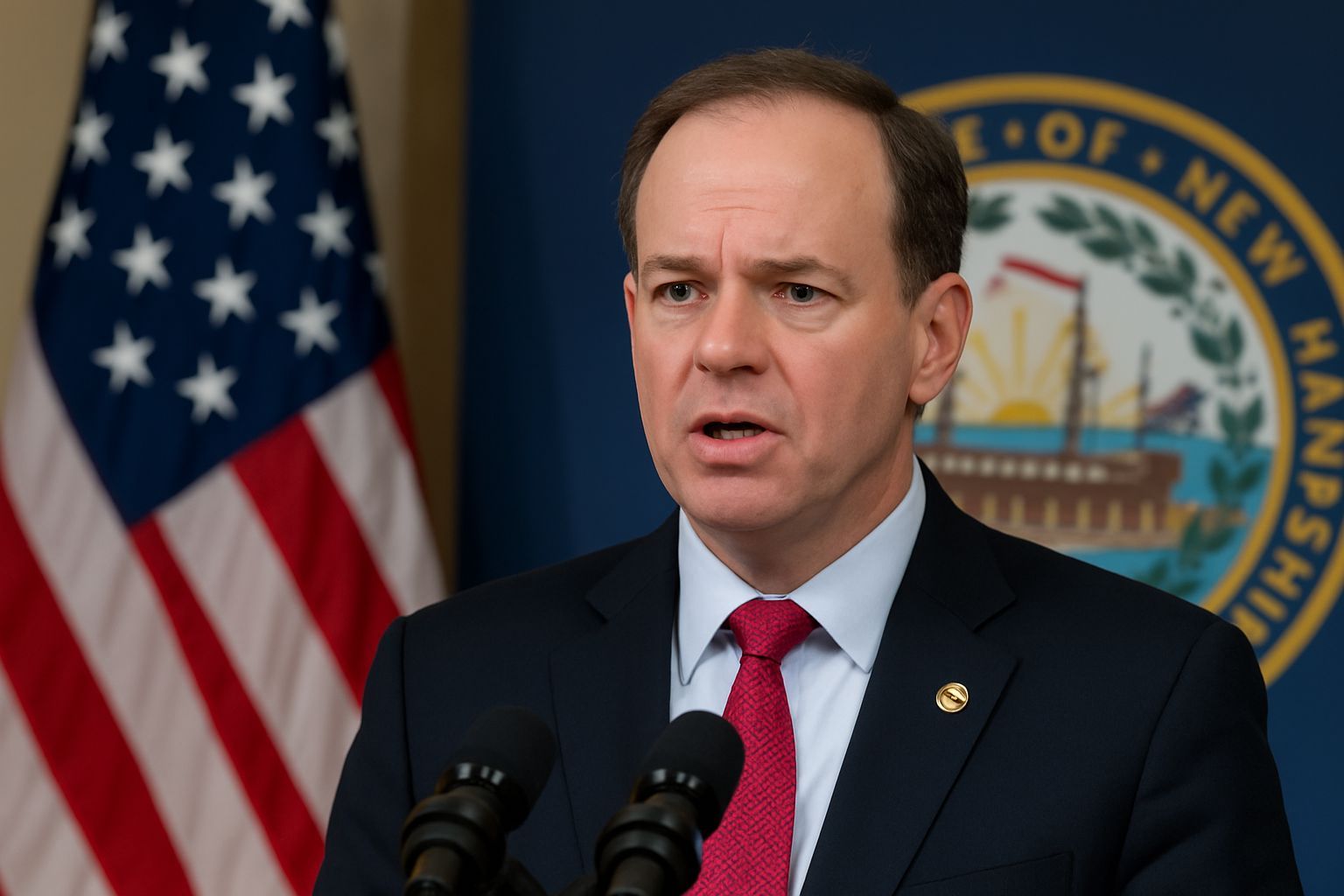
New Hampshire’s Crypto Mining Saga: The Senate Split That’s Got Everyone Talking
The New Hampshire Senate is stuck in the throes of a heated debate over crypto mining deregulation, and honestly, it’s causing quite the stir among investors, lawmakers, and environmentalists alike. House Bill 639, the centerpiece of this battle, aims to halt municipalities from imposing their own restrictions on crypto mining operations, including noise, zoning rules, and special digital asset taxes. But the Senate Commerce Committee just hit the brakes, voting 4-2 to send the bill back for further study after an avalanche of public backlash. If you’re wondering what that means for crypto investors, the local economy, or even the broader mining landscape, stick around-this one’s got layers to unpack.
Key Takeaways
- House Bill 639 aims to deregulate crypto mining in New Hampshire by blocking local restrictions on noise, zoning, and taxes.
- The Senate Commerce Committee delayed HB 639 amid strong public opposition over environmental concerns and loss of local control.
- New Hampshire is caught up in the larger U.S. debate where states diverge sharply on crypto mining regulation, influencing capital flows and infrastructure investment.
- Energy consumption, noise complaints, and zoning authority are the core sticking points, reflecting growing tensions between economic growth and community sustainability.
- Delays around the bill create uncertainty for miners, pushing some investors to watch states like Texas and Georgia or offshore markets.
Subscribe to our Social Media for Exclusive Crypto News and Insights 24/7!
The Stakes Are High: What’s HB 639 Really About?
HB 639 is not just another bill-it’s an attempt to overhaul how crypto mining interacts with local governance in New Hampshire. The bill’s key pillars:
- Stop municipalities from using noise ordinances or zoning laws solely aimed at crypto mining farms.
- Ban special taxes on digital assets or blockchain transactions.
- Create a dedicated blockchain dispute docket in state courts, staffed by governor-appointed justices familiar with these tech nuances.
For miners, it sounded like a golden ticket-less red tape and no weird local hurdles. But the risk is clear: stripping local governments of their power to regulate what some see as heavy energy and noise consumers of their communities.
?️ Public Outcry: Energy, Noise, and Local Control

Honestly, the pushback took many by surprise. Senators on the Commerce Committee reported receiving a flood of calls and emails-more than any bill this year, no joke-mostly from residents alarmed about noise pollution and electricity bills blowing up.
Senator Tara Reardon of Concord voiced what many felt: residents worry the noise and energy usage could destroy the quality of life in neighborhoods. There’s precedent too: Arkansas adopted a similar law but later had to slam on the brakes after noise complaints and grid strain.
Environment groups like the New Hampshire Network highlight the massive power consumption involved in mining rigs-think industrial fans running 24/7 and water cooling systems guzzling resources. Even with the U.S. mining industry shifting towards renewables (now around 54.5% usage nationally in 2025[2]), it’s a tough sell for many towns.
? Market Mechanics: What This Means for Crypto Prices and Investments
Now, if you’re sitting there wondering if local drama in a small northeastern state impacts crypto’s big picture, you better believe it does-even if indirectly.
Crypto mining market dominance, liquidity, and infrastructure trends are sensitive to regulatory clarity. New Hampshire’s limbo status is a microcosm of the broader U.S instability that’s got capital flowing across state lines-or even overseas. Texas and Georgia have become crypto hotspots thanks to clear, low-tax environments, attracting more than 60% of projected 2025 U.S. crypto mining investments[2]. Meanwhile, New York levies heavy excise taxes on crypto miners and California slapped on moratoriums.
What’s happening here feeds into market mechanics like:
- Dominance cycles: Miners cluster where regulations and power costs favor them, affecting Bitcoin hashrate distribution and network security dynamics.
- ADX movements: Price volatility sometimes spikes when regulatory uncertainty peaks-markets hate ambiguous states.
- Liquidation cascades: A sudden regulatory clampdown or delay can trap miners, force equipment liquidations, crash local demand for GPUs and ASICs, and feed back into price cycles.
I chatted with a crypto analyst who said: “This feels eerily like 2021’s blow-off top, but on a legislative scale. Uncertainty forces sideways price action and chills investment. Miners need clear policies or they’ll ghost.” Makes you think, right? Imagine holding SOL through that crash; it taught me that market sentiment is fragile when policy strings get pulled tight.
? Broader Context: A Disjointed U.S. Crypto Landscape

The New Hampshire gridlock underscores the fractured regulatory scene across the States. While some governors welcome crypto miners with open arms-and cheap, abundant energy-others are slamming the door due to environmental worries or public pressure.
Here’s the quick snapshot:
| State | Stance | Energy Source Bias | Investment Climate |
|---|---|---|---|
| Texas | Pro-mining, deregulated | Natural gas + renewables | Boom in mining operations |
| Georgia | Low-regulation | Hydropower + nuclear | Growth hub for crypto infrastructure |
| New York | Excise tax on mining | Mixed | Investors cautious, higher costs |
| California | Moratoriums | Renewables, expensive power | Restrictive, sparse crypto activity |
| New Hampshire | Senate split, delayed HB 639 | Grid strain concerns, mix | Nervous investors, legislation pending |
This choppy regulatory sea often pushes crypto miners offshore to EU-friendly jurisdictions complying with MiCA (Markets in Crypto-Assets Regulation). The U.S. might lose its shot at leading crypto mining infrastructure if states don’t unify stance fast[2].
? Expert Take: What Lies Ahead for New Hampshire’s Crypto Scene?
To cut through the noise, a New Hampshire-based industry insider I spoke with put it bluntly: “We’d’ve expected smoother sailing given crypto’s growth, but community resistance is tangible and justified. If HB 639 gets watered down or delayed again, miners will move or stall. The project they launched is solid, but local approval is key.”
The Senate plans to revisit the bill in the new year, but with so much public pressure, it might come back frayed or with more strings attached. Meanwhile, traders and investors should peek at CoinMarketCap to watch energy-related asset movements and currencies reliant on mining health, like ETH and BTC. Use TradingView to track ADX (Average Directional Index) readings for mining-related stocks and crypto, and watch for liquidation signals.
Here’s a quick snapshot of Bitcoin and Ethereum behavior as of late October 2025:
| Crypto | Price (USD) | 24h Change | ADX (14) | Notes |
|---|---|---|---|---|
| BTC | $45,200 | -1.8% | 32 | Teasing breakout, volatile |
| ETH | $3,150 | -3.4% | 28 | Struggling at resistance |
Bitcoin’s dominance isn’t just about price moves-it also reflects where mining power settles. States with harsher rules risk losing prominence and investment as miners chase greener (or cheaper) pastures.
? A Personal Bit: Why Should You Care?
You may ask, “This is just politics, why does it matter to me as a crypto investor?” Here’s the thing-regulation shapes the mining landscape, which in turn impacts hashrate security, token issuance rates, and ultimately market behavior.
Back in 2022, I held ADA during a brutal 60% dump fueled partly by poor sentiment around mining and staking concerns. The lesson? Macro-regulation and infrastructure health influence everything from token utility to price momentum.
Plus, if you’re planning to throw down capital in mining or want to bet on tokens sensitive to mining economics, New Hampshire’s Senate saga is a bellwether. It’s a ripple in the larger regulatory ocean signaling whether crypto mining in the U.S. heads toward growth or chokehold.
Remember: The whales ain’t sleeping, fam. They’re rotating, scouting for states that treat crypto like a future pillar, not a nuisance.
FAQs on New Hampshire Senate Splits on Crypto Mining Deregulation Bill - What Crypto Investors Need to Know
Q1: What is House Bill 639 and why is it controversial?
A1: House Bill 639 seeks to block local restrictions on crypto mining related to noise, zoning, and taxes while establishing a special blockchain court docket. It’s controversial because opponents fear it removes community power to regulate environmental and energy impacts of mining farms.
Q2: How does this bill affect cryptocurrency miners and investors?
A2: If passed, it could simplify operations by reducing local regulatory hurdles, making New Hampshire more attractive for miners. However, delays create legal uncertainty, which can stall investment and impact market confidence.
Q3: Why is crypto mining so energy-intensive and controversial?
A3: Mining involves computers solving complex puzzles using large amounts of electricity and cooling systems, causing noise and high energy consumption. This raises environmental concerns, especially where grids are strained or power isn’t clean.
Q4: How does New Hampshire’s situation compare to other U.S. states?
A4: States like Texas and Georgia promote low-regulation policies attracting mining investment, while New York and California impose taxes or moratoriums. New Hampshire reflects a middle ground, struggling between economic and environmental priorities.
Q5: What market indicators should investors watch related to crypto mining news?
A5: Investors should track price volatility, BTC dominance cycles, ADX trends for market momentum, and liquidation events, using tools like TradingView and CoinMarketCap to gauge how regulatory shifts affect the crypto ecosystem.
crypto mining deregulation
new hampshire crypto mining
crypto mining bill 2025
- https://coinedition.com/new-hampshire-senate-panel-hits-pause-on-crypto-mining-bill/
- https://www.ainvest.com/news/crypto-mining-deregulation-state-level-energy-policy-strategic-implications-crypto-infrastructure-investment-2511/
- https://www.lightspark.com/knowledge/is-crypto-legal-in-nh
- https://www.conwaydailysun.com/news/state/committee-recommends-more-study-for-crypto-deregulation-bill/article_dd12a271-6205-5a10-95dd-616e7243a31c.html
- https://www.cryptopolitan.com/senate-splits-on-crypto-mining-bill/
- https://www.markets.com/news/new-hampshire-crypto-mining-deregulation-bill-faces-hurdles-1532-en/