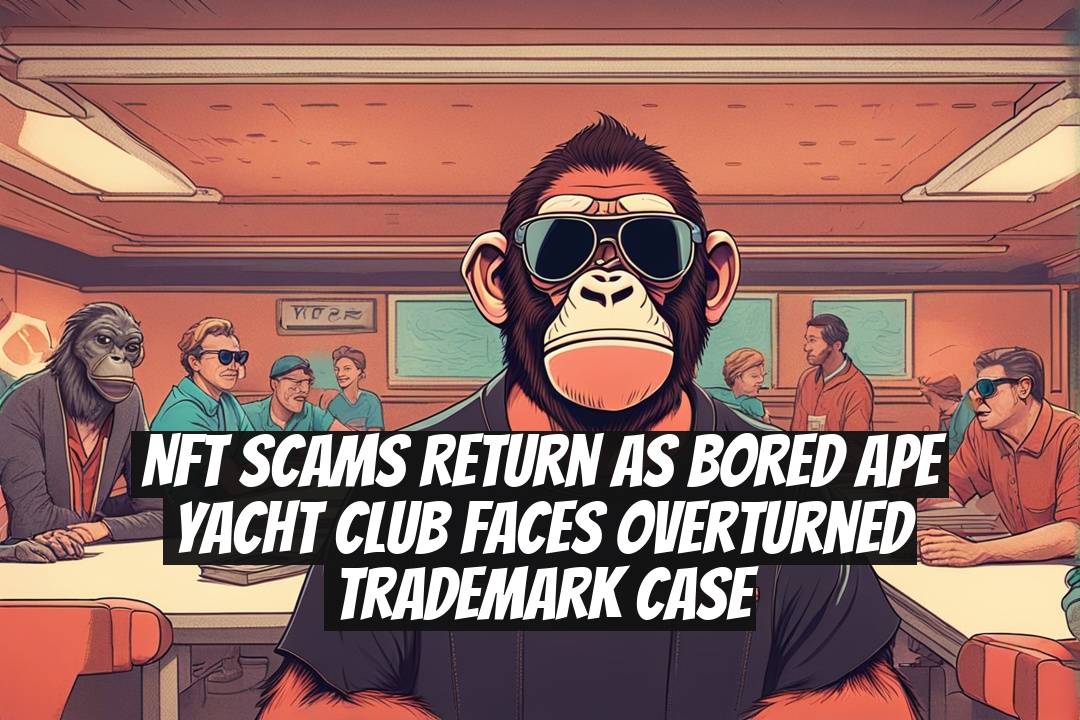
Are NFT Scams Back Because of Bored Ape Yacht Club’s Trademark Upset? Let’s Dive In
The world of NFTs has been buzzing - but not always for the right reasons. Recently, the Bored Ape Yacht Club (BAYC), one of the most iconic NFT collections, faced a major legal setback when a $9 million trademark judgment was overturned. This case has sent shockwaves across the crypto market, raising concerns about the re-emergence of NFT scams and the security of digital assets. So, what exactly happened in this trademark saga, and what does it mean for investors like you and me? Let’s unpack the drama, examine the risks of NFT scams, and explore how you can protect yourself in this often turbulent landscape.
Key Takeaways
- The U.S. Ninth Circuit Court overturned Yuga Labs’ $9 million trademark victory linked to BAYC due to insufficient proof of consumer confusion.
- The ruling confirmed that NFTs qualify as “goods” under U.S. trademark law, setting an important precedent.
- Legal uncertainty reignites risks of NFT scams and counterfeit projects leveraging popular brands like BAYC.
- Practical steps for investors include verifying the authenticity of NFTs, watching for trademark disputes, and conducting thorough research.
- This case is a wake-up call for the crypto community about the need for clearer regulations and heightened caution.
Subscribe to our Social Media for Exclusive Crypto News and Insights 24/7!
?️ BAYC and the Trademark Rollercoaster: What Went Down?
Back in 2025, Yuga Labs - the company behind BAYC - won a $9 million judgment against artist Ryder Ripps and Jeremy Cahen for creating a nearly identical NFT series called RR/BAYC. The original court decided Ripps’ project infringed upon BAYC’s trademark and caused consumer confusion[1][3]. But the victory was short-lived. The Ninth Circuit Court of Appeals recently overturned that ruling, sending the case back to the lower court for a full trial.
Why? The appeals court found that Yuga Labs failed to prove, beyond doubt, that buyers were likely confused by Ripps’ project. This is a cornerstone of trademark law - without real consumer confusion, infringement claims stumble. However, the court did affirm a groundbreaking principle: NFTs qualify as “goods” under the Lanham Act, meaning they can be trademarked just like physical products[1][2].
Put simply, while BAYC still holds brand rights, the path to enforcing those rights is complicated. Yuga Labs will have to present stronger evidence in court to win.
? NFT Scams on the Rise? What This Means for the Crypto Market

This legal bump in the road complicates not just BAYC’s story but the entire NFT market’s trustworthiness. Here’s why NFT scams might stage a comeback:
- Legal Uncertainty Creates Loopholes: When trademark enforcement is shaky, bad actors can imitate high-profile NFT projects without immediate legal consequences. Scammers may create knockoff NFTs mimicking BAYC’s style or name, misleading buyers into thinking they’re getting the real deal.
- Consumer Confusion Risk: The overturned judgment signals courts need concrete proof of buyer confusion. In fast-moving markets, confusion is common, but proving it legally is tough, giving scammers more breathing room.
- Brand Protection Becomes Tricky: NFT creators rely heavily on brand exclusivity to sustain value. If trademark rights are harder to protect, the value of original NFTs could decrease, shaking investor confidence.
- Market Volatility and Skepticism: Investors may feel nervous about backing NFT projects, fearing scams or copycats. This adds downward pressure on NFT prices and hampers the industry’s maturation.
From a crypto analyst’s perspective, these factors mean that caution is king. The excitement around NFTs hasn’t faded, but the ecosystem’s vulnerabilities, particularly in trademark and copyright law, are laid bare[1][3].
? How To Spot NFT Scams in the New Era of Legal Gray Areas
Navigating the NFT market post-BAYC trademark saga needs your full attention. Here are practical tips to steer clear of scams:
- Verify Authenticity: Always buy NFTs from official platforms or verified creators. Check whether the project holds confirmed trademark or copyright protections.
- Do a Brand Background Check: Search for ongoing legal disputes or trademark statuses linked to the NFT collections you’re interested in. Legal battles like BAYC’s can affect value and legitimacy.
- Look for Consumer Feedback: Investigate social media and community forums for scam alerts or unusual sales patterns tied to NFT projects. Real users often spot fakes early.
- Beware of Too-Good-To-Be-True Offers: Promises of rare, high-return NFTs at suspiciously low prices often signal fraud attempts. Trust your instincts!
- Use Reputable Marketplaces: Stick to well-known NFT exchanges that implement seller verification and anti-fraud protocols.
NFTs are exciting but require the savvy eye of an investor who isn’t dazzled by hype alone. The BAYC case reminds us that legal protections in crypto are evolving, and scammers exploit any gaps quickly[2][3].
? My Take: Will NFT Scams Bounce Back Stronger?

From my viewpoint, the BAYC ruling is a mixed bag - both a warning and an opportunity. It underscores that NFTs, despite their digital nature, inhabit a legal world still catching up with technology. This gap means scams could temporarily surge, especially involving projects imitating iconic collections like BAYC. But it also pressures the market to establish clearer norms and stronger brand defenses.
If you’re considering investing, don’t shy away from NFTs altogether. Instead, deepen your research, stay current with legal news, and think long-term about the projects you support. The NFT space will mature - but only for the cautious and informed.
And hey, if the courts can decide whether a pixelated ape is a “good” or not, I figure we humans can smartly decide where to put our money.
? Jump Into More NFT Insights:
NFT scams
Bored Ape Yacht Club trademark
crypto market analysis
Sources:
[1] https://www.mitrade.com/insights/news/live-news/article-3-986010-20250725
[2] https://www.ainvest.com/news/ninth-circuit-overturns-9m-nft-judgment-citing-consumer-confusion-affirms-nfts-trademark-goods-2507-49/
[3] https://fairuse.stanford.edu/case/yuga-labs-inc-v-ripps/
[4] https://ipwatchdog.com/2025/07/25/barks-egc-affirms-euipos-cancellation-iceland-mark-ptab-returns-person/id=190644/
So, considering these twists in the NFT legal landscape, how confident are you about the next NFT you decide to invest in? Are you ready to spot the scams before they spot you?