
? Crypto Companies and Political Influence: What’s at Stake?
Hello there! Grab a cuppa, and let’s dive into a topic that’s buzzing like a busy beehive in the crypto world: the intersection of cryptocurrency and political influence. You might be wondering: "What does all this fuss about political donations mean for the future of crypto?" Well, let me unpack that for you in a way that’s digestible and hopefully a bit enjoyable!
Key Takeaways:
- Industry players have pooled over $134 million into the 2024 U.S. elections to advocate for crypto-friendly regulations.
- This surge in political contributions raises critical questions about the blend of private capital with public policy.
- Such trends underscore challenges in maintaining transparent governance amid rapid technological advances.
Subscribe to our Social Media for Exclusive Crypto News and Insights 24/7!
According to a report by the Center for Political Accountability (CPA), the crypto industry is really stepping up its game in terms of political spending-more than $134 million is targeted at the 2024 U.S. elections! That’s a staggering amount, and it’s a move that’s rocking the boat among regulators, policy-makers, and-most importantly-investors. Why? Because with great money comes great responsibility (and potential conflict of interest)!
Fairshake PAC: The Power Players Behind Crypto Funding ?
A substantial chunk of this political cash is flowing through Fairshake, a political action committee (PAC) that’s essentially acting as the voice for major players like Coinbase and Ripple. Fairshake has reportedly shelled out over $40 million to cushion the campaigns of candidates who support (you guessed it) pro-crypto policies. While this sounds like a savvy business move, it raises eyebrows. The question for us is: is this advancing the cause of cryptocurrency, or just filling the wallets of the well-connected?
Further, some superstars from the tech world, including the likes of Elon Musk and Chris Larsen from Ripple, have also made hefty contributions, creating a financial web that’s both fascinating and a bit concerning. And here’s the kicker: much of this funding is funneled through obscure organizations, making it tricky to trace such political spending completely.
Now, before you roll your eyes and think, “Oh great, just another way for the rich to get richer,” hang on! There’s both a potential upside and a downside here as we march towards an era of digital assets that demand clarity in regulations.
️ Coinbase’s Bold Moves and the Insider Trading Debate ?
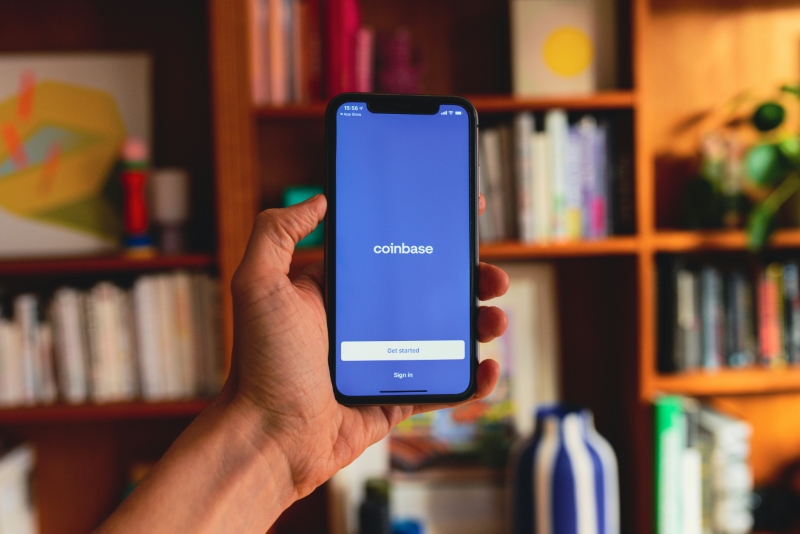
Speaking of major players, let’s chat about Coinbase, who isn’t just quietly watching from the sidelines. They recently announced a whopping $25 million contribution for the upcoming 2026 U.S. midterm elections. That’s a bold step that underscores their intent to shape the political landscape.
However, their participation doesn’t come without scrutiny. Recently, Coinbase faced the U.S. Securities and Exchange Commission (SEC) for operating as an unregistered securities exchange. That’s serious business! And it understandably raises the question-are these political contributions going to shield them from regulatory repercussions?
With rumors flying around about insider trading concerning elected officials and the large influx of crypto donations, you can sense the tension in the air. Who wouldn’t be uneasy about their investments in a space swarming with controversy and suspicion?
? Balancing Innovation with Ethical Governance ️

As this political spending escalates, there’s a critical debate brewing: Is the industry’s involvement in politics essential for innovation, or are we stepping into a terrain where corporate interests outweigh public welfare?
On one hand, there are voices in the industry assuring us that this spending isn’t just about filling coffers; it’s about advocating for regulations that can foster stability and growth. Anndy Lian, an intergovernmental blockchain advisor, argues this quite passionately. But on the flip side, there’s genuine concern that such financial muscle could compromise the integrity of our democratic processes.
Politicians are left walking a tightrope. Can they effectively craft policies that nurture innovation while keeping corporate influence in check? The upcoming elections might just be a pivotal moment determining whether cryptocurrency is embraced as a cornerstone of our economy or viewed as an irregular swirl of corporate interests invading public life.
Practical Tips to Navigate This Political Landscape:
- Stay Informed: Follow reputable news sources and expert analyses. Understanding the regulatory climate is crucial for any potential investment.
- Watch for Trends: Pay attention to which candidates are receiving crypto contributions, as this could inform you about future regulatory environments.
- Diversify Your Investments: The volatility that’s prevalent in the crypto world makes diversification essential. Spread your bets across different assets.
- Engage with the Community: Join forums or discussion groups. Engaging with other investors can provide insights that you might not find on your own.
Now here’s where I get personal-my gut feeling? The crypto space is fiercely innovative and has the potential to alter how we think about finance. But being tethered to political whims can be a double-edged sword. I mean, wouldn’t you feel nervous investing in a reserve currency whose fate relies on the ever-shifting political winds?
To wrap this up nicely: as you ponder your next steps in the cryptocurrency world, remember that understanding the political landscape is about more than just numbers; it’s about navigating a complex web of power, influence, and ethics.
So tell me, what do you reckon will be the long-term impact of this political spending on the crypto market? Are we looking at a new era of legislative clarity or at an impending corporate stranglehold over our democratic institutions?