What’s Really Going On with Crypto Reporting? ?
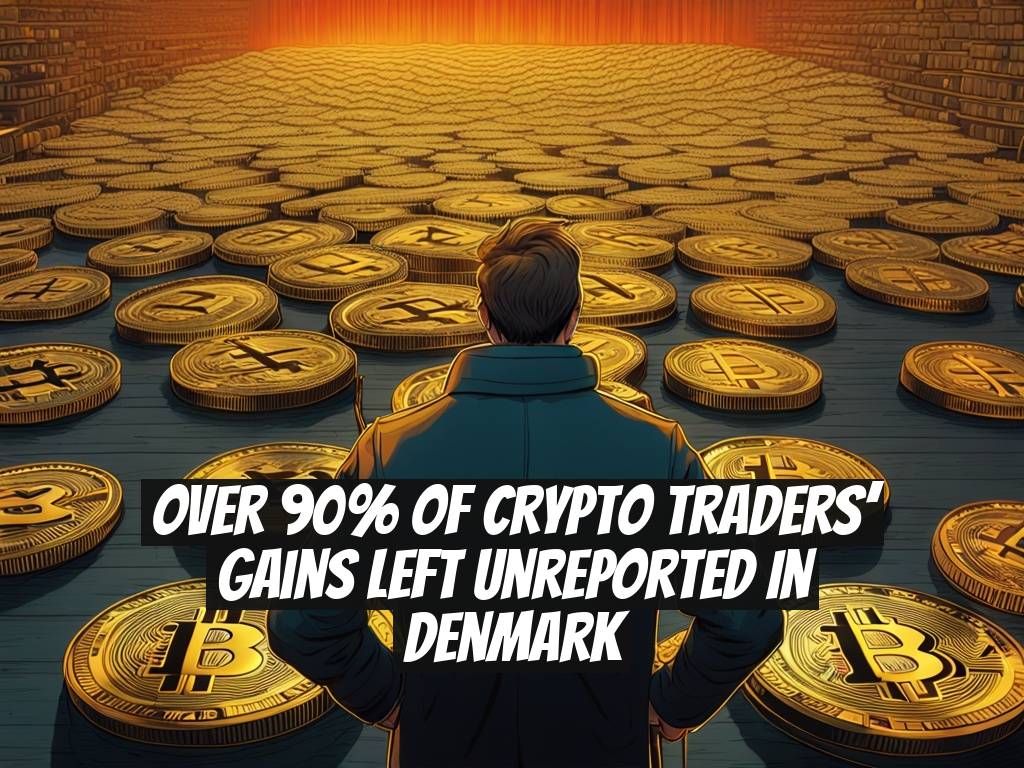
So, let’s have a real chinwag about the current state of the crypto market and what the latest findings from Denmark mean for us all. With crypto becoming more mainstream by the day, it’s vital we keep our eyes peeled on the numbers. A recent study showed that an eye-popping 90% of crypto traders in Denmark failed to report their gains or losses. Yeap, you heard that right! This suggests not only a serious lack of compliance but also could reveal a broader trend that resonates globally, affecting many markets, including ours in the UK.
Key Takeaways:
- A staggering 90% of Danish crypto traders dodged tax reporting in 2021.
- Many have shifted their trading to foreign exchanges to evade local tax laws.
- These findings reflect a global pattern where tax compliance in crypto trading is alarmingly low.
- New global reporting standards are on the horizon, starting in 2026.
- The future of crypto taxation may hinge on international cooperation.
Subscribe to our Social Media for Exclusive Crypto News and Insights 24/7!
Now, I imagine you’re sitting there, thinking, "90%? That’s mental!" And you wouldn’t be wrong. Anyway, here’s the skinny: the study conducted by Hjalte Fejerskov Boas and Mona Barake, which combined trading data with tax filings, shows that the issue isn’t confined to just a few wealthy traders, either. It cuts across income brackets, meaning crypto tax evasion is somewhat of a level playing field.
The Great Migration ?

What’s even wilder is that many traders have packed their metaphorical bags and jetted off to foreign exchanges, quicker than you can say “blockchain." There’s clear evidence showing a migration pattern from domestic to overseas platforms immediately after Denmark’s reporting rules kicked in. It’s like an Oliver Twist story but with a murkier twist-when it comes to reporting, these traders just don’t want to play fair.
But it’s not just Denmark. Other countries are seeing similar trends. For example, a Norwegian study estimated that around 88% of their crypto traders skipped reporting gains this year. Over in the good ol’ US of A, fewer than 1% of taxpayers fessed up to crypto profits back in 2020! Pretty mind-boggling stuff, isn’t it?
New Rules Coming Down the Pipe ?
You might be wondering, "Surely, the authorities will do something, right?" Well, you’re spot on! Policymakers are getting their heads together to create coordinated global reporting standards. Starting in 2026, the OECD and the EU’s DAC8 will require crypto platforms worldwide to share transaction data with tax authorities. It’s about time they got their ducks in a row, if you ask me.
However, skepticism abounds-effective enforcement hinges on global cooperation. If some jurisdictions continue to be noncooperative, that could throw a spanner in the works. Not to mention the rise of decentralized trading, which makes it all too easy to slip through the cracks.
What This Means for You ?
So, how do we, as potential investors, play our cards now? Here are a few practical tips:
- Educate Yourself: Get familiar with your local laws regarding crypto taxes. Ignorance isn’t an excuse if the tax man comes knocking!
- Keep Records: Track your trades meticulously. It might feel tedious, but it will save you a headache down the line.
- Consider Exchanges: Opt for regulated exchanges that are complying with local tax requirements. It may seem a bit bureaucratic, but it’s safer in the long run.
- Stay Updated: The regulatory landscape is shifting rapidly. Keeping up with news will help you stay one step ahead and prepare for upcoming changes.
A Personal Insight…
Honestly, I can’t stress enough how important it is to start thinking about tax compliance in crypto. We’re at a pivotal moment in history where the way we handle finances is transforming. As the old saying goes, “you can’t hide from the tax man!” Plans for stricter regulations are looming, and this is not just a temporary panic. If you’re in the market, you need to keep your checkbook and your conscience in check!
A Thought to Ponder ?
Given all this noise about tax evasion and regulatory changes, how do you view the future of crypto trading? Is it going to be a game of cat-and-mouse with the authorities, or can we find a way to coexist in this thrilling, albeit complex, digital landscape?
Your thoughts?