Could a Friendship Forged in Bitcoin Reshape Financial Futures?
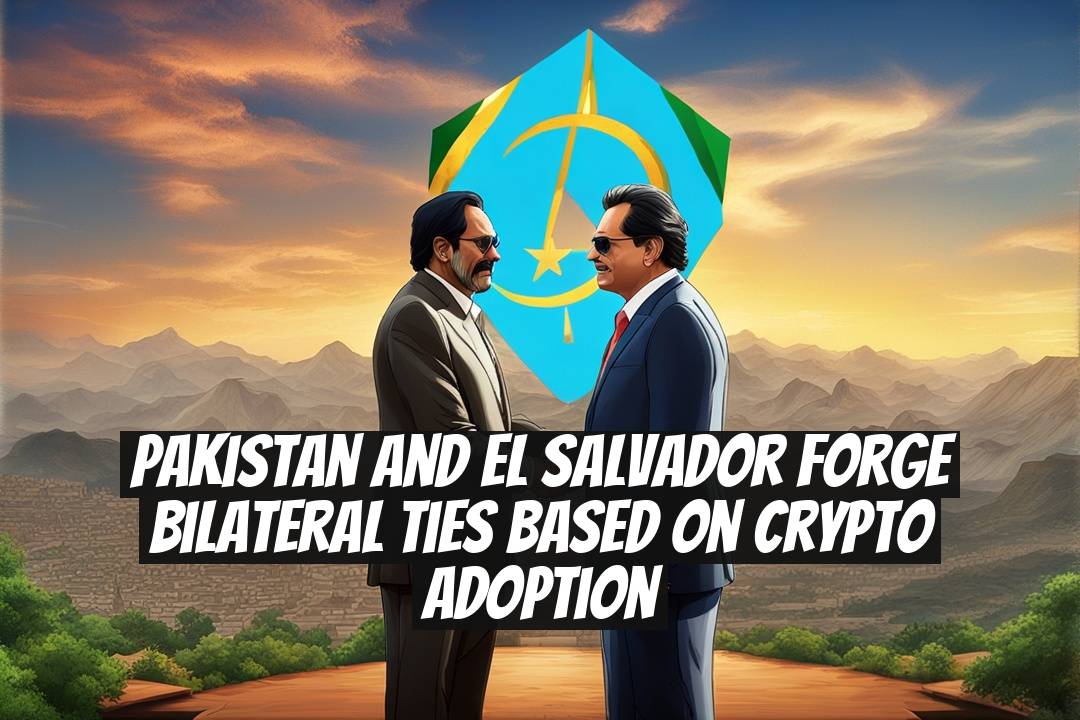
If you had told me a year ago that Pakistan and El Salvador would team up over cryptocurrencies, I might have raised an eyebrow. But here we are, witnessing a fascinating partnership that’s shaking the foundations of the crypto market and signaling a bold step toward financial innovation on a global scale. The recent signing of a Letter of Intent (LoI) between Pakistan and El Salvador to collaborate on Bitcoin and digital assets is more than a symbolic handshake; it’s a clear declaration of their shared vision for a decentralized financial future, where crypto isn’t just an investment game but a tool for economic empowerment. Let’s unpack what this means for the crypto space, why it matters to investors, and how this partnership could change the rules of the game.
? Key Takeaways: Pakistan and El Salvador and Crypto Collaboration
- Pakistan and El Salvador have officially signed a Letter of Intent to cooperate on Bitcoin and digital assets, marking a significant milestone in international crypto relations.
- The partnership is dubbed ‘Biplomacy’ - a fusion of Bitcoin and diplomacy, highlighting decentralized technology’s growing role in global affairs.
- El Salvador was the first country to adopt Bitcoin as legal tender, and its Bitcoin reserves have nearly tripled in value, now exceeding $760 million.
- The collaboration focuses on public sector adoption, blockchain-based financial inclusion, and tailored policy development for emerging economies.
- Pakistan aims to leverage El Salvador’s experience as it ramps up its own crypto regulatory structure, including plans for a strategic Bitcoin reserve.
Subscribe to our Social Media for Exclusive Crypto News and Insights 24/7!
? "Biplomacy" - When Bitcoin Meets Diplomacy
The term ‘Biplomacy,’ creatively blending Bitcoin and diplomacy, is what analysts are calling this alliance between Pakistan and El Salvador. This isn’t just a technical collaboration; it’s a political statement signalling an era where cryptocurrencies become instruments of statecraft. Bilal Bin Saqib, Pakistan’s Minister of State for Crypto and Blockchain, and Salvadoran President Nayib Bukele, the man behind El Salvador’s pioneering Bitcoin adoption, met in San Salvador to seal the deal. Saqib, who also heads the Pakistan Crypto Council, mentioned the mutual enthusiasm to share knowledge and co-develop frameworks that will potentially accelerate the adoption of Bitcoin not just as an asset class but as a driver for economic sovereignty and financial inclusion in their countries[1][2][3].
? What This Means for the Crypto Market

This partnership is a clarion call for crypto investors worldwide. El Salvador’s gamble on Bitcoin has already paid off handsomely, with the nation’s Bitcoin holdings soaring above $760 million after Bitcoin’s price surged past $123,000 recently. The average Bitcoin buy price was around $42,000, which means the government has almost tripled its investment value-a strong testament to strategic crypto accumulation[1][2].
Pakistan’s interest, beyond curiosity, signals that emerging markets see crypto not only as a speculative tool but as a solution for financial access and economic growth. The collaboration means more public sector adoption of cryptocurrencies, perhaps heralding further acceptance and normalization of Bitcoin usage in governmental transactions and social welfare programs. This could encourage other countries to consider similar paths, potentially fueling demand and liquidity in the crypto markets.
? Blockchain and Financial Inclusion - A Win-Win for Emerging Economies

The cornerstone of this collaboration is more than just Bitcoin hoarding. It’s about harnessing blockchain for financial inclusion. In many emerging economies like Pakistan and El Salvador, large portions of the population lack access to traditional banking services. Bitcoin and blockchain technology can bridge this gap by offering alternatives to conventional financial infrastructure. By sharing their experiences, these countries aim to tailor blockchain solutions that fit their unique socio-economic realities[4].
This means:
- Reducing reliance on cash and enabling secure, transparent transactions.
- Facilitating remittances with reduced costs and times.
- Offering secure identity and credit-building tools via blockchain.
- Enabling innovative public welfare and subsidy delivery methods.
For investors, this means expanding the total addressable market for crypto technologies beyond purely speculative use cases, fostering wider adoption and ecosystem growth.
? Practical Tips for Investors Watching Pakistan-El Salvador Crypto Moves

- Monitor regulatory developments in Pakistan: With Pakistan establishing the Pakistan Virtual Assets Regulatory Authority (PVARA), investors should keep an eye on new policies that could impact crypto trading and institutional adoption.
- Watch El Salvador’s Bitcoin reserves and economic reports: El Salvador’s model serves as a real-world case study for crypto as legal tender. Tracking their economic outcomes can offer insights into crypto’s feasibility as a national strategy.
- Explore investment opportunities in emerging market crypto projects: This partnership indicates that innovation hubs may grow in places like Pakistan and El Salvador, creating new startups and blockchain infrastructure deployment ripe for early investment.
- Stay informed about ‘Biplomacy’ collaborations as this emerging practice could introduce cross-border crypto partnerships with geopolitical impacts.
? My Personal Take: The Dawn of a Decentralized Diplomatic Era
As a crypto analyst who’s spent years watching markets oscillate wildly, what excites me most about this Pakistan-El Salvador alliance is the pragmatic approach to crypto adoption. It’s not just hype; it’s strategic statecraft. El Salvador blazing the trail, with Pakistan now stepping up, suggests a new chapter where countries no longer fear Bitcoin but see it as a tool of empowerment and sovereignty. This could accelerate global acceptance and potentially reduce volatility as crypto becomes more intertwined with state economies and international diplomacy.
Of course, challenges remain-regulatory uncertainties, technical hurdles, and public education are enormous tasks. But the enthusiasm from both governments, backed by clear financial incentives and increasing public sector engagement, feels like a genuine turning point.
? Where Do We Go From Here?
The Pakistan-El Salvador partnership is more than an alliance; it’s a signal flare for the potential of cryptocurrency to reshape economic landscapes and international relations. Will this model inspire more ‘Biplomacy’ efforts globally? How might the traditional financial world respond when governments actively champion decentralized digital assets? And importantly, what opportunities will this open for you, the investor, who’s looking to ride the next wave of innovation?
Explore more about Pakistan and El Salvador’s crypto partnership:
Pakistan and El Salvador crypto partnership
Bitcoin adoption in emerging markets
Sources:
[1] https://profit.pakistantoday.com.pk/2025/07/17/pakistan-el-salvador-sign-partnership-on-bitcoin-and-digital-assets/ [2] https://www.thenews.com.pk/print/1328915-pakistan-el-salvador-forge-crypto-ties-in-biplomacy-visit [3] https://www.geo.tv/latest/614389-biplomacy-pakistan-el-salvador-establish-crypto-ties [4] https://www.arabnews.com/node/2608365/pakistan