U.S. Establishes a Sovereign Wealth Fund to Enhance Economic Power ?
Recent revelations indicate that a new initiative is underway aimed at bolstering the United States’ economic stature through the establishment of a sovereign wealth fund. This ambitious move could potentially reshape how America engages in global financial markets. President Donald Trump took a significant step in this direction by signing an executive order that commands the U.S. Treasury and Commerce Departments to initiate the formation of this fund. With this year marking the beginning of this strategic endeavor, the implications are vast.
Strategic Initiative for Economic Growth ?
During an announcement in the Oval Office, President Trump expressed optimism regarding the potential benefits of the sovereign wealth fund. He stated, “We have huge potential,” and made it clear this initiative would be spearheaded by Treasury Secretary Scott Bessent and Commerce Secretary nominee Howard Lutnick. Bessent stressed the urgency, labeling the establishment of the fund as a matter of “great strategic importance,” emphasizing that this will happen within the upcoming 12 months.
Subscribe to our Social Media for Exclusive Crypto News and Insights 24/7!
A New Player on the Global Stage ?

The vision behind the sovereign wealth fund is to create a robust government-controlled investment archive, which could elevate the U.S. to a position comparable to that of existing global fund giants such as Norway and Saudi Arabia. This initiative has ignited discussions regarding various aspects of the fund, including:
- Financing: How will the fund secure its capital?
- Management: Who will oversee the fund’s operations?
- Investment Strategies: What types of assets will the fund focus on, especially in light of the current national debt?
This plan signals a significant move aimed at augmenting U.S. economic leverage, both on domestic fronts and internationally. The global financial landscape may take notice as the U.S. steps into this arena with considerable ambition.
Potential Acquisition of TikTok ?
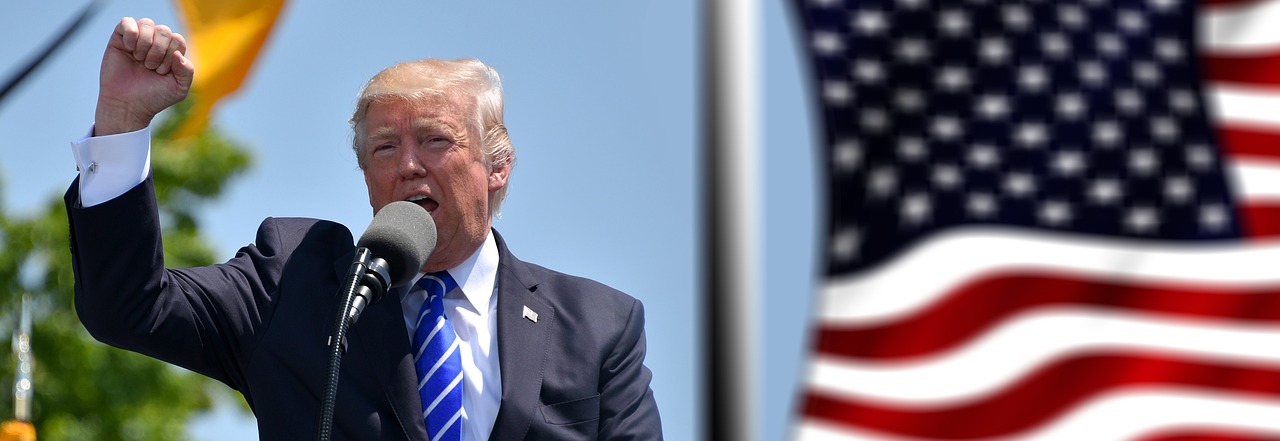
President Trump has hinted that the newly established fund could potentially be utilized to procure TikTok, a popular social media platform with around 170 million users in the U.S. TikTok found itself in legal limbo prior to January 19, when a law required its Chinese parent company, ByteDance, to either divest the application or face a ban. Following his inauguration, Trump postponed the enforcement of this law for 75 days through an executive order. Currently, he claims to be in discussions with various purchasers and anticipates announcing TikTok’s future by February.
Understanding Sovereign Wealth Funds (SWF) ?
A Sovereign Wealth Fund (SWF) is a government-owned investment pool composed of diverse assets, including stocks, bonds, real estate, and varying financial instruments. Such funds are generally established by nations to achieve specific economic objectives. They are typically financed through:
- Budget surpluses
- Foreign currency transactions
- Privatizations
- Government transfers
- Revenue from resource exports
The fundamental purpose of these funds is to bolster economic resilience and stability, offering countries a strategic advantage in financial markets.
The Asset Landscape and Digital Currencies ?
While the specifics of the fund’s investment strategy remain unclear, questions loom regarding the inclusion of cryptocurrencies like Bitcoin (BTC) and other digital assets. The integration of digital currencies into the sovereign wealth fund could mark a pivotal shift in the traditional financial landscape, offering a modern avenue for diversification and potential growth.
Hot Take: Navigating New Territory ?
As the U.S. moves toward establishing a sovereign wealth fund, the reverberations of this development could be felt both domestically and globally. The implications of investing in various asset classes, including potential digital currencies, suggest that this year could be transformative for the economic landscape. Observing how this initiative unfolds will be crucial as it could alter the perception and role of government-controlled investments in an ever-evolving financial ecosystem.