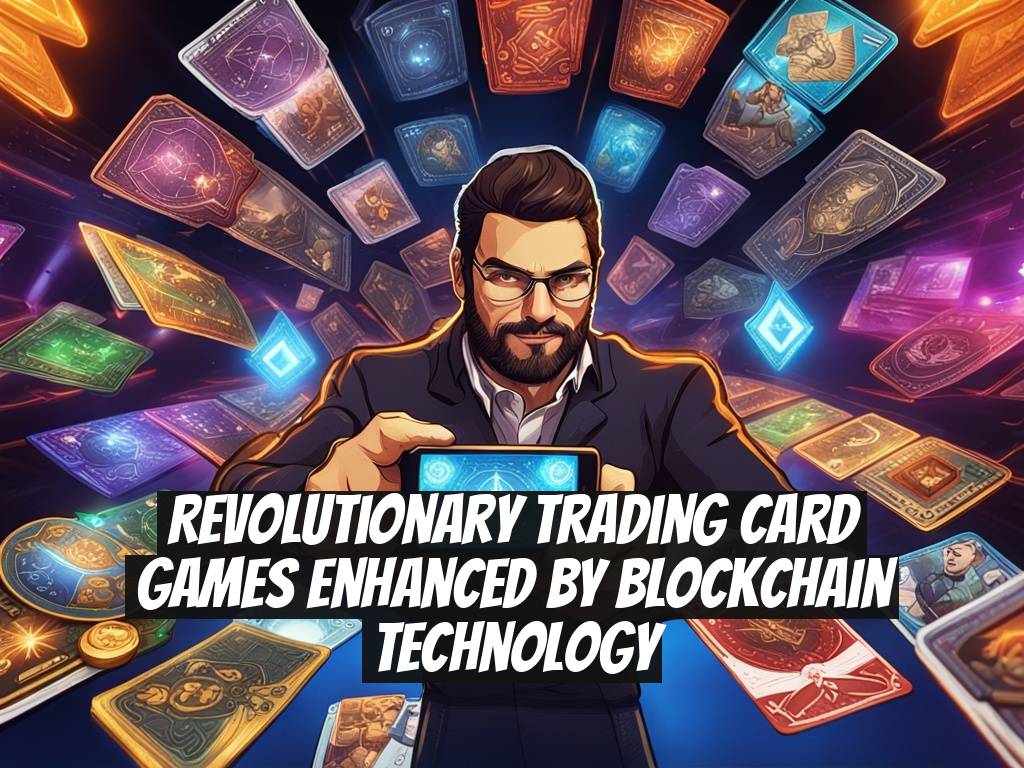
Is the Future of Trading Card Games on the Blockchain? ?
Hey there! Let’s dive into something that’s really shaking things up in the world of trading card games-the marriage of gaming and blockchain tech. Grab a seat, maybe a cuppa, and let’s explore what this means for investors and enthusiasts alike!
Key Takeaways:
- Parasol is transforming trading card games by integrating blockchain via the Sui platform.
- Players get verifiable rarity and ownership through NFTs.
- Upcoming titles like Capybara Fusion and refreshed Code of Joker: Evolutions are set to captivate audiences.
- Developers are equipped with tools for easy blockchain integration, making game design more accessible.
- Sui’s rapid transactions and user-friendly onboarding are key differentiators.
- Strong expansion plans in Asia signal a growing market opportunity.
Subscribe to our Social Media for Exclusive Crypto News and Insights 24/7!
Now, you might be wondering, “What’s so special about this?” Well, sit tight-I’m about to spill the tea!
Bringing Blockchain to the Trading Card Realm ?
Trading card games (TCGs) have always sparked joy-think Pokémon and Yu-Gi-Oh!, right? But the physical limitations can sometimes leave collectors and players feeling a bit, well, restricted. Enter Parasol, a subsidiary of Mysten Labs, making waves by integrating blockchain into the mix! This isn’t just a buzzword; it means players can now have verifiable ownership of their cards as NFTs (non-fungible tokens). Imagine owning a rare card, and not just in name but with digital proof. Talk about taking pride in your collection, eh?
Revamping Code of Joker for the Digital Age ?

Now, let’s chat about the Code of Joker: Evolutions. Remember when Sega rocked the digital trading card scene back in 2013? Well, Parasol’s got their hands on it now, and they’re bringing it onto the Sui platform with a fresh spin. This upgrade means enhanced player interactivity and ownership dynamics. Oh, and it’s free-to-play! With monetization through trading cards, it hits a sweet spot for gamers who want to dive in without breaking the bank.
Empowering Developers with Sui ?

Here’s where it gets particularly exciting. Parasol isn’t just about games; they recognize the talent in developers too. The tools they’re rolling out allow developers to easily incorporate NFTs into their projects with a no-code-needed approach. Think about it-how many talented folks out there want to create but are daunted by tech? This initiative opens up a whole new world of creativity! Their cooperative game, Capybara Fusion, is not only fun but fully open-source, which means a whole community can join in and build on it. Truly an ecosystem designed for growth!
Why Sui Stands Out ️

Alright, let’s cut to the chase: why Sui? According to insights from Kai Chen, a former head honcho at Parasol now with Mysten, its speedy transaction capabilities and clean object model set it apart. Lower costs and high performance aren’t just business jargon; it translates to smoother gaming experiences for players. Plus, the inclusion of zkLogin-essentially making it easier for newbies to hop aboard without wallet stress-should broaden the player base significantly. Why not welcome a new world of gamers into our crypto bubble?
Future Prospects ?
Looking ahead, Parasol has grand plans, especially in regions like Asia where TCGs have a huge following. Imagine the fusion of beloved IPs with this tech! Collaborating with Japanese studios could potentially catapult them to global prominence. This upcoming mix not only taps into existing fanbases but also introduces blockchain’s revolutionary aspects to new audiences.
Wrapping It Up
So, what does all this mean for you, as a potential investor? Well, the gaming industry keeps evolving, and the incorporation of blockchain hints at a future where digital ownership isn’t just a fad but a norm. TCGs have a dedicated audience; they’re not just games but cultural phenomena. If you’re looking to kick the tires on crypto investments, keeping an eye on Parasol and its offerings could be a wise move.
In a world that seems increasingly digital, questions linger: Are we ready to embrace this new era of digital collectibles, or will we cling to our physical cards? Let’s ponder that as the future unfolds!