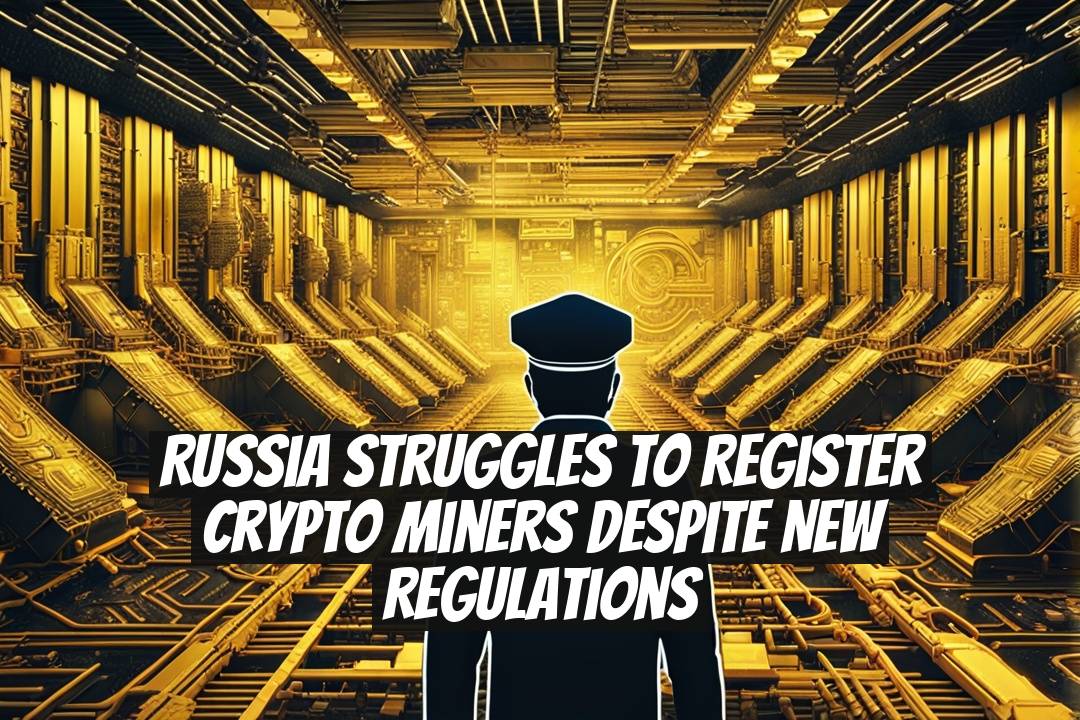
Have you ever wondered what happens when an entire nation’s crypto miners refuse to come out of the shadows despite new laws demanding transparency? That’s exactly the puzzle Russia is wrestling with right now. In the wake of fresh regulations aimed at legitimizing crypto mining, a staggering 70% of Russia’s crypto miners remain unregistered, creating ripples across the crypto market. What does this mean for investors, the crypto ecosystem, and Russia’s future in the digital gold rush? Let’s dive deep into the Russian crypto mining saga, unpack the challenges, and explore what lies ahead.
Key Takeaways 
- Only 30% of Russia’s crypto miners have officially registered since new mining laws came into effect in late 2024.
- 70% of miners continue to operate illegally, evading tax authorities and regulations.
- The government is contemplating harsher penalties, with fines potentially increasing from 200,000 rubles to 2 million rubles (~$25,500) for illegal mining.
- Energy-related bans in some regions complicate operations and enforcement.
- Russia’s struggle to regulate mining impacts both domestic crypto market stability and international perceptions.
Russia’s Regulatory Puzzle: ? Why 70% of Crypto Miners Stay Hidden
Subscribe to our Social Media for Exclusive Crypto News and Insights 24/7!
Back in late 2024, Russia took a bold step: it enacted detailed crypto mining legislation defining the industry and compelling miners to register with the Federal Tax Service. This move was supposed to bring transparency and legal oversight to what had long been a wild frontier in Russia’s economy. However, as Finance Ministry official Ivan Chebeskov revealed, only about 30% of miners complied so far, leaving the vast majority - a hefty 70% - hidden from official view[1][2].
Why such resistance? The reasons are a mixed bag:
- Financial Burden: Registration means exposure to taxes and operating costs that weren’t accounted for in underground operations.
- Fear of Enforcement: Stricter government scrutiny can lead to shutdowns or penalties, discouraging transparency.
- Energy Costs and Restrictions: Given Russia’s energy woes and bans on mining in certain regions until 2031, miners often prefer to fly under the radar to avoid increased electricity costs or outright bans.
- Operational Privacy: Many miners view the crypto space as a domain valuing decentralization and privacy; government mandates clash with these ideals.
Chebeskov admitted the registration campaign is “still far from complete,” signaling ongoing efforts to enforce compliance[1]. But with such a low registration uptake, it feels a bit like trying to herd cats, doesn’t it?
Crypto Mining Compliance: The STATE of Russia’s Industry ️
The sector’s reluctance to comply sends mixed signals for the crypto market. On one hand, official registries help investors and regulators track legitimate operations, contributing to market stability and trust. On the other hand, a large shadow economy of unregistered miners makes regulatory enforcement tricky and raises questions about illegal electricity use and cybersecurity risks.
A very practical example of enforcement is already underway: authorities recently shut down an underground mining operation in the Rostov region, seizing 13 mining devices and opening a criminal investigation[5]. This demonstrates Russia isn’t bluffing when it comes to cracking down on non-compliant miners. Still, enforcement is costly and time-consuming, so many miners weigh risks against potential rewards and choose to stay hidden.
What It Means For The Crypto Market ??
From a crypto analyst’s viewpoint, this tussle between regulation and evasion in Russia has multifaceted impacts:
- Market Transparency and Trust: The predominance of unregistered miners complicates attempts to gauge the true scale of mining activity in Russia, hampering assessments of hash rate contributions and network security relevance.
- Energy Concerns & Operational Risks: Russia’s energy restrictions on crypto mining regions indicate government worries about resource strain. For miners, this could mean intermittent shutdowns or difficulties securing affordable electricity, adding operational uncertainty.
- Regulatory Sentiment: Russia’s struggle to enforce mining regulations reflects broader global challenges with crypto regulation. Investors need to watch such developments closely since regulatory clarity fosters institutional trust and market growth.
- Price and Hashrate Volatility: If punitive measures intensify, we could see miners either shutting down or relocating, causing notable changes in mining power distribution and potentially affecting cryptocurrency prices indirectly.
- Opportunities for Compliance-Minded Entities: For the 30% who registered early, this could be a chance to shine-gaining the government’s trust and operating with legal protections unavailable to underground peers.
From a Friendly Analyst to You: Practical Tips for Navigating This Landscape ??
If you’re thinking about investing or operating in Russia’s crypto mining space, here are some nuggets to keep in mind:
- Stay Informed on Regulations: Keep an eye on Russia’s legislative updates. Proposed fines may jump tenfold, which changes the risk landscape significantly.
- Consider Energy Costs and Regional Policies: Mining regions are under restrictions; understanding these will help you avoid operational surprises.
- Weigh Legal vs. Illicit Operations: Although underground operations may offer short-term profit, legal miners avoid risks of confiscation and fines, crucial for long-term stability.
- Explore Partnerships With Registered Entities: Collaborating with compliant miners or entities can facilitate smoother market access and credibility.
- Monitor Enforcement Trends: With police cracking down on illegal farms, staying compliant is the safer strategy.
Personal Insights ???

From a personal perspective, Russia’s mining registration struggle highlights a classic case of regulatory growing pains in a fast-evolving industry. The government clearly sees the value in regulating crypto mining-not only to legitimize the sector but also to secure energy resources and tax revenues.
Yet, forcing miners to register in a country where energy is tightly controlled and crypto remains somewhat controversial creates a tangled web of incentives and deterrents. The miners’ reluctance is understandable; after all, it’s a balance between risk and reward.
For investors, this scenario underscores the volatility that regulatory uncertainty injects into the crypto space. Smart moves now involve close monitoring, prioritizing compliance, and preparing for a landscape where governments may increasingly tighten rules to harness or control crypto power. The broader message? Crypto mining is no longer just a tech game-it’s a geopolitical and regulatory chessboard.
So, does Russia’s struggle to register crypto miners signal a broader global trend of crypto regulation clashes, or is it a uniquely Russian challenge driven by energy politics and legal uncertainties? As investors and crypto enthusiasts, where do you place your bet in this evolving story?
Key Phrases for Further Exploration:
- Russia struggles to register crypto miners
- Crypto mining regulations Russia
- Russia crypto mining compliance
Sources
[1] https://cointelegraph.com/news/only-30-percent-russian-crypto-miners-legal-finance-ministry[2] https://cryptobriefing.com/crypto-mining-compliance-russia/
[3] https://bitbo.io/news/russia-bitcoin-miner-registration/
[4] https://bitcoinist.com/in-the-shadows-two-thirds-of-crypto-miners-still-unregistered-in-russia/
[5] https://www.ainvest.com/news/russia-crypto-mining-regulations-face-70-compliance-2506/