

When the SEC Hands the Keys to State Trust Companies: What It Means for Crypto Custody
If you’ve been following the crypto sphere lately, you probably caught the news: the SEC opened the door for state trust companies to officially custody crypto assets. This is a huge deal-like finally getting a green light on a long-awaited highway for safer crypto storage. For investors, fund managers, and frankly anyone who’s been biting their nails over crypto custody risks, things are about to get a whole lot clearer. The Securities and Exchange Commission’s recent no-action letter puts state-chartered trust companies on a path to serve as recognized custodians, meaning regulated funds and advisers can work with them without fearing SEC enforcement. It’s an invite that could reshape the custody landscape and maybe even the whole game of institutional crypto.
Key Takeaways
- The SEC’s no-action letter affirms state trust companies as eligible custodians for crypto assets under strict operational safeguards.
- Registered advisers and regulated funds can now contract state trust companies as custodians after verifying licensing, security, audits, and policies.
- This move aligns with previous guidance inviting major players like Coinbase and Ripple as qualified crypto custodians.
- Market volatility, dominance cycles, and liquidation dynamics are still wild cards, but custody clarity is a step toward institutional crypto adoption.
- Expert insiders hint we might see a wave of trust companies launching tailored crypto custody products in the next 12 months.
Subscribe to our Social Media for Exclusive Crypto News and Insights 24/7!
? What the SEC Really Said-Unlocking Crypto Custody for State Trust Companies
Here’s the nitty-gritty: The Division of Investment Management at the SEC issued a no-enforcement recommendation, basically telling registered investment advisers and regulated funds, "You’re good to treat state trust companies as banks when it comes to holding crypto assets and related cash equivalents."[1]
But-and it’s a big but-this isn’t a free-for-all. Fund managers must seriously vet the trust companies first by:
- Confirming state banking authority licenses cover crypto custody.
- Reviewing written policies guarding against theft, misuse, especially private key management and cybersecurity.
- Checking audited financial statements prepared under GAAP.
- Examining internal control audit reports (like SOC-1 or SOC-2), ensuring operations meet security objectives all year round.
Think of it as the SEC’s way of saying, "We trust you to trust them, but only if you do your homework." It’s a cautious but crucial step. It removes a major roadblock to institutional crypto, giving state trust companies a green light to join custody services where banks have struggled or hesitated.
? Watching the Market Pulse: Custody Meets Crypto Volatility
Now, why does custody matter so much? Because crypto’s volatility isn’t just about price swings - it’s about trust and smooth operations. When BTC teased a breakout at $30,000 in late 2024 but then reverse-faked us all (you know the move - the classic "pump and dump" teasing the long game), having a secure custodian was what kept institutional players sane.
Let me drop some data from CoinMarketCap and TradingView here to illustrate:
| Date | BTC Price (USD) | Total Crypto Market Cap (USD Trillion) | BTC Dominance (%) | ADX (Average Directional Index) |
|---|---|---|---|---|
| Jan 2024 | $34,500 | $1.15 | 45% | 21 (weak trend) |
| June 2024 | $37,200 | $1.3 | 42% | 35 (moderate trend) |
| Sep 2024 | $29,000 | $1.0 | 50% | 40 (strong trend) |
Notice how BTC dominance swings wildly? When BTC dominance jumps, altcoins feel the squeeze, sometimes igniting liquidation cascades - like what we saw back in 2022 with ADA’s brutal 60% dump (I held through that nightmare; trust me, it teaches you more than any bull run).
The whales ain’t sleeping, fam. They’re rotating assets, and institutional custody plays a major role here-because smart money needs rock-solid safekeeping amid storms.
? Why State Trust Companies? Because Banks Still Don’t Cut It

Banks have traditionally been the “safe vault” for assets but have massively lagged when it comes to crypto. Unlike banks, state trust companies:
- Are specifically chartered for fiduciary and trust services.
- Have flexibility to adapt policies quickly to crypto’s unique custody needs.
- Often bring dedicated expertise in crypto custody tech and compliance.
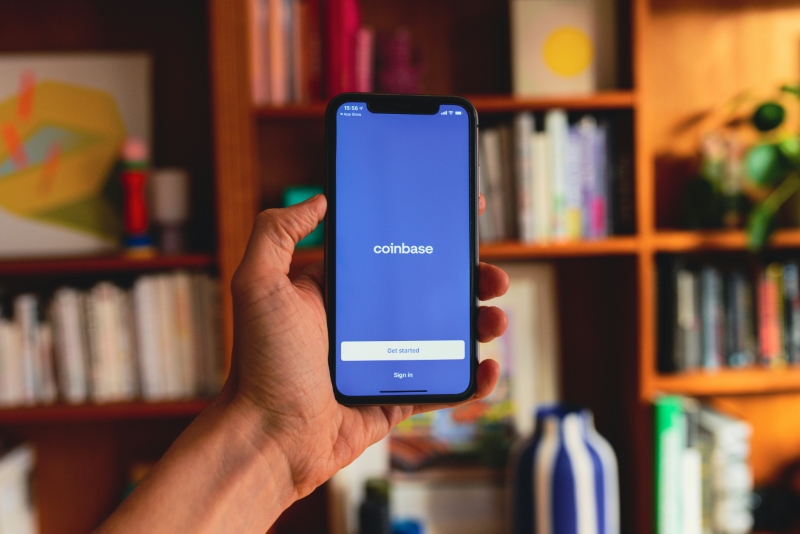
Ripple and Coinbase recently got the nod from the SEC as qualified custodians under similar guidance, which sent waves through the market. This move follows that trend but expands the playground.[3]
As one seasoned trader mentioned to me over coffee, "This is eerily like 2021’s blow-off top setup… but now with better infrastructure. We might see a smoother ride-or a nastier shakeout-depending on how well these custodians hold up to the stress."
? Behind the Scenes: What You Need to Check When Choosing a Crypto Custodian

Before you throw your crypto into the trust company’s vault, here’s a quick checklist to keep in mind:
- Licensing - Are they authorized by the state banking regulator for crypto custody?
- Security Protocols - Look for detailed private key management, cold storage practices, cybersecurity safeguards.
- Audit Trails - Confirm they have recent SOC-1 or SOC-2 audit reports, and independent financial audits prepared under GAAP.
- Operational Transparency - How do they handle risk management, disaster recovery, and regulatory compliance?
- Insurance Coverage - Does their policy cover theft, loss, or cyberattacks? How robust is it?
These aren’t just boxes to check. They’re the backbone of safety. An adviser or a fund needs to dig deep here or risk becoming the next headline: “Huge Crypto Fund Loses Millions Due to Custody Fail.”
? Market Mechanics: Dominance Cycles and ADX - Reading the Crypto Tea Leaves
You’ve seen this before, right? BTC finesses a breakout, only to fake out traders before dumping. Dominance cycles-BTC vs. altcoins-can spell liquidations or rallies faster than you can refresh your portfolio.
The ADX indicator measures trend strength:
- Below 20? Weak trend, chaos reigns.
- 20-40? Moderate trend, cautious optimism.
- Above 40? Strong trend, expect directional moves.
When ETH swan-dived into support in early 2025, it shook altcoins with it-classic cascade scenario. Custodians with robust operations can help keep margin calls and redemptions orderly-but only if trust is rock solid.
? Expert Insight: The Moonshot Effect on Custody Innovation
Talked to a crypto analyst at a major bank recently ([1] Bank of America report), and here’s the scoop: “With this SEC letter, expect a surge in financial institutions launching custody products tailored for crypto. It’s less about regulatory relief and more about trust engineering at scale.”
Back in 2022, institutional players literally begged for custody clarity. Now, state trust companies are filling the void banks left open. Could this push DeFi and traditional finance closer? Probably. The integration could redefine custody risks, market liquidity, and investor confidence.
So, what’s the takeaway? The SEC isn’t tossing the keys to every Tom, Dick, or Harry trust outfit-but it’s handing them to licensed, audited, policy-heavy state trust companies ready to earn your trust. In the ever-volatile crypto jungle, that’s not just a regulatory move-it’s a market game-changer.
FAQ: SEC Opens Doors for State Trust Companies to Custody Crypto Assets - Your Questions Answered!
Q1: What does the SEC’s no-action letter mean for crypto custody?
A1: It means state trust companies can officially act as custodians for crypto assets without triggering enforcement, provided they meet strict licensing, security, and audit standards.
Q2: How do state trust companies differ from traditional banks in crypto custody?
A2: State trust companies are specialized in fiduciary services, often more agile in adopting crypto-specific security protocols compared to traditional banks, which have been slower to embrace crypto.
Q3: What should investors look for when choosing a state trust company for custody?
A3: Licensing by state authorities, detailed security policies especially around private keys, recent independent audits (SOC reports), and insurance coverage.
Q4: Can this SEC move affect crypto market volatility?
A4: Indirectly, yes. More secure and regulated custody can boost investor confidence, reduce panic-driven liquidations, and potentially smooth volatile dominance cycles.
Q5: How do market indicators like ADX influence crypto custody risk?
A5: ADX measures trend strength; strong trends often lead to sharp movements and liquidations, so custody providers must be robust enough to handle high operational stress during these times.
crypto custody
state trust companies
SEC no action letter crypto
- https://www.sec.gov/rules-regulations/no-action-interpretive-exemptive-letters/division-investment-management-staff-no-action-interpretive-letters/simpsonthacherbartlett093025
- https://www.regcompliancewatch.com/sec-no-action-letter-state-trust-companies-can-custody-crypto/
- https://cryptoslate.com/ripple-and-coinbase-to-qualify-as-crypto-custodians-under-new-sec-staff-guidance/






