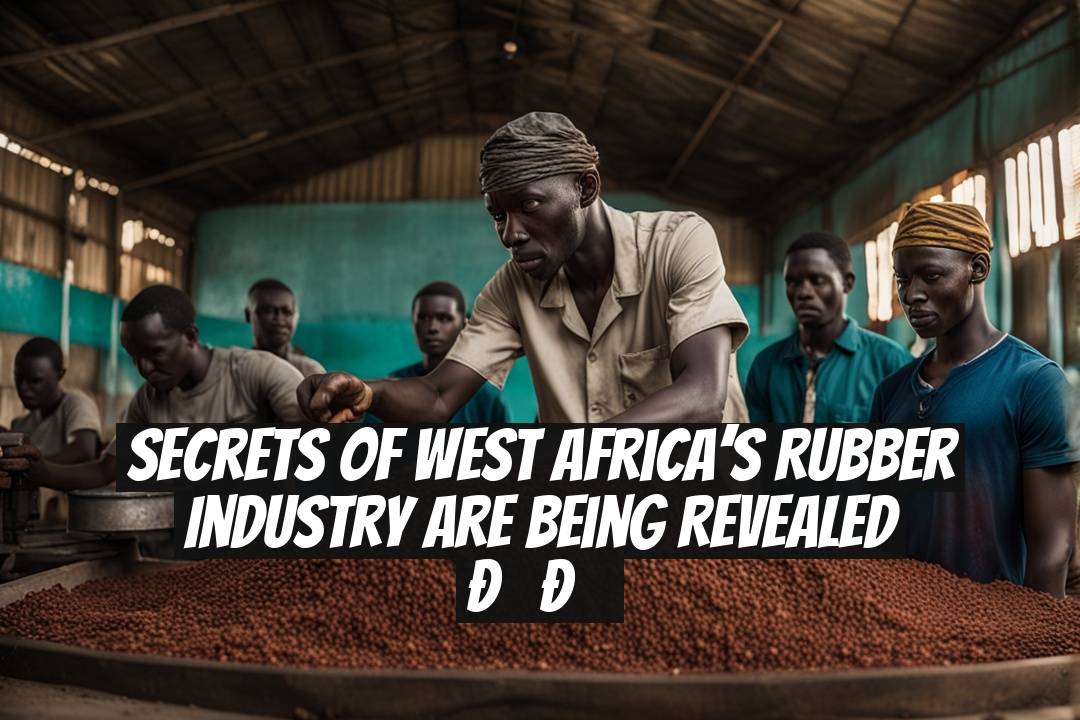
The Hidden Truth Behind West Africa’s Rubber Sector ?
The rubber industry in West Africa, particularly a company associated with billionaire Vincent Bolloré’s Bolloré Group, has surfaced amidst serious allegations regarding labor exploitation. Reports indicate a grim reality for workers at various plantations, leading to significant unrest and demands for reform. This year, a notable incident in Liberia showcased the desperate fight for better working conditions and accountability in the industry.
Unpleasant Working Conditions ?
In a dramatic event on June 1st, 2024, angry rubber workers in Liberia set ablaze the house of their plantation manager. This act was a courageous stand against severe labor conditions at the Salala Rubber Corporation, previously owned by Socfin, one of the country’s largest rubber producers. Major brands like Michelin, Bridgestone, and Continental source natural rubber from this region, which is commonly used in a variety of products, from tires to clothing.
Socfin also ventures into palm oil plantations, supplying major companies like Nestlé. The intertwined nature of rubber and palm oil production forms a cornerstone of West Africa’s agricultural economy. Operating in ten countries across the continent and Asia, Socfin has been at the center of numerous serious allegations, including:
Subscribe to our Social Media for Exclusive Crypto News and Insights 24/7!
- Sexual harassment
- Land appropriations
- Environmental degradation
- Insufficient wages
- Poor access to clean drinking water
These accusations have prompted internal investigations and calls for accountability from both the company and its stakeholders.
Vincent Bolloré’s Influence ?
Co-owned by Vincent Bolloré and Hubert Fabri, Socfin’s operations have raised eyebrows. With a multi-billion dollar fortune largely tied to media enterprises like Vivendi and Canal+, Bolloré has historically held significant assets within Africa, though much of it has been sold off recently in a move toward global container shipping. Nevertheless, his agricultural interests, specifically through Socfin, remain robust.
Repeatedly, female workers have shared alarming accounts of supervisors coercing them into sexual relations to secure work assignments. This exploitation creates a culture of fear; those who refuse face severe consequences, like losing their jobs or being unable to provide for their families. Such a toxic environment has long facilitated the company’s denial of these practices.
Despite consumer pressure urging accountability, reports of unacceptable conditions on plantations have persisted for years. Women have recounted their struggles against authority figures, emphasizing the humiliation and desperation in their fight for basic rights. The sense of shame felt by these women makes it extremely challenging for them to come forward and voice their concerns.
Outdated Practices and Insufficient Pay ?
Labor on these plantations is grueling. Workers often labor from dawn until dusk, struggling to meet harvest quotas while earning meager payouts. Socfin employs approximately 57,000 workers across the globe, with over 4,000 located in Liberia alone. Despite the significant profits reported by the company in 2023 and 2024, local communities receive a fraction of the financial benefits. While plantation workers earn just a few dollars each day, the nature of their contracts often leaves them disadvantaged and unable to escape from poverty.
- Day-to-day earnings: $5.50
- Majority of labor force as contractors receiving lower wages
- High costs associated with job acquisition: up to $125
Furthermore, basic amenities, such as housing and healthcare, are in deplorable condition. With reports of the health clinic having depleted resources and workers dissatisfied with their living situations, tensions have only escalated.
Worker Advocacy and Response ?
Amidst growing frustration, workers at these plantations formed unions to voice their grievances. Union leader Mary Boimah spearheaded efforts to present their demands to management. Unfortunately, her absence during a significant protest led to her arrest for alleged incitement after workers took extreme measures against the company’s management.
Improvements are challenging to implement, given the company’s historical actions of prioritizing profit over rectifying injustices. In the 1990s and early 2000s, Socfin aggressively expanded its reach post-civil war, often acquiring lands from vulnerable communities without due consideration for their existing rights and titles.
Seeking Global Change ?
As local advocates continue to challenge the dire conditions present within these plantations, international pressure mounts on Socfin. Activists aim for stricter regulations, hoping that the European Union will enact laws that compel better treatment of workers. Reports detailing human rights violations published by NGOs have prompted demonstrations and direct confrontations to bring attention to these abuses.
Although there have been lawsuits against numerous watchdog groups and investigators, stakeholders are determined to press for accountability and reform. In 2024, Socfin went private, complicating efforts to scrutinize its practices further.
Hot Take: The Path Forward ?
The troubling conditions revealed in West Africa’s rubber industry highlight the urgent need for reform and systemic change. Action plans implemented by entities like Socfin have proven insufficient, as real improvement comes from genuine efforts to change workplace dynamics and ensure fair treatment of workers. Simple adjustments and appropriate investments could make a significant difference in living and working conditions. The spotlight remains on corporations like Socfin, as the fight for justice and accountability continues unabated.