Is Shiba Inu’s Burning Frenzy Sparking a New Payroll Revolution in Crypto?
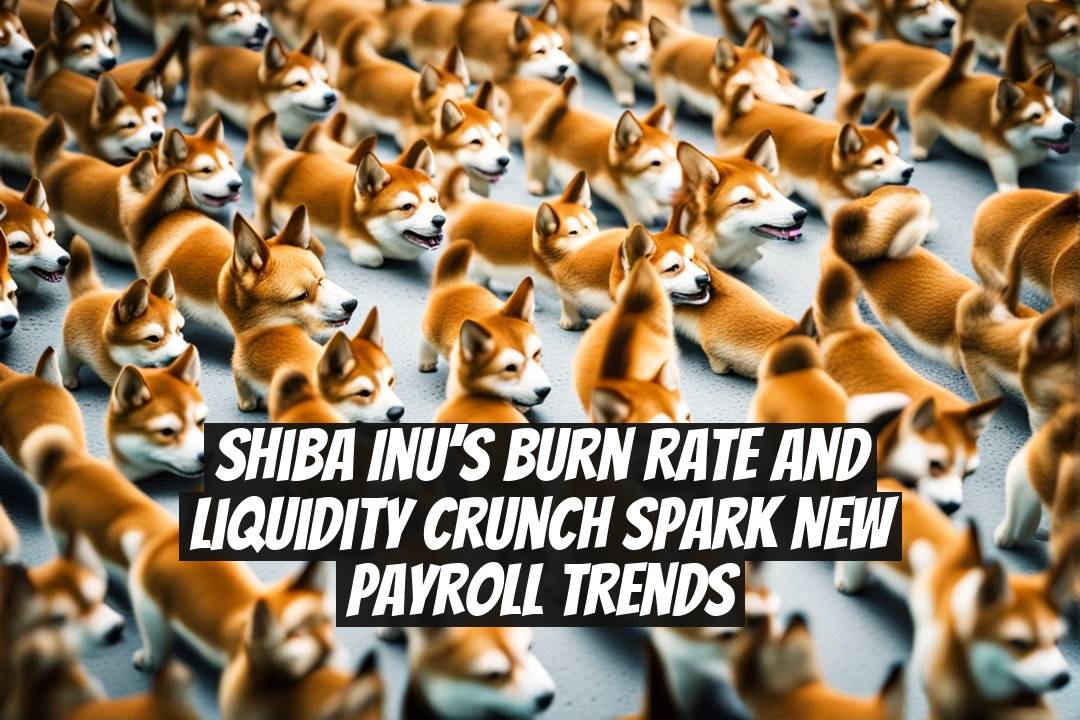
If you’ve been keeping tabs on Shiba Inu (SHIB) lately, you might have heard about its burn rate skyrocketing and a liquidity crunch fueling fresh trends in crypto payrolls. But what does all this hype really mean for the crypto market and for investors like you and me? Let’s dive into the fiery world of SHIB’s burn rate, liquidity issues, and how they’re stirring new payroll dynamics-plus, practical tips on navigating this volatile terrain.
Key Takeaways ??
- Shiba Inu’s burn rate saw astronomical spikes of up to 83,891% in a day, dramatically reducing circulating supply[1].
- These massive burns have contributed to price surges but are also causing liquidity crunches that ripple through crypto payroll trends[1][6].
- The burn rate is highly volatile, with recent drops of over 90%, sparking debates about the sustainability of SHIB’s tokenomics[2].
- New payroll trends are emerging as companies and projects adjust to these liquidity shifts, using alternative mechanisms to manage token compensation[6].
- Staying informed about burn rate fluctuations and their market impact is crucial for any investor eyeing SHIB’s potential.
- Practical tips include monitoring burn data real-time, diversifying exposure, and understanding liquidity risks before committing funds.
Subscribe to our Social Media for Exclusive Crypto News and Insights 24/7!
? What Does a Shiba Inu Burn Rate Explosion Mean for the Crypto Market?

In August 2025, one of the most jaw-dropping events hit the Shiba Inu ecosystem: an 83,891% increase in burn rate within 24 hours, amounting to the destruction of roughly 88 million SHIB tokens in just a day[1]. This massive token burn permanently removes these coins from circulation, theoretically making remaining SHIB tokens scarcer and potentially more valuable. The immediate effect? SHIB’s price shot up by around 5.3%, with an overall boost of 13% in seven days, riding broader crypto rallies like those of Ethereum and Solana[1].
But why does this burn rate matter so much? Token burning acts as a deflationary mechanism. Think of it like slowly melting down coins in a treasure chest-fewer coins mean each one could be worth more. However, the complexity lies in balance; burning too many tokens too fast may strain liquidity, meaning there’s less token availability for transactions, staking, and especially payrolls.
? The Liquidity Crunch: When Burning Tokens Gets Tricky
What happens when the burn rate goes parabolic is that while scarcity seems good at face value, it can choke liquidity. In simpler terms, less liquid tokens mean it can get harder for holders or projects to move or use SHIB tokens freely without big price swings. This liquidity crunch is not just a minor inconvenience. It affects how crypto businesses pay salaries, distribute rewards, or execute contracts based on tokens.
The limited supply on exchanges and within wallets makes converting SHIB to fiat or other assets tougher, leading companies to rethink payroll structures. For staff often paid partly in crypto, volatility and liquidity issues can become frustrating, prompting some crypto organizations to switch to more liquid assets or use sideblockchain solutions like the Shibarium layer[6][3].
? New Payroll Trends Sparked by Shiba Inu’s Burn and Liquidity Issues
Because Shiba Inu’s tokenomics are so sensitive, companies partnering with SHIB or relying on it for payroll have started to innovate:
- Dynamic compensation models: Employees receive a mix of SHIB and other stable coins or fiat to hedge against price dips and liquidity problems.
- Layer 2 solutions: Some are leveraging the Shibarium blockchain, designed to enhance transaction speed and reduce fees, easing payroll disbursement issues[3].
- Token vesting and escrow accounts: To avoid sudden liquidity crunches as tokens are burned, firms use escrow smart contracts releasing tokens gradually.
- Payroll tokens swaps: Automated token swapping mechanisms convert SHIB to more liquid assets immediately upon payout.
These trends reflect a maturing crypto employment market, learning to navigate volatility and liquidity constraints while keeping employee incentives aligned.
? What Happens When the Burn Rate Drops? The Flip Side
The spectacular highs of token burns have also seen sharp reversals. In late August 2025, SHIB’s burn rate plummeted by 95%, raising alarms within the community[2]. The token’s price struggled to rebound strongly as only about 9.4 million SHIB were burned over the week compared to the prior frenzy.
This sudden drop means the deflationary pressure is weakening, potentially increasing circulating supply, and reducing speculative buying interest spurred by scarcity hopes. For investors, it’s a reminder that burn rates can fluctuate wildly, and relying solely on token burning as a value driver can be risky[2].
Practical Tips for Investors Navigating Shiba Inu’s Burn Rate and Liquidity Waves ?️
Regularly Monitor Burn Data: Use reliable platforms like Shibburn to track real-time token burns and spot trends early.
Diversify Your Crypto Holdings: Don’t put all your eggs in the SHIB basket. Given the volatility of burn rates and liquidity, spreading risk helps cushion shocks.
Understand Liquidity Implications: Before investing heavily, assess SHIB’s liquidity on exchanges and pools. High burn rates might reduce token availability, impacting your ability to sell quickly.
Follow Shibarium Developments: Layer 2 solutions could improve transaction efficiency and payroll mechanisms, potentially enhancing SHIB’s utility and value.
Stay Alert for Market Sentiment: Burn rate spikes often coincide with rallies, but external factors like regulatory news or macroeconomic trends can override tokenomics.
Be Cautious with Payroll Exposure: If you’re part of a project paying salaries in SHIB, ensure compensation structures consider liquidity crunch risks and price swings.
? Personal Take: What Shiba Inu’s Volatility Teaches Us About Crypto’s Future
As someone who watches crypto markets both as an analyst and someone chatting with fellow investors over coffee, Shiba Inu’s burn rate saga is an electrifying lesson in market psychology and innovation. The extremes-both explosive burns and sudden collapses-show how meme coins aren’t just playgrounds for fun but real-world experiments in deflationary economics and liquidity management.
The evolving payroll trends are particularly fascinating. It’s proof crypto is pushing the boundary of what “money” means in salary payment and wealth preservation. But it also warns investors that hype and utility must be balanced. Burn rates can create artificial scarcity, but without robust liquidity and thoughtful tokenomics, value can be fleeting.
So, is SHIB’s burn-powered rally the future’s pulse or just a fireworks show? That might depend on how the community and projects lean into innovation-especially with Layer 2 solutions-and manage liquidity wisely.
What does this dynamic balance of burn rate and liquidity mean for your investment strategy? Could such pulsating token burns become a standard playbook for meme coins, or will liquidity constraints and volatility always keep this market on edge?
Explore more on the topic:
Shiba Inu Burn Rate
Liquidity Crunch
Payroll Trends
Sources:
[1] https://thecryptobasic.com/2025/08/13/shiba-inu-burn-rate-soars-83891-as-unknown-user-destroys-85795990-shib-price-rises-5/
[2] https://coincentral.com/shiba-inu-burn-rate-drops-95-as-price-struggles-to-recover/
[3] https://www.ainvest.com/news/shiba-inu-shib-0-000025-target-2025-achieved-2509/
[4] https://www.coinspeaker.com/shiba-inu-burn-rate-skyrockets-3464-shib-price-rebound/
[5] https://www.shibburn.com
[6] https://www.barchart.com/story/news/34285319/shiba-inu-burn-rate-explodes-but-bored-holders-are-switching-to-layer-brett-for-market-leading-2025-returns