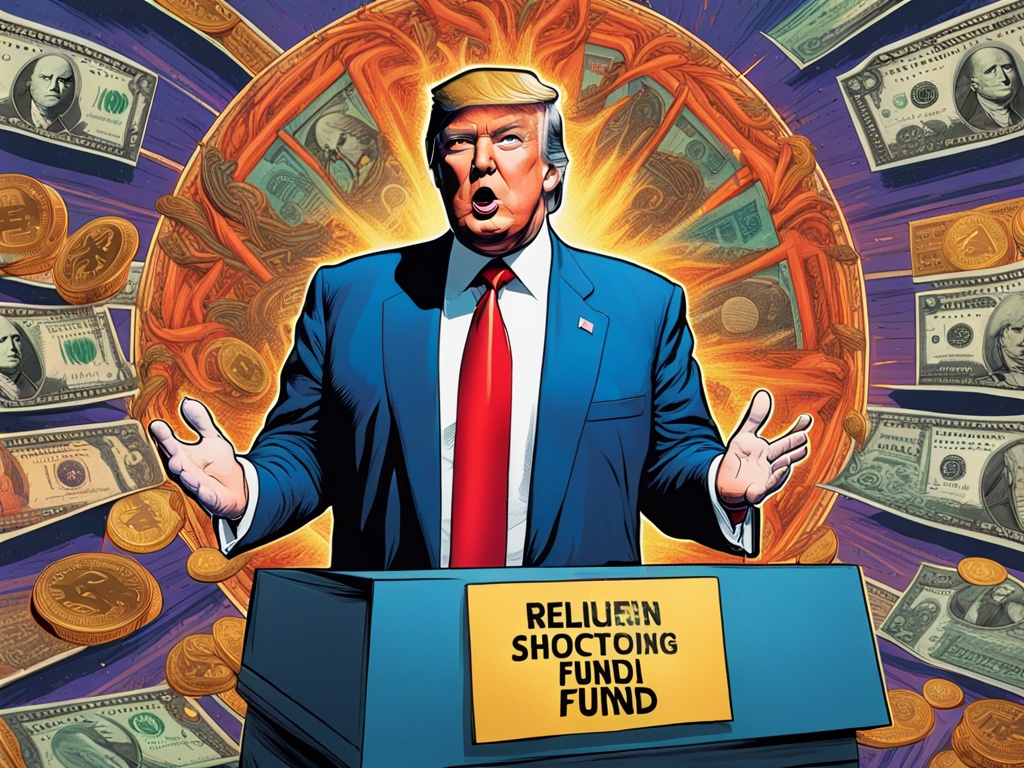
The Ripple Effect: Understanding the Implications of Corporate Donations in Crypto
Hey there! Grab a cup of coffee and settle in, because we’re about to dive into something that’s buzzing in the crypto world right now. Recently, some US lawmakers have raised eyebrows over a hefty $1 million donation made by OpenAI’s CEO, Sam Altman, to President-elect Donald Trump’s inaugural fund. The implications of this situation stretch far beyond just a corporate donation; they touch on the intersection of politics, technology, and cryptocurrency, which is a lot for any investor to unpack.
First off, it’s essential to empathize with various viewpoints here. On one hand, you have the tech firms and crypto companies that see this as a strategic investment, hoping their monetary contributions will pave the way for favorable regulations. On the other, you have lawmakers voicing concern about potential corruption and the influence of corporate money on democracy. These tensions raise some interesting questions about the future of cryptocurrency and its role within our political landscape.
Key Takeaways:
Subscribe to our Social Media for Exclusive Crypto News and Insights 24/7!
- Lawmakers are scrutinizing corporate donations to Trump’s inaugural fund, highlighting potential conflicts of interest.
- OpenAI, alongside major tech and crypto firms, has made significant contributions, with an eye toward regulatory changes.
- Concerns are growing about how these donations might influence government actions, particularly regarding ongoing legal challenges for these firms.
The Backstory of Corporate Donations and Crypto
So let’s set the stage: US Senators Elizabeth Warren and Michael Bennett have sent a letter to Altman requesting the nitty-gritty details behind this donation. They pointed out that tech giants like Microsoft and Amazon, along with crypto companies like Ripple and Coinbase, have contributed about $10 million collectively. This money is meant to support high-profile inaugural festivities-implying they’re putting their money where their mouth is in hopes of creating a supportive regulatory environment.
Imagine pulling up to a party with a fistful of cash and claiming you’re just there for the snacks. It’s clear that these contributions are more about influencing future policies than simply celebrating an inauguration. Since the crypto industry has been waiting for regulatory clarity, they see this as a chance to get ahead.
Legal Scrutiny and Legislative Concerns

The lawmakers’ concerns are valid, especially considering that many of these donor companies are currently dealing with federal investigations. You know it’s serious when politicians start scrutinizing donations. The fear is that these contributions might buy regulatory leniency, or worse, manipulate the political landscape to benefit a few wealthy corporations to the detriment of consumers and innovation.
Here’s a quick rundown of the lawmakers’ main points:
- Potential Corruption: The lawmakers are raising an alarm over the risk of corporate corruption and undue influence on the political process.
- Regulatory Impacts: There’s anxiety that these donations could lead to favors, or a softer touch from regulators on big tech companies facing scrutiny.
- Consumer Rights at Stake: If these large entities gain more power through such influence, it could threaten consumer rights and hamper competition.
Personal Reflections on Corporate Influence
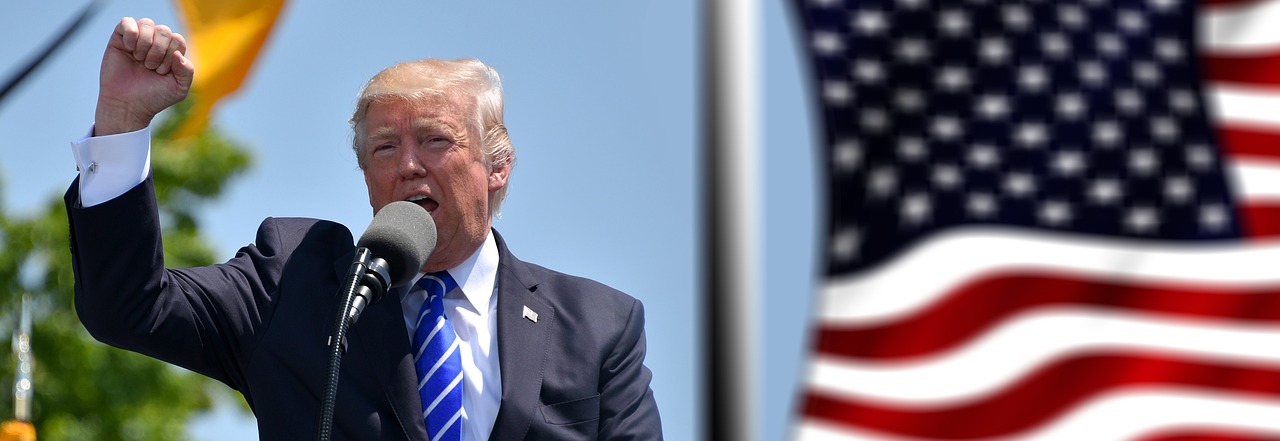
I can’t help but reflect on the times we’ve seen similar dynamics play out in different industries. Think about when the pharmaceutical industry faces similar scrutiny-when they lobby for favorable drug pricing or patents. The principle is the same. You might wonder, is this ethical? It creates a ripple that can affect ordinary people-not just the corporations involved.
Here’s an interesting fact: Many investors in the crypto sector are incredibly passionate about decentralization-that’s the core ethos of crypto, after all. So seeing the potential for a few corporations to pull strings in government is like throwing ice water on a warm campfire.
Altman’s Clarification and Public Perception

In a swift response to the inquiry, Altman made it clear through social media that this donation was personal, not an OpenAI company decision. I appreciate his straightforwardness, but the damage might already be done to public perception. This leaves many wondering: How much do personal contributions from high-level executives impact their companies’ interactions with the government?
We all know how important perception is in the crypto world. Think about it-if people believe the industry is tightly linked to political favoritism, trust erodes quickly. This could lead to investors re-evaluating their positions, spooked by the whispers of potential regulatory backlash.
What’s Next for Crypto?
The Golden Age of Crypto is often touted to be just around the corner with every new piece of legislation or potential partnership. Yet, the delicate balance between fostering innovation and maintaining ethical standards is tough to manage. As more lawmakers turn their eyes toward corporate donations, investors need to stay alert.
Key thoughts for you as an investor:
- Watch for how this situation unfolds and impacts regulations. The crypto market can thrive in clarity.
- Stay informed about the public sentiment around these donations and company actions, as consumer trust is a cornerstone for crypto growth.
- Keep your ear to the ground-this could affect market sentiment, leading to volatility.
Now, as we wrap up, consider this thought-provoking question: In our quest for innovation, how do we ensure that the lines between support for businesses and genuine public interest stay clear? After all, maintaining integrity in the emerging landscape of technology-and crypto, specifically-could very well shape the future of investment.
And with that, let’s continue to ponder the possibilities and implications of donations, not just in crypto but across industries. Remember, investment is as much about the story as it is about the numbers!
Read more about OpenAI’s contributions and implications for crypto, explore lawmakers’ concerns on corporate influence, and gain insights on crypto’s relationship with politics.