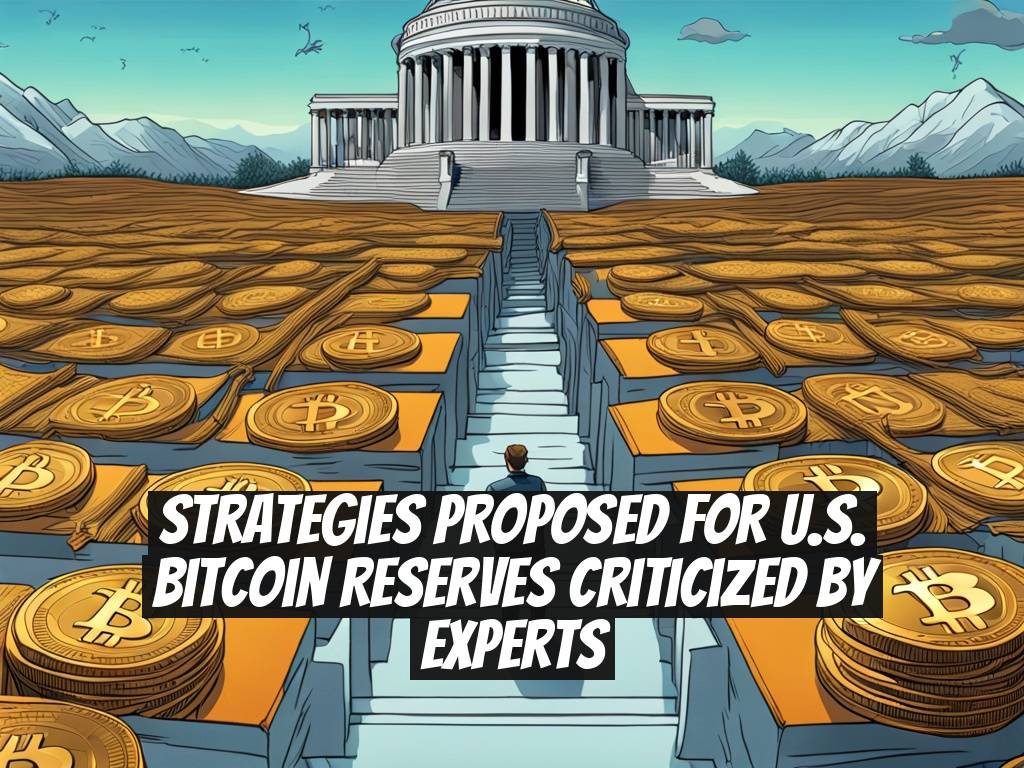
Is the U.S. Government Ready to Embrace Bitcoin? ?
The crypto market is buzzing with discussions about how the U.S. government is planning to handle its Bitcoin reserves. With so much at stake, how does this impact not just the market but also potential investors looking to get in on the action? Let’s dive into the nitty-gritty of Jiang Jinze’s critique of the government’s strategies, the forthcoming White House Crypto Summit, and what it all means for you.
Key Takeaways:
- Jiang Jinze slammed the U.S. government’s dependence on seized BTC for its reserves.
- Following the 2016 hack, half of the U.S. Bitcoin holdings are owed to Bitfinex.
- There are alternatives like selling gold and using federal resources to mine Bitcoin.
- The upcoming White House Crypto Summit is likely to shape U.S. crypto regulations moving forward.
On March 7, Jiang Jinze-analyst and founder of Muse Labs-highlighted some serious issues with the U.S. government’s current strategy regarding Bitcoin. Here’s the crux of the matter: the government is limited to building its Bitcoin reserves mainly from seized assets tied up in criminal and civil cases. Now, I don’t know about you, but relying on confiscated Bitcoin doesn’t seem like a rock-solid plan, does it? Especially when nearly half of those reserves are owed back to Bitfinex due to a historical hack.
Subscribe to our Social Media for Exclusive Crypto News and Insights 24/7!
? Jiang Jinze Questions the U.S. Reliance on Bitcoin Forfeitures
So, what’s the big deal here? According to Jiang, the U.S. government currently holds about 200,000 BTC, but only 100,000 are actual reserves-highly misleading, right? That’s mainly because almost half of this amount needs to be returned to Bitfinex. This means the actual hoard is far smaller than perceived, casting a long shadow on the U.S.’s ability to assert itself in the crypto markets.
Now think about it: the price of Bitcoin has shot up significantly since those early days. Jiang highlighted that the U.S. could have sold off 195,000 BTC for over $17 billion if they had acted promptly instead of making piecemeal decisions. Talk about major missed opportunities!
? Alternative Strategies for Expanding U.S. Bitcoin Reserves

Jiang proposed some creative alternatives for the U.S. to consider. Let’s break it down into bite-sized chunks:
Selling Gold: Jiang suggests that selling a portion of its gold reserves could be an effective strategy. Why? Because it’s budget-neutral, meaning it wouldn’t add to government spending. It’s like selling your old bike to buy a new shiny gadget-budget conscious, right?
Reinvesting Tariff Revenues: Using revenues from tariffs could also fund Bitcoin purchases without hefty expenditures. Although, it seems unlikely to get approved anytime soon-thanks bureaucracy!
- Using Idle Federal Resources: Jiang mentions leveraging underused federal data centers and energy resources for Bitcoin mining. While it’s a whacky idea, it might yield minimal returns since most Bitcoins have already been mined.
In a nutshell, these alternative methods suggest a resourceful approach to acquiring Bitcoin without breaking the bank. But will they be effective? That remains to be seen.
? Matrixport Echoes Gold Selloff Strategy
Interestingly, this discussion isn’t just a solo act. Matrixport, Asia’s largest all-in-one crypto services hub, echoed Jiang’s sentiments. They suggested that tapping into gold under a "Strategic Bitcoin Reserve" plan could yield significant quantities of Bitcoin if executed correctly. Imagine selling 15% of the reserves for a cool $110 billion-plenty of funds for 1.05 million BTC at today’s prices! Honestly, that sounds like a no-brainer!
However, keep in mind that any large-scale attempt to accumulate Bitcoin could push prices up significantly, making it more expensive for the government to acquire their desired stash. It’s like trying to buy soft drinks at the last minute before a big football game-good luck with that!
?️ The White House Crypto Summit and the Future of U.S. Bitcoin Policy
Now, let’s fast forward to looming regulatory nuances. The White House Crypto Summit could be a game-changer in shaping U.S. crypto policy. Expectations are high! Industry insiders are speculating whether the government will finally simplify cryptographic regulations which could potentially eliminate the hurdles that have plagued investors.
However, many in the crypto space have labeled the government’s current Bitcoin reserve strategy as underwhelming. It’s as if they were promised an extravagant celebration, but what they got was just a plain old sandwich! Investors were anticipating a plan to actively accumulate Bitcoin, not just keep what they already seized.
? Personal Insights and Practical Tips
For those thinking about diving into this market, here’s my two cents: keep an eye on the White House Crypto Summit. The outcome may not only influence regulatory frameworks but also provide clarity on how the government plans to navigate its Bitcoin portfolio.
Moreover, consider the broader market sentiment around Bitcoin and any potential government moves-investors often react to such news, and emotions soar through the roof during these announcements.
Stay Informed: Like I always say, knowledge is power. Following crypto insider news can help you draw your conclusions.
Diversify Your Investments: Don’t put all your eggs in one basket. Crypto can be volatile!
- Be Prepared for Price Fluctuations: Prices can swing wildly based on news, so gird your loins and ride the waves!
Conclusion: What Does This Mean for The Future of Bitcoin?
It’s clear that the U.S. government is on a bit of a balancing act when it comes to Bitcoin. While they’re trying to play it safe with their reserve strategy, it’s evident that this approach may not serve them well in the long run.
So, as this saga unfolds, one burning question persists: Will the U.S. evolve its approach to Bitcoin acquisition, or will they remain stuck, holding on to what they’ve seized while missing out on future opportunities?
? What do you think? Is it high time for the government to change its game plan? Let’s chat!