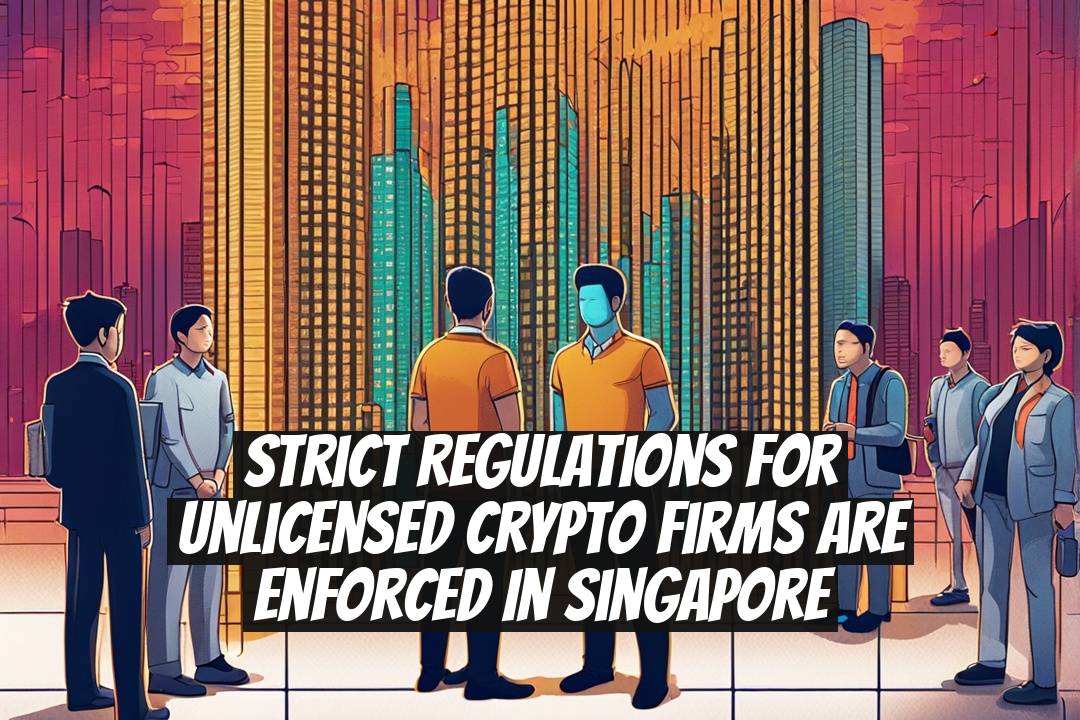
? How Will Singapore’s New Crypto Regulations Shape the Market?
Alright, my fellow crypto enthusiast! Let’s dive into the latest shake-up from Singapore that’s sure to set some waves through our beloved crypto market. So, just recently, the Monetary Authority of Singapore (MAS) announced that any unlicensed crypto firms operating overseas after June 30 will be shut down. Sounds serious, right? Let’s break this down.
Key Takeaways:
- New Regulations: Unlicensed crypto firms must cease operations or get a DTSP license.
- No Exceptions: No grace period; strict compliance expected from all firms.
- Consumer Safety: MAS aims for innovation while safeguarding consumers.
- Heavy Penalties: Non-compliance can cost up to 250,000 SGD and potential jail time.
- Current Licensing: Only 33 digital payment token licenses issued so far.
Subscribe to our Social Media for Exclusive Crypto News and Insights 24/7!
? The Shift in Crypto Regulations
Imagine waking up one morning and suddenly your favorite café can’t serve coffee unless they get a special license. That’s the kind of shift we’re seeing in the crypto landscape. MAS is tightening its grip on local providers dabbling in digital tokens abroad, and, honestly, it’s a move that carries both risks and perks.
Why this new rule? Well, MAS is balancing the fine line between fostering innovation and ensuring the safety of consumers. They want to build a trustworthy ecosystem where investors can feel secure. It’s a commendable aim, but it definitely impacts how firms operate!
? What You Need to Know

If you’re an investor-or thinking of becoming one-here’s the scoop:
Local firms providing tokens overseas must get a Digital Token Providers Service (DTSP) license. No license? Time to pack up!
MAS won’t hand out any grace periods, which means if you’re a small player trying to make it in the crypto world, you better hustle.
- These firms will be under strict surveillance for any sneaky behavior-think of it as the regulatory hawks keeping watch!
? What’s the Responsibility of Firms?

MAS wants to ensure that while companies strive to innovate, they don’t forget about safeguarding their customers. Here’s a practical breakdown:
- Companies must hold at least $185,000 in base capital.
- Fresh customer due diligence? Yes, please. Regular checks are a must.
- Compliance with the FATF travel rule and tech risk standards? You bet!
In a way, it’s great to know that there’s an effort to keep things safe in this volatile market. There’s something to be said for digging a little deeper into whom you’re trusting with your investments, right?
️ What If They Don’t Comply?

So, what happens if someone decides to ignore the regulations? Not a pretty picture, I can tell you. The penalty for non-compliance can reach up to 250,000 SGD (about 200,000 USD) and could land someone in jail for a stretch of up to three years. Ouch!
This level of enforcement really shows MAS’s commitment to clamping down on shady practices like money laundering and terrorism financing. In the long run, a compliant environment could enhance trust in crypto, which is super vital for its growth.
?️ Current Licensing Scenario
As of now, MAS has issued only 33 digital payment token licenses, including big names like Coinbase and Anchorage. It’s almost like an exclusive club, right? This signifies a slow but intentional buildup of credibility and trust in the market-ideally leading to wider adoption among cautious investors.
? Personal Insights
From my perspective, living in the European landscape and observing the rapid evolution of crypto, I feel this change can usher in some long-term stability. While it might seem restrictive short-term, in the grand scheme, reliable regulations could lead to safer investments, attracting more retail investors who’ve been on the sidelines.
If you’re looking to invest in crypto, keep an eye on how well companies adapt to these regulations. A firm proactive in obtaining licenses and demonstrating compliance is likely to be a safer bet.
? Practical Tips for Investors
Stay Informed: Keep an eye on updates from MAS and other regulatory bodies in your area. Knowledge is power, after all!
Seek Licensed Firms: Stick to companies with the necessary licenses; they’ll have a better chance of weathering regulatory storms.
Do Your Homework: Research stakeholder and operational transparency-these are often good indicators of trustworthiness.
- Be Patient: Yes, the waiting game can be tough, but good things often take time. The market may evolve for the better as these regulations settle in.
? A Last Thought
So, where do we go from here? With regulatory bodies tightening the reins, will this ultimately lead to a more robust crypto ecosystem, or will it stifle innovation? It’s a complex dance, and your thoughts on it could shape your next investment moves! What do you think-are we heading for a safer crypto market, or are we just putting a fancy band-aid on a more significant issue?