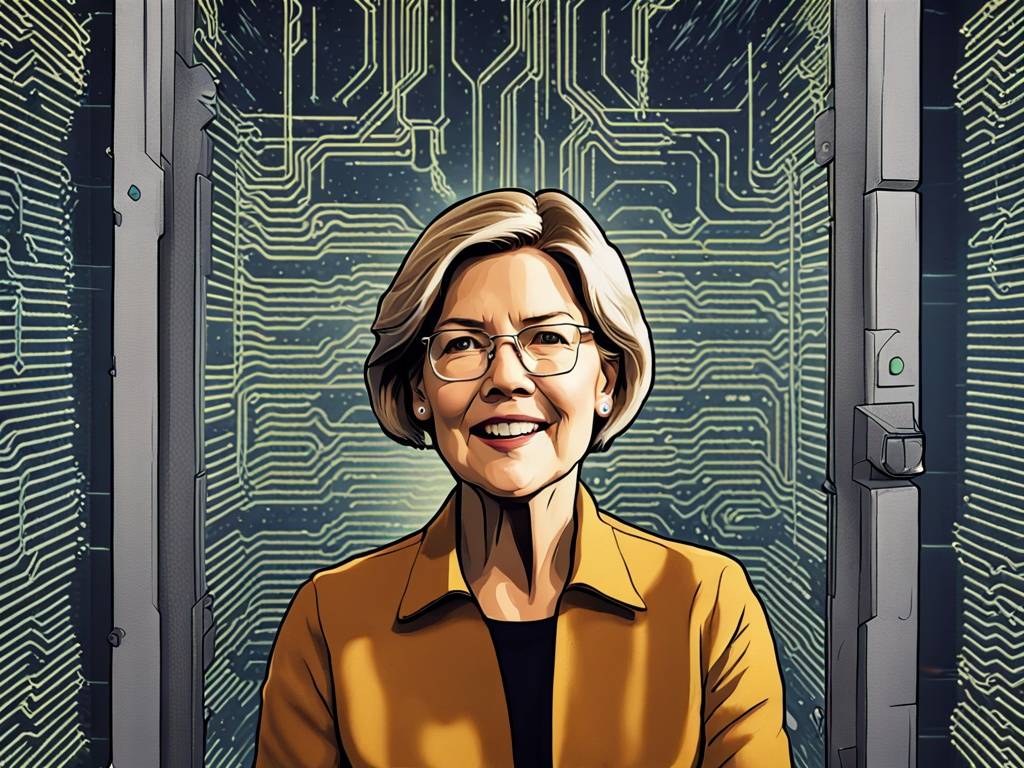
What If Your Crypto Dreams Were Suddenly Debanked?
Imagine this: you’re a budding entrepreneur in the crypto world, eyeing that next big innovation. You’ve poured your heart, and let’s be real, a good chunk of your savings into this project. You’re amped up, ready to pitch your idea, only to find out your bank won’t even touch you because of your crypto affiliation. That’s a real punch to the gut, right? Well, the recent Senate hearing brought this issue into the spotlight, with even some surprising backing that could turn the tide for many like you.
Key Takeaways
- Senator Elizabeth Warren’s Shift: A prominent crypto critic, Warren is now calling for an end to the practice of "debanking," claiming it unfairly targets crypto leaders and others.
- Support for Crypto Leaders: The Senate hearing saw Warren expressing support for those affected by these banking practices-a significant shift from her past stance.
- Call for Stronger Regulations: Warren is considering advocating for regulations to protect crypto entrepreneurs from being locked out of the banking system.
- Consumer Financial Protection Bureau’s Role: Warren pushed for the reinstatement of a strong Consumer Financial Protection Bureau (CFPB) to combat debanking.
Subscribe to our Social Media for Exclusive Crypto News and Insights 24/7!
The Shift in Crypto’s Narrative
So, here’s the deal. Senator Warren, who’s often been seen as the poster child for crypto skepticism, is sounding more like an ally for those in the crypto space. During a Senate Banking Committee hearing, she dropped some serious lines in support of people who claimed they’d been debanked-basically, kicked to the curb by their banks for their crypto dealings. This change of heart must have surprised some folks, right? Like, is this really happening?
From her fiery comments about debanking being a "real problem" to her backing of a panel of crypto industry witnesses, it seems Warren is aiming to shift the narrative. She even said outright that no one should be locked out of the banking system just because they’re involved in crypto-talk about a 180-degree turn!
The Bigger Picture: What’s at Stake?
Now, why does this matter? Debanking isn’t just a buzzword for crypto enthusiasts; it affects real people and businesses trying to navigate their way through the financial system. Look, it’s hard enough to get funding for a startup, and when your bank is giving you the cold shoulder because of the whole crypto stigma, that’s just another barrier in an already tough industry.
? Practical tip: For those in the crypto space, it’s crucial to build relationships with banks that have a more positive outlook on digital assets. Research local financial institutions or credit unions that may be more open to working with you. Sometimes, smaller or community banks are more willing to support innovative ventures unlike larger corporations.
Looking Toward Regulation
You know, what really intrigued me was Warren’s push for more regulation to protect consumers from this kind of treatment. She’s calling for transparency, saying that if banks are making these decisions, there should be stronger guidelines surrounding it. And that’s not just important for crypto folks; it’s a broader issue that can affect various communities and causes that get swept under the rug.
She highlighted other groups that could be impacted by similar practices-nonprofits, the cannabis industry, and even minority communities. This shows a more holistic approach to the conversation surrounding banking practices.
Internal Conflicts and Pushback
Interestingly, there was a moment during the hearing that questioned how overt these debanking practices really are. Nathan McCauley, CEO of Anchorage Digital, pushed back on naming specific banks that had refused him services, saying that the banks were "victims" too. It gets a bit murky, doesn’t it? Is it the system at fault, or just the banks enforcing their policies? This kind of pushback reflects the internal conflicts present in the industry.
What About the CFPB?
And let’s not forget the Consumer Financial Protection Bureau (CFPB). Warren, who helped create it, emphasized its role as a watchdog for such practices. However, you have to wonder about its future, especially given it was threatened in recent political debates. A strong CFPB is crucial for consumer protection, so if you’re a crypto investor, keeping an eye on its status could be incredibly important in the coming years.
Final Thoughts
All said and done, these developments in Washington could signal a turning point for the crypto industry. With crypto leaders surprisingly finding an ally in a figure like Warren, it might lead to more favorable conditions moving forward.
But here’s a thing: it’s essential for both investors and entrepreneurs to stay informed and engaged. This hearing is just one step in a much longer journey. What do you think? As crypto continues to evolve, do you feel more optimistic or cautious about how these regulatory changes might unfold?