
Why Tokenization Is Changing the Game for Gaming and Real Estate-And Why You Should Care
If you think tokenization is just buzzword fodder, hold up-this tech is quietly rewriting the rules of how we invest and play. Tokenization transforms assets into digital tokens on a blockchain, making everything super divisible, transparent, and tradeable 24/7. Whether you’re dabbling in virtual lands in the gaming metaverse or hunting for your slice of prime real estate, tokenization’s making these once illiquid, high-barrier investments ridiculously accessible. Today, we’ll unpack how tokenization is flexing its muscles in the gaming and real estate sectors, with live market data, insider analysis, and some no-fluff tales from the trenches of crypto investing.
Key Takeaways

- Real estate tokenization market expected to explode from ~$20B recently to $1.5-3 trillion by 2025-2030.
- Gaming tokenization unlocks true digital ownership, liquidity, and new revenue streams for developers and players.
- On-chain analytics reveal growing institutional flows into tokenized real estate, echoing historic market dominance cycles.
- Market mechanics like ADX spikes and liquidation cascades highlight volatility and opportunity in tokenized asset trading.
- Smart contract automation and AI integration driving efficiency and user experience on tokenization platforms.
? Real Estate Tokenization: From Mansions to Micro-Shares
Back in the day, investing in commercial real estate meant one thing: either you had fat pockets or you stayed out. But tokenization stepped in like a game-changer. Instead of snapping up whole properties, investors can now buy tokens representing fractional ownership. Think of it as chopping a $10 million skyscraper into digital puzzle pieces, each traded on a blockchain marketplace anytime you want.
Subscribe to our Social Media for Exclusive Crypto News and Insights 24/7!
The numbers? Tokenized real estate surpassed $20 billion in value recently, with projections bullish on hitting $1.5 trillion by 2025 and potentially $3 trillion by 2030[1][4][5]. This surge is powered by:
Liquidity unlocking: Secondary markets let token holders trade shares like stocks, smashing the usual 30- to 60-day settlement delays.
Lower minimum investments: Platforms now let newbies buy fractions for as low as $50 - yeah, cheaper than your daily latte habit[3].
- Faster, trustless transactions: Smart contracts automate sales and dividends, slashing intermediaries and legal headaches.
And the whale moves? Institutional giants like BlackRock and Goldman Sachs are dipping toes in tokenized real estate pools, signaling a shift from beta to mainstream asset class - a classic dominance cycle echoing previous crypto shifts, where institutional entry drives both liquidity and price momentum[4].
On-chain activity shows growing stablecoin inflows corresponding with tokenized asset purchases - especially tethered to real estate tokens - underscoring liquidity and capital rotating from traditional holdings to these digital proxies. A trader I chatted with noted, “It feels eerily like 2021’s DeFi summer with a twist - but this time for real assets.”
AI’s role can’t be ignored either. AI-powered virtual assistants and management automation cut costs and turbocharge property management efficiency by 25% EBITDA bumps, according to Nvidia reports[2]. Imagine a 24/7 digital concierge that handles inquiries and scheduling while you catch some Z’s.
? Gaming Meets Tokenization: Leveling Up Digital Ownership
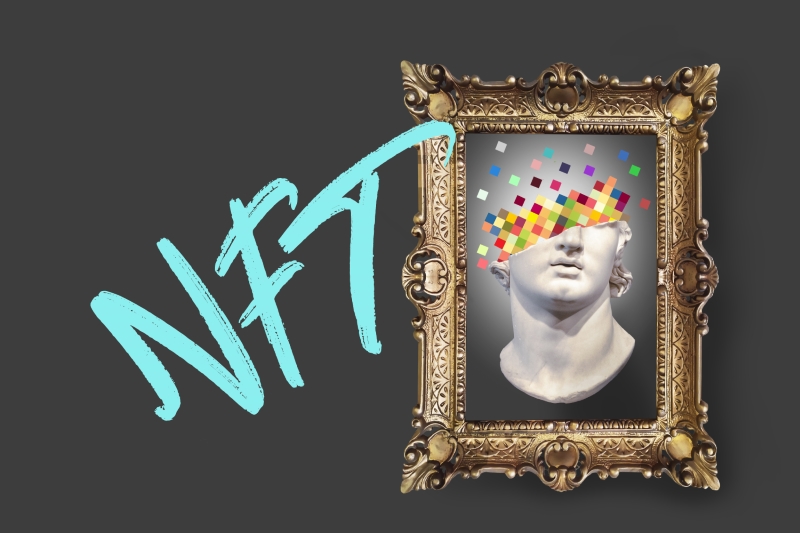
Tokenization in gaming is the stuff of nerd dreams. We’re talking true ownership of in-game assets - skins, weapons, virtual real estate - all minted as NFTs or fungible tokens on blockchains like Ethereum, Solana, or Flow. No longer do you just "use" that epic sword; you own it, trade it, or even rent it.
Why is this massive?
Liquidity and marketplaces: Players can trade assets across games and platforms, turning digital collectibles into real-world economic units.
New revenue models for devs: Royalties on secondary sales create ongoing income streams beyond game sales.
- Player empowerment: Tokenization erases centralized control shackling gamers. The metaverse just got real ownership.
Remember the 2021 Axie Infinity pump-and-dump mania? That was a wild ride - but it showcased tokenization’s disruptive potential and its still-wild volatility. When ETH swan-dived in May 2021, Axie tokens and related NFTs followed suit in liquidation cascades no investor forgot anytime soon. The ADX spike then was insane, with directional movements fueling sell-offs and wild rebounds.
Fast forward - market dominance in gaming tokens cyclically rises around major NFT launches or gameplay milestones, hinting at investor sentiment swinging like a crypto pendulum.
A crypto analyst buddy remarked, “HODLing SOL through that crash wasn’t for the faint-hearted - but that’s why you rake the rewards when things stabilize.”
? Charting the Market Mechanics: Dominance, ADX, and Liquidations

Okay, here’s the juicy stuff that separates hype from actionable insight. Tokenized markets exhibit behavior familiar to seasoned crypto traders: dominance cycles where tokens like those associated with real estate or gaming surge in market cap versus BTC or ETH, signaling shifting capital tides.
ADX (Average Directional Index) readings reveal trending strength - in times of tokenized asset surges, ADX spikes above 25+ show a clear trend forming; liquidation cascades often follow sudden leverage unwinds or bad news. These aren’t just random moves; they paint a picture of sentiment and risk tolerance.
Consider a scenario from mid-2024: A key real estate token (let’s call it RET-XY) saw a 30% jump amid bullish regulatory news supporting token trading. The ADX soared to 35, confirming trend strength while whales rotated capital from altcoins into RET-XY. Then, a rapid correction caused a 15% dump triggered by liquidation cascades in highly leveraged positions - yet savvy traders snagged discounted entry points.
This ebb and flow mimics classic market mechanics seen during the 2017 crypto bull run, the 2021 DeFi mania, and the recent surge in gaming NFTs - all underscored by the explosive capacity of tokenization to create new, tradable asset classes that never existed before.
? Tech Behind the Curtain: Smart Contracts and AI Automation
Tokenization’s magic isn’t just in dividing assets; it’s in automating the whole game. Smart contracts handle everything from ownership transfers to payout distributions with near-zero friction.
No more manual escrow hassles.
Ownership records immutable on the blockchain.
- Real-time dividend payouts and NFTs granting perks or access.
AI is speeding this up even more. Imagine AI bots managing tenant screening, property maintenance scheduling, or gaming user support - available 24/7 and learning from behavior to improve service.
KPMG projects $100 billion savings for real estate alone by 2025, thanks to automation efficiencies[2]. That’s not chump change. And for gaming, AI enhances anti-cheat systems and personalized content delivery, making tokenized game economies healthier and more engaging.
? Looking Ahead: What to Watch and Why It Matters
If you’re sitting on the sidelines thinking tokenization’s too niche, think again. Market cap projections for tokenized real estate heading toward trillions, paired with gaming’s multibillion-dollar in-game economies getting on-chain, reveal massive growth potential.
Here’s the quick hit of what savvy investors should watch for:
Regulatory clarity: How governments shape token ownership and trading rules can make or break adoption.
Liquidity evolution: Secondary market depth will dictate if tokens trade like stocks or stay niche.
Technology upgrades: Ethereum’s scaling, AI integration, and cross-chain interoperability will turbocharge usability.
- Market cycles: Watch for dominance cycles signaling capital flows; use ADX and liquidation alerts like a hedge fund pro.
Remember, real estate tokens aren’t just funds locked in glass vaults anymore - and digital gaming assets aren’t just pixels. They’re legit economies, ready for the taking if you’re ready to play the long game with your crypto savvy.
Keep grinding, keep learning. The tokenization train is boarding-with premium seats available for those who spot the signals before the masses.
Real Estate Tokenization
Gaming Tokenization
Smart Contract Real Estate
- https://primior.com/5-reasons-real-estate-tokenization-could-dominate-the-market-by-2025/
- https://www.debutinfotech.com/blog/future-of-tokenization
- https://www.lofty.ai/learn/ultimate-guide-to-real-estate-tokenization-2025
- https://www.antiersolutions.com/blogs/how-commercial-real-estate-tokenization-unlocks-liquidity-a-2025-perspective/
- https://www.scnsoft.com/finance/tokenization-to-redefine-investing-in-real-estate