

When Trading Platforms and Payment Apps Shake Hands
Crypto trading platforms are no longer just for buying and selling digital assets. In 2025, the real game-changer is how these platforms are integrating with payment apps to broaden crypto access for everyday users and businesses alike. Whether you’re a seasoned trader or just dipping your toes into the world of digital currencies, this fusion is making it easier than ever to move money, spend crypto, and even get paid in digital assets. The lines between trading, payments, and banking are blurring, and honestly, it’s about time.
Key Takeaways
- Trading platforms are partnering with payment apps to make crypto more accessible and practical.
- Integration means smoother onboarding, instant fiat conversion, and better user experience.
- Major players like Coinbase, BitPay, and Shift Markets are leading the charge.
- Real-time data and analytics are now critical for both traders and merchants.
- This trend is opening doors for global commerce, especially in emerging markets.
Subscribe to our Social Media for Exclusive Crypto News and Insights 24/7!
-
? The New Normal: Trading Meets Payments
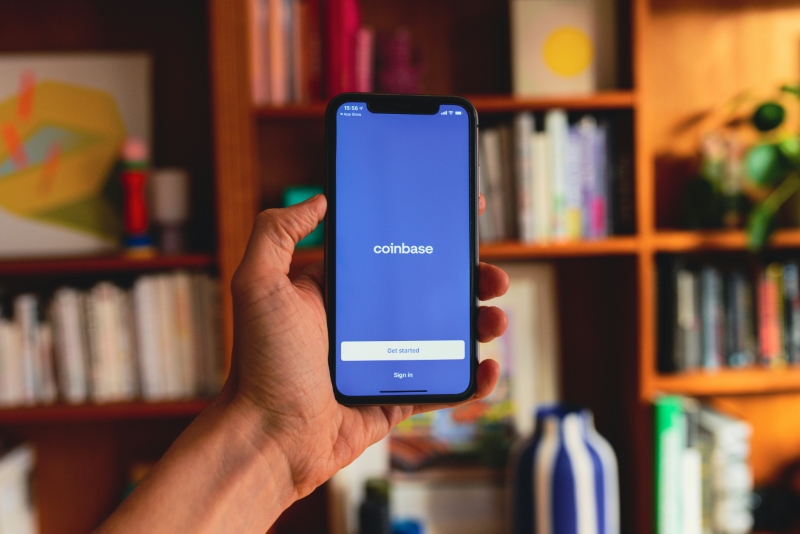
Remember when crypto was just for trading and hodling? Those days are gone. Now, platforms like Coinbase and BitPay are integrating directly with payment apps, letting users buy, sell, and spend crypto all in one place. It’s not just about convenience - it’s about making crypto a real part of daily life.
For example, Coinbase Commerce lets merchants accept crypto payments and instantly convert them to fiat, protecting against market volatility. BitPay’s wallet lets you store, swap, and spend crypto, even paying bills and buying gift cards. And Shift Markets is going even further, offering full-stack crypto infrastructure that includes wallets, payments, and liquidity solutions.
This isn’t just a trend - it’s a fundamental shift in how we interact with digital assets. As one industry analyst put it, “The future of crypto isn’t just trading. It’s payments, it’s banking, it’s everyday use.”
-
? Why This Integration Matters: Data and Insights

Let’s talk numbers. According to CoinMarketCap, the total crypto market cap has been hovering around $2.5 trillion in 2025, with daily trading volumes consistently above $100 billion. But what’s really interesting is the growth in payment-related transactions.
On-chain analytics show that the number of daily active addresses for major payment-focused blockchains like Bitcoin and Ethereum has surged. For instance, Ethereum’s daily active addresses have increased by over 30% in the past year, driven largely by payment and DeFi activity.
And it’s not just about volume. The integration of trading platforms with payment apps is also driving adoption in emerging markets. In countries like Nigeria, Vietnam, and Turkey, where traditional banking is limited, crypto payments are becoming a lifeline for businesses and individuals.
-
? How It Works: Behind the Scenes
So, how do these integrations actually work? Most platforms use APIs to connect trading and payment functions. For example, Shift Markets offers a single backend that handles everything from wallet creation to payment processing and liquidity management. This means businesses can accept crypto deposits, automate wallet flows, and convert user capital into trading volume or revenue - all through one system.
Other platforms, like MoonPay and OpenPayd, focus on fiat-to-crypto onramps, making it easy for consumers to buy crypto using traditional payment methods like credit cards and Apple Pay. These solutions are especially popular with NFT marketplaces and consumer platforms.
And let’s not forget about compliance. As crypto payments become more mainstream, regulatory scrutiny is increasing. Platforms like BVNK and OpenPayd are stepping up, offering enterprise-grade compliance, custody, and fraud protection built into their infrastructure.
-
? Real-World Impact: Case Studies and Examples

Let’s look at a real-world example. In 2024, a major e-commerce platform integrated Coinbase Commerce into its checkout process. The result? A 25% increase in international sales, driven by customers in regions with limited access to traditional payment methods.
Another example is BitPay’s partnership with a global travel agency. By accepting crypto payments, the agency was able to tap into a new market of crypto-savvy travelers, boosting revenue and customer satisfaction.
These aren’t isolated incidents. Across the board, businesses are seeing the benefits of integrating trading platforms with payment apps. It’s not just about making more money - it’s about reaching new customers, reducing friction, and staying ahead of the curve.
-
? What’s Next: The Future of Crypto Payments
So, where do we go from here? The integration of trading platforms and payment apps is just the beginning. In the coming years, we can expect even deeper integration, with features like instant fiat conversion, multi-currency wallets, and seamless cross-border payments.
And as the technology matures, we’ll see more innovation in areas like stablecoins, DeFi, and Web3. Platforms like Alchemy and Fireblocks are already leading the way, offering APIs for wallet management, NFT apps, and secure on-chain account management.
But it’s not all sunshine and rainbows. As the market grows, so do the risks. Regulatory challenges, security concerns, and market volatility are all real issues that need to be addressed. But for those who are willing to navigate the complexities, the rewards are huge.
-
Frequently Asked Questions About Trading Platforms Integrating with Payment Apps
Q1: What does it mean when a trading platform integrates with a payment app?
A1: It means users can buy, sell, and spend crypto all in one place, making it easier to use digital assets for everyday transactions.
Q2: How do these integrations benefit businesses?
A2: Businesses can accept crypto payments, instantly convert them to fiat, and reach new customers, especially in regions with limited access to traditional banking.
Q3: Are there any risks to using integrated trading and payment platforms?
A3: Yes, risks include regulatory challenges, security concerns, and market volatility. It’s important to choose platforms with strong compliance and fraud protection.
Q4: What are some popular platforms that offer these integrations?
A4: Popular platforms include Coinbase, BitPay, Shift Markets, MoonPay, and OpenPayd.
Q5: How do these integrations impact the crypto market?
A5: They drive adoption, increase transaction volumes, and open up new opportunities for global commerce, especially in emerging markets.
Q6: What should I look for when choosing a platform for trading and payments?
A6: Look for platforms with strong security, compliance, and fraud protection, as well as seamless integration with your existing systems.
crypto trading platforms
payment apps crypto
blockchain integration
1. https://www.rapyd.net/blog/best-crypto-payment-gateways/
2. https://www.tokenmetrics.com/blog/leading-crypto-apis-2025-trading-price-wallet-integration?0fad35da_page=9&74e29fd5_page=66
3. https://5e-project.eu/top-cryptocurrency-platforms-of-2025-compared/
4. https://www.shiftmarkets.com/blog/top-5-crypto-payment-gateways-for-2025
5. https://www.bitpay.com
6. https://bvnk.com/blog/best-crypto-payment-gateway
7. https://forumpay.com/blog/cryptoworld/the-best-crypto-payment-gateway-in-2025/
8. https://koinly.io/blog/best-crypto-apps/
9. https://ventureburn.com/best-crypto-exchange/






