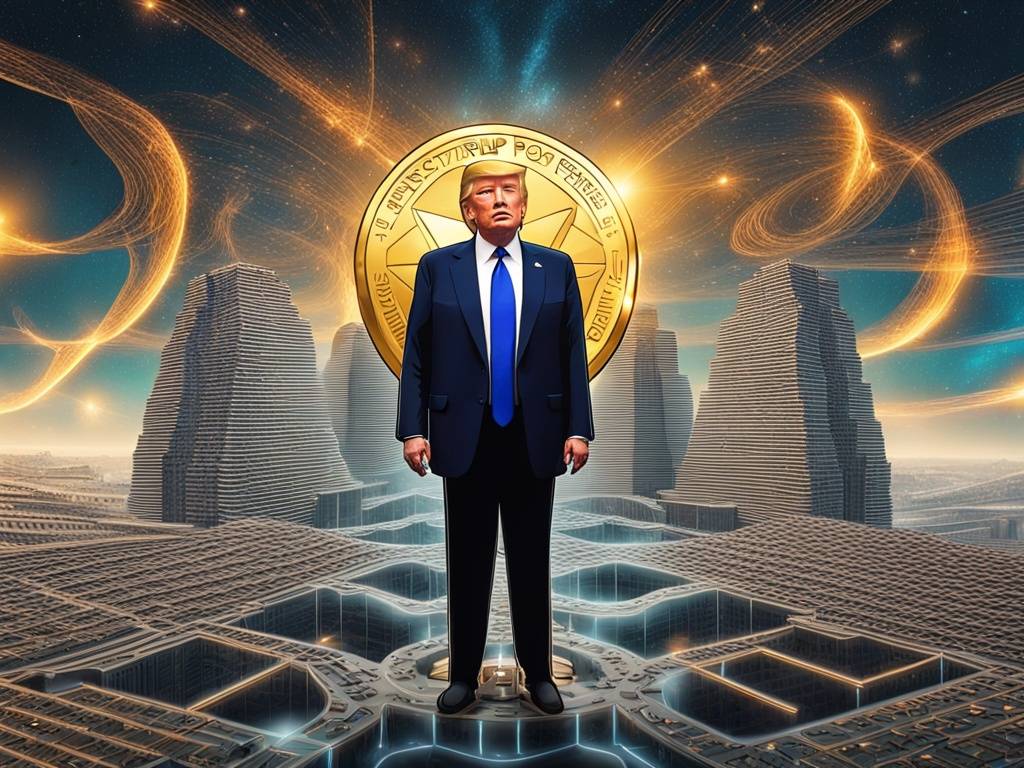
Cryptocurrency Policy Transformation in the Trump Administration
The initial month of the Trump administration initiated a significant overhaul in the U.S. cryptocurrency landscape through executive actions, regulatory adjustments, and strategic appointments. From January 20 to February 19, 2025, various initiatives emerged that fundamentally altered the government’s perspective on digital currencies.
? Key Developments in Cryptocurrency Initiatives
- The Trump family set in motion their crypto endeavors by introducing TRUMP and MELANIA, two memecoins based on the Solana blockchain.
- World Liberty Financial (WLFI), their family-owned entity, acquired $47 million worth of cryptocurrencies, raising their total blockchain asset holdings to a notable $326 million.
- The establishment of the Department of Government Efficiency (DOGE), headed by Elon Musk, raised eyebrows amid legal challenges related to public engagement regulations.
- Significant nominations and structural changes began with the SEC on January 21. Paul Atkins was nominated to take over from Gary Gensler.
On Inauguration Day, the Trump family made an entry into the crypto market. The TRUMP token saw a peak market capitalization of $15 billion before a subsequent decline of 40%. Melania Trump soon followed suit with her own token. Their collective venture, World Liberty Financial, invested heavily in cryptocurrencies, solidifying their position in the space.
The formation of the DOGE department had immediate implications, as it began to navigate legal scrutiny from oversight groups concerned about compliance with federal advisory protocols.
?️ Changes in Regulatory Structure
The SEC witnessed a shake-up with Paul Atkins’ nomination as chair, while Mark Uyeda took on the role of Acting Chair. Under Uyeda, the agency formed a dedicated task force for cryptocurrencies, spearheaded by Commissioner Hester Peirce, aiming to clarify regulations for the growing market.
In a bold move, the administration unveiled “Stargate,” a monumental $500 billion investment initiative targeting the artificial intelligence sector. While backers included industry giants like OpenAI and SoftBank, Musk expressed skepticism regarding their financial backing.
? Pardon and Policy Frameworks

Another significant event occurred on January 22 when Trump granted clemency to Ross Ulbricht, the founder of Silk Road, who had been incarcerated for nearly a decade. This action fulfilled a promise made during his campaign and was supported by various advocacy groups.
On January 23, a crypto working group was formed through an executive order. This group, interestingly, did not include members from the Federal Reserve or the FDIC, and it aims to explore the establishment of a national crypto reserve while creating a robust regulatory framework.
️ Legislative and Market Reactions
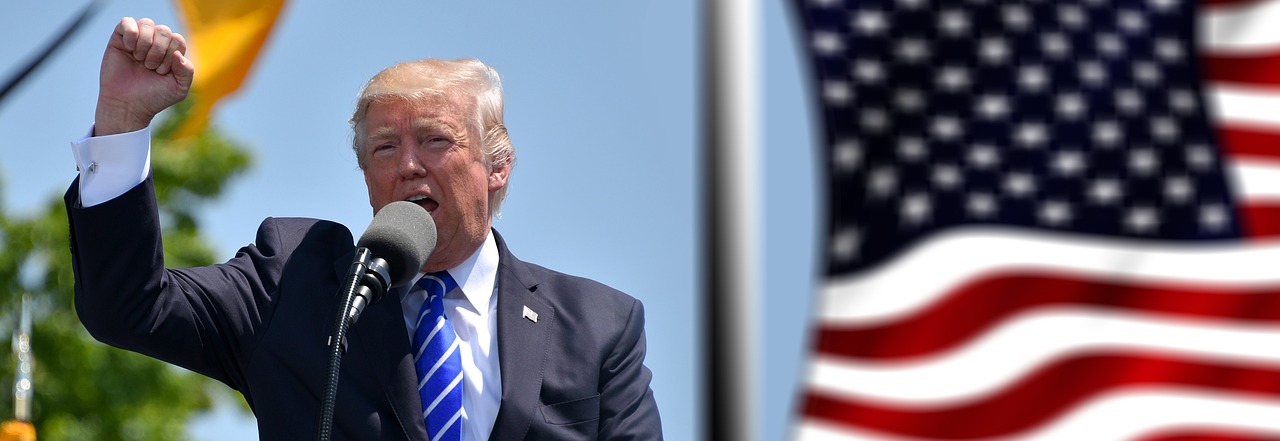
Scott Bessent was confirmed as Treasury Secretary on January 27, garnering a favorable vote, thanks to his pro-cryptocurrency views. He was optimistic about aligning with the administration’s objectives and Republican values in integrating digital assets into the economy.
As February unfolded, the market experienced fluctuations, partly due to imposed tariffs. On February 2, tariffs on imports from Mexico, Canada, and China resulted in marked declines in tech stocks and cryptocurrency values. Although some tariffs were temporarily halted, new tariffs enforced on steel and aluminum further influenced Bitcoin’s performance.
? Worldwide Impact of U.S. Policy Shifts
Leadership transitions continued through February, with Trump dismissing Rohit Chopra from the Consumer Financial Protection Bureau on February 3. CFTC Chair Rostin Behnam also stepped down shortly after. Brian Quintenz, a former commissioner experienced in the crypto sector, was poised to fill this important position.
In an unexpected twist, the U.S. conducted a prisoner swap with Russia on February 12, exchanging Alexander Vinnik, a former operator of the crypto exchange BTC-e, for an American in custody. Vinnik had previously entered a guilty plea for money laundering.
On February 19, Howard Lutnick was confirmed as Commerce Secretary following a narrow Senate vote. Lutnick agreed to divest his interests in Tether and other private assets quickly, underlining the administration’s commitment to a transparent and compliant environment.
? Institutional Adaptation and Future Prospects
The ramifications of these policy developments were felt globally. According to Bitpanda CEO Eric Demuth, actions taken by the U.S. are compelling international markets to adapt, encouraging institutional investors to make longer-term commitments rather than relying on short-term speculation. Over the course of a year, Bitcoin exchange-traded funds (ETFs) reportedly amassed nearly $58 billion in assets.
Banks are responding to this shifting landscape. Demuth anticipates a rise in stablecoin issuance among U.S. banks and increased tokenization of assets, including government securities and property. Furthermore, Congress members aligned with the administration are drafting legislation to encourage stablecoin operations “onshore” in the United States.
?️ State-Level Initiatives and Future Directions
At the state level, legislators are exploring the development of state-based Bitcoin and cryptocurrency reserves. Under Elon Musk’s guidance, the DOGE department is reportedly preparing to examine the SEC’s framework next.
? Hot Take: The Future of Cryptocurrency in America
The transformation of U.S. cryptocurrency policy under the Trump administration indicates a broader acceptance and integration of digital assets into the financial landscape. Watch the trajectory of these developments and their potential impact on both domestic and international markets.
For more insights and further reading, consider exploring these key phrases:
cryptocurrency policy,
crypto initiatives,
political impact on crypto.