
Could Your Crypto Soon Help You Buy a House? ??
Imagine you’re sitting down with a friend over coffee, and they say, “Hey, what if your Bitcoin could help you get a mortgage without having to sell it first?” Sounds like a crypto investor’s dream, right? Well, this conversation might become a reality sooner than you think. Recently, a U.S. regulator ordered that cryptocurrency holdings be counted in mortgage assessments, shaking up both traditional finance and the crypto market. Let’s unpack what this means in detail-as if we’re chatting in that cozy café, and you want to know if your crypto stash can actually unlock your dream home.
Key Takeaways:
- U.S. Federal Housing Finance Agency (FHFA) directed Fannie Mae and Freddie Mac to prepare to include cryptocurrency holdings in mortgage risk assessments without requiring conversion to fiat.
- Only crypto assets custodied on U.S.-regulated centralized exchanges like Coinbase will qualify.
- The move aims to integrate crypto into traditional finance, addressing volatility and risk factors.
- This could open doors for crypto investors to apply for home loans using their digital assets as collateral or proof of wealth.
- Practical tips include verifying crypto custody and understanding volatility adjustments in mortgage applications.
Subscribe to our Social Media for Exclusive Crypto News and Insights 24/7!
? What’s Happening? The U.S. Regulator’s Directive Explained
On a groundbreaking Wednesday, the FHFA, which oversees federal mortgage giants Fannie Mae and Freddie Mac, instructed these housing finance enterprises to start the process of factoring cryptocurrency holdings into mortgage assessments[1][3]. This means if you own Bitcoin, Ethereum, or even stablecoins held on platforms regulated by U.S. authorities, you might soon count these as assets when applying for a mortgage.
Previously, crypto holders had a tough road: to get their digital assets considered in loan applications, they had to first convert them into U.S. dollars-often at a loss or inconvenience[1]. Now, the new directive eliminates that stressful step, potentially allowing investors to keep their crypto investments intact during the loan process.
Why Fannie Mae and Freddie Mac? These two entities guarantee most residential mortgages in the U.S., acting as the backbone of the housing finance system. By including crypto assets, they’re aligning mortgage lending with evolving investment landscapes.
? Handling the Wild West: Risk and Volatility Measures

Of course, crypto’s notorious volatility can’t be ignored. The FHFA explicitly mentioned that any policy adjusting for crypto assets must include risk-based measures to protect the mortgage system from wild price swings[1]. For example:
- Adjusting the valuation of crypto assets based on their market volatility.
- Imposing stricter reserve requirements if a large portion of reserve assets are in cryptocurrency.
It means that while crypto can be counted, lenders will be cautious and prudent, balancing innovation with regulatory prudence[1][4].
? What Does This Mean for the Crypto Market? A Crypto Analyst’s View
From a crypto analyst’s lens, this move is monumental. It’s a clear signal that crypto is stepping out of the “fringe investment” category and moving firmly into mainstream finance. Having your Bitcoin or Ethereum accepted as part of a mortgage assessment demonstrates growing regulatory confidence.
This integration may result in:
- Increased demand for crypto in the housing finance sector, as investors see practical benefits beyond speculation.
- Boosted institutional interest, as big lenders and mortgage brokers prepare infrastructure for crypto-based asset verification.
- Higher crypto prices, driven by the perception of legitimacy and utility in real-world financial transactions.
But it’s not all sunshine. The caution around volatility means that crypto investors need to be aware their assets won’t simply be treated like cash equivalents. There will be a discount or risk adjustment applied, especially in fluctuating markets. It also highlights the importance of custody on regulated U.S. exchanges, since only verified and traceable crypto assets qualify[1].
? Practical Tips for Crypto Investors Eyeing Mortgages

If you’re a crypto investor dreaming of combining your digital wealth with traditional mortgage financing, here’s the game plan:
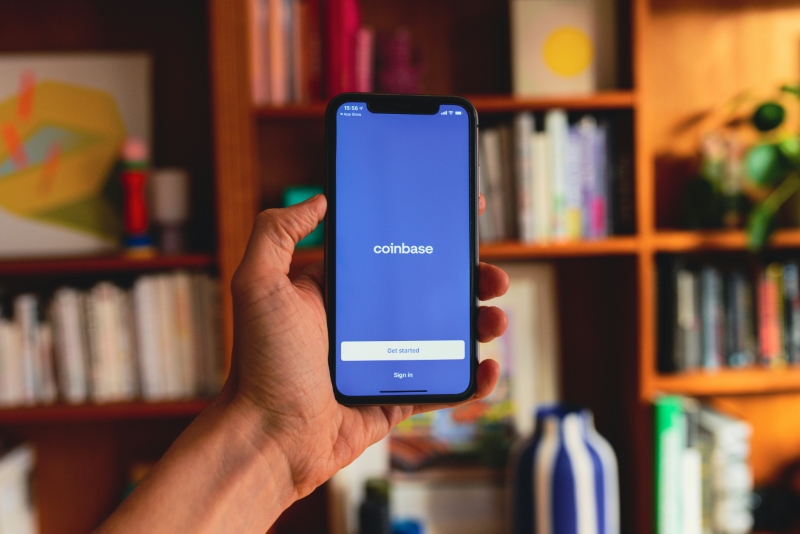
- Keep Your Crypto on Regulated Exchanges: Use U.S.-based, regulated centralized exchanges like Coinbase to custody your assets. This ensures they can be verified by financial institutions.
- Prepare for Volatility Discounts: Expect lenders to adjust the value of your crypto holdings in mortgage assessments to mitigate risk; maintain a buffer in your portfolio.
- Maintain Documentation: Record all transactions and holdings clearly. Transparency helps mortgage underwriters verify your assets without hassle.
- Consult Mortgage Experts Early: Work with lenders familiar with crypto to understand how they implement FHFA guidelines in practice.
- Have a Diversified Asset Approach: While crypto inclusion is promising, don’t rely solely on it-include traditional assets for a smoother application.
? A Friendly Chat: Personal Thoughts on This Shift
You know, this shift feels like the financial world acknowledging that crypto isn’t just a passing fad-it’s becoming part of our daily economic fabric. Mortgages are about trust and risk management, and integrating crypto here is akin to saying, “We believe in the staying power of digital assets, but let’s be smart about it.”
For investors who have held crypto patiently, this could be the breakthrough they’ve been waiting for: turning digital coins into tangible assets like home ownership without sacrificing their investment. It’s a bridge between two worlds, making that dream home feel just a little closer-with your crypto wallet in your pocket.
? Food for Thought: What Will This Mean for Future Financial Products?
As we wrap up this friendly chat, I invite you to ponder: if crypto can qualify for mortgages, what other traditional markets will it penetrate next? Will we soon see crypto-backed education loans, auto loans, or even retirement accounts? Just how far will the marriage of blockchain and conventional finance go? The possibilities are as vast as the blockchain itself.
Explore More About Cryptocurrency and Mortgages:
- https://lolacoin.org/news/U.S/. Regulator Orders Crypto Holdings Counted in Mortgage Assessments
- https://lolacoin.org/news/cryptocurrency/ mortgage assessment
- https://lolacoin.org/news/Fannie/ Mae Freddie Mac crypto
Sources:
- https://fortune.com/crypto/2025/06/26/trump-administration-crypto-assets-home-loan-mortgage-applications-fannie-mae-freddie-mac/
- https://subscriber.politicopro.com/article/2025/06/fannie-freddie-to-develop-proposals-for-considering-crypto-as-an-asset-00423951
- https://www.theadviser.com.au/compliance/47243-us-regulator-orders-lending-giants-to-consider-crypto-for-mortgages
- https://www.pymnts.com/cryptocurrency/2025/fannie-mae-and-freddie-mac-ordered-to-consider-crypto-as-asset-for-mortgages/
- https://cointelegraph.com/news/federal-housing-finance-agency-investigates-crypto-for-mortgage-qualification






