
Ethereum’s Rollercoaster Ride: What Fidelity’s Massive Transfer Means for Investors
Imagine sitting at a lively dinner table, surrounded by friends deeply engaged in a discussion about the latest trends in the crypto market. The conversation suddenly pivots to Ethereum (ETH) and a recent headline that’s made waves: Fidelity’s significant transfer of over $213 million worth of ETH to an exchange. Now, what does this mean for you as a potential investor, or perhaps just someone curious about the world of cryptocurrency? Let’s dig into this, and I promise to keep it light and digestible!
Key Takeaways
- Fidelity’s Transfer: Fidelity recently moved $213 million of ETH to Coinbase, sparking concern in the crypto market.
- Increased Selling Pressure: This influx of ETH suggests rising selling pressure, raising eyebrows over potential price drops.
- Market Demand Dilemmas: Low demand within the market could exacerbate price drops if sellers outweigh buyers.
- Price Predictions: Analysts foresee potential price fluctuations based on shifting demand and supply dynamics.
Subscribe to our Social Media for Exclusive Crypto News and Insights 24/7!
Breaking Down Fidelity’s Impact on Ethereum

Alright, let’s get into the crux of the matter. When you hear of a financial giant like Fidelity transferring such a hefty amount of ETH to an exchange like Coinbase, it’s bound to stir up a mix of reactions. For the past couple of days, this transfer has raised red flags for many investors who recall the volatile nature of cryptocurrencies.
Fidelity, known for its extensive asset management clientele, recently conducted several transactions transferring ETH through their crypto department. For the uninitiated, when a large amount of cryptocurrency is transferred to an exchange, it typically signals that holders might be looking to sell. Think of it like a big shipment of apples arriving at a farmer’s market; if everyone decides it’s time to sell their apples at once, the market may become saturated, driving down prices.
The Consequences of Influx on Price
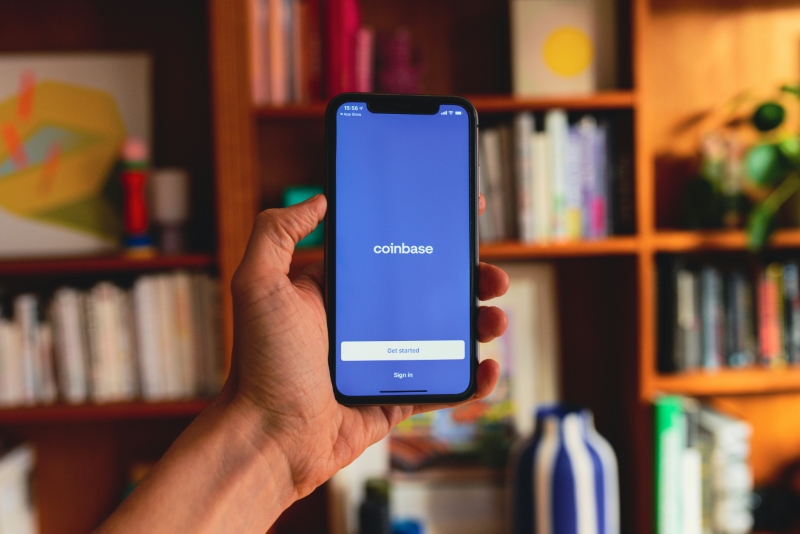
Now, consider what happens when a staggering amount of ETH lands on exchanges. According to reports, just after Fidelity’s transfers, there was a massive spike in Ethereum exchange inflow - over 550,930 ETH was sent to exchange addresses in just one day! When you have such significant selling activity, you usually run into issues if there aren’t enough buyers to absorb that supply.
Here’s where it can get a bit sticky: if more ETH is available, but demand doesn’t keep pace, we might see prices decrease. You can visualize this concept much like a fashion sale where the latest trends flood the market. If there aren’t enough shoppers, the prices will drop, and suddenly, everyone is looking for a bargain.
Demand Dynamics: A Tug of War
Now, consider this alongside the market’s current demand situation. Analysts have been observing that the demand for ETH is appearing weaker than desired. In basic terms, when we look at the Relative Strength Index (RSI) - an indicator that gauges the momentum of an asset - ETH’s readings are not encouraging. The RSI values reflect that buying pressure is dwindling. If this trend continues, we could see ETH slipping further down in price, possibly even below the $3,249 mark.
As a potential investor, this should raise some eyebrows. It’s like watching a rollercoaster climb to the top; you know there’s a drop coming, and it could either be a hair-raising plunge or a steady descent.
A Balancing Act: What’s Next for Ethereum?
It’s crucial to keep an eye not only on how much ETH is being sold but also on the market’s reaction. If the inflow of ETH collides with a rise in demand - say a new wave of enthusiastic buyers enters the market - we might just see the price rally instead. It’s that delicate push-and-pull between sellers and buyers that keeps investors on their toes.
To add a bit of levity here, navigating the crypto world can feel like trying to predict the weather; one moment it can feel scorching hot with profits, and the next might bring a chilling blizzard of losses.
Conclusion: Time for Reflection
So, as we sit back after our lively meal and ponder the implications of Fidelity’s ETH transfer, I’d encourage you to think about your own investment strategy. Are you prepared for the ups and downs of the market, or do the recent movements cause you to reconsider your position in Ethereum or cryptocurrencies in general?
In the end, the crypto market is ever-changing, filled with potential both for gain and loss. It’s the 21st-century version of the gold rush or the wild west, where opportunity walks hand in hand with uncertainty.
Which road will you choose on your investment journey, knowing that navigating these crypto currents takes a mix of informed decisions and sometimes a dash of good luck?
For further exploration on the current dynamics of Ethereum market trends, here are a few links you might find interesting:
Let’s keep the conversation going!