Can the Fed Really Shut the Door on Crypto Banks? Let’s Unpack What This Means for the Market
If you’ve been following the crypto world, you probably caught wind of a big ruling recently: the U.S. appeals court upheld the Federal Reserve’s authority to reject crypto firms’ access to Fed master accounts. This isn’t just another legal skirmish; it’s a landmark decision shaping how digital asset banks interface with the traditional financial system. So, what does this mean for crypto banks and the broader market? How might investors and innovators navigate these regulatory waters? Let’s dive deep.
First off, what exactly happened? In 2020, Custodia Bank, a Wyoming-based crypto-focused bank, applied for access to the Federal Reserve’s master account-a special type of account that lets banks directly use the Fed’s payment infrastructure. This access is crucial because without it, crypto banks have to rely on third-party banks to process payments, adding cost and complexity.
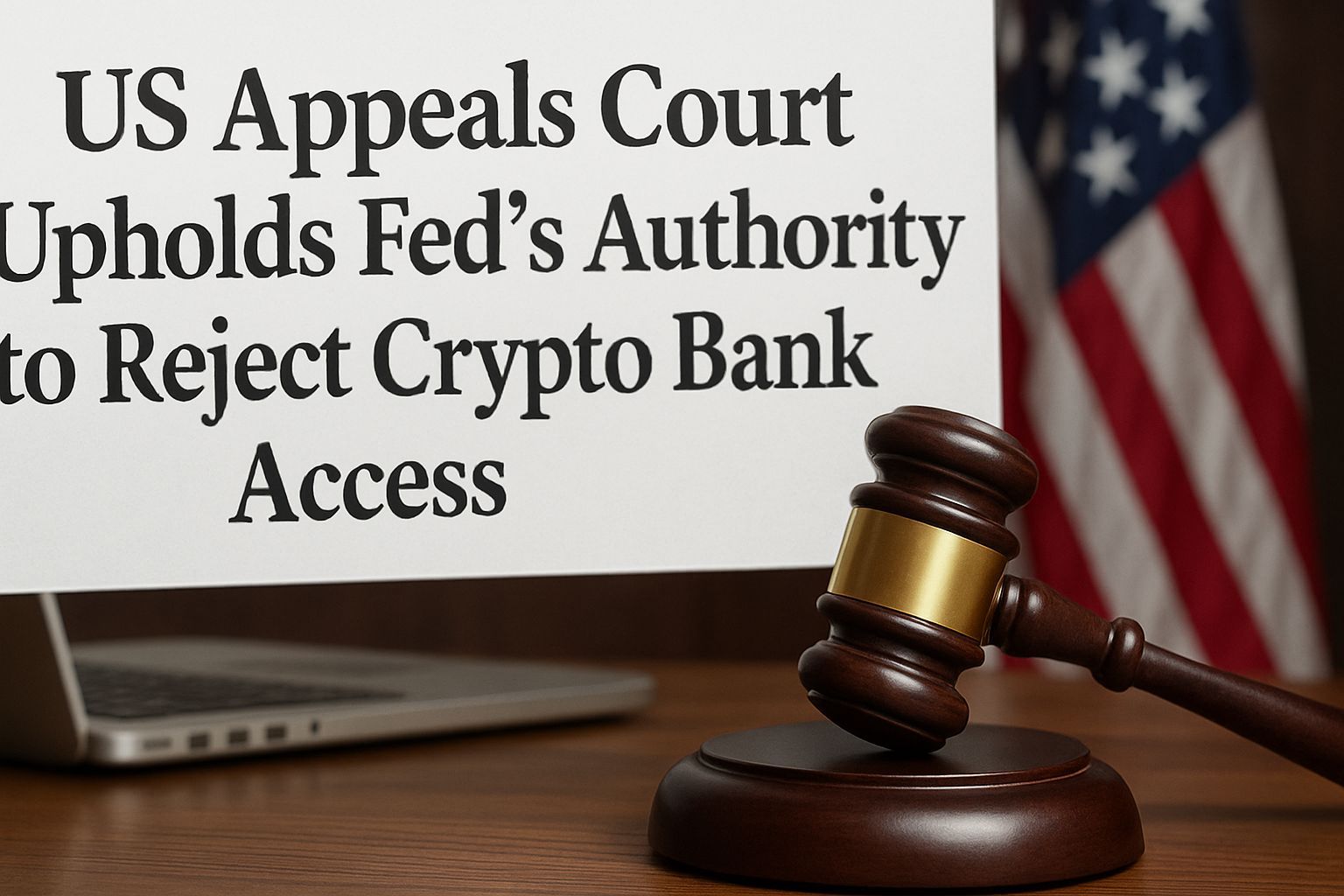
However, the Fed rejected Custodia’s application, citing concerns about the risks Custodia’s crypto business model posed to the broader financial system. After a legal battle through the district court and then the U.S. Court of Appeals for the Tenth Circuit, the court sided with the Fed. They ruled that the Federal Reserve has full discretion to approve or deny master account access, and they are not legally required to grant master accounts to all eligible institutions, especially if the firm is considered risky[1][2][5]. Here is an image depicting this pivotal moment for added perspective:
Subscribe to our Social Media for Exclusive Crypto News and Insights 24/7!
? Key Takeaways: What This Means for Crypto and Finance
- The Federal Reserve confirmed it can deny master account access to crypto banks if deemed risky, reaffirming its gatekeeper role to protect the financial system.
- Crypto banks without Fed master accounts must depend on partner banks, which can increase costs and operational friction.
- The ruling may slow crypto banking innovation by limiting direct Fed integration.
- Custodia Bank may still petition the full appellate court or pursue other litigation options.
- Traditional banks have faced their own risks, but the Fed views crypto banks as introducing new and unique risks warranting stricter scrutiny[1][2][3][4][5].
? What’s a Fed Master Account, and Why Does It Matter? ?

Think of a master account as the golden key to the U.S. financial system’s backdoor. It lets banks transact directly using the Reserve Banks’ payment services-accelerating payments, reducing costs, and eliminating intermediaries.
For a crypto bank like Custodia, it means smoother, faster fiat on- and off-ramps, better integration with payment networks, and the ability to innovate with fewer overheads. Without it, crypto firms have to “rent” access from partner banks, which can be slow, expensive, and sometimes unreliable.
The Fed’s refusal to grant this to Custodia confirms that meeting statutory eligibility is not enough; operational risk is a critical factor. The Court emphasized that protecting the entire payment system from potentially risky players is paramount, even if those players meet basic eligibility criteria[1][5].
️ The Legal Battle and Court’s Reasoning: A Closer Look ?

Custodia argued passionately that the Fed was legally bound to provide access once statutory criteria were met, mainly under the Monetary Control Act. They claimed the Fed’s discretion shouldn’t be absolute and that the bank’s innovative business model deserved a chance.
However, the courts saw it differently. The majority ruling stated that the statutes offer the Federal Reserve discretion to deny requests to maintain system safety. Chiefly, the Fed needs to manage risk, especially with new financial models like crypto that lack a long track record.
Of note, Judge Timothy Tymkovich dissented, opposing the majority view by highlighting that traditional banks can be just as risky and that the Fed should seek “policy innovation” rather than blunt rejections. His opinion underscores an ongoing debate: how to balance innovation opportunities with systemic safety[1][5].
This split illustrates the tension between regulatory caution and crypto’s disruption. It also leaves the door ajar for future appeals or legislative tweaks.
? What This Ruling Means for the Crypto Market and Investors ??
So, how will crypto markets react? Here’s the analyst’s outlook:
- Innovation may slow as newer crypto banks face higher barriers to integrating with the Fed’s core payment infrastructure.
- Existing crypto banks might face increased operational costs, passing those expenses to users or cutting back services.
- Without direct master accounts, firms may remain economically and operationally dependent on legacy banks, perpetuating a bottleneck effect and lessening decentralization promises.
- Regulatory clarity, however, may improve investor confidence-knowing the Fed has a clear mandate to protect the system might prevent sudden shocks from risky players.
- Custodia’s legal persistence and Fed’s stance may trigger legislative responses aiming to create specific frameworks for crypto banks.
For investors, it’s a mixed bag: The decision protects the system but cools some of the rapid growth anticipated for crypto-first banking services. Still, the crypto ecosystem tends to pivot quickly-expect more efforts to innovate around these banking constraints[1][2][3][4].
?️ Practical Tips for Crypto Investors and Businesses Navigating This Landscape ?
If you’re invested or interested in the crypto and banking fusion, here’s how to stay ahead:
- Watch regulatory updates closely-the Fed’s decisions set precedent, but Congress or other bodies could change the playground.
- Diversify exposure - the ruling reminds us that crypto banking infrastructure remains vulnerable to regulatory shifts.
- Look beyond master accounts-explore partnerships with traditional banks that have master accounts or new fintech rails.
- Push for strong governance and risk management in crypto banking projects; demonstrating sound controls might ease future regulatory barriers.
- For investors, spreading risk between crypto-native banks and traditional banks with crypto services could offer a balance.
- Stay informed about legal developments with Custodia and others-appeals or new rulings could reshape market dynamics quickly.
? Personal Insights: Why This Ruling Might Be a Wake-Up Call-But Not the End of the Road
Frankly, as a crypto analyst who’s seen regulatory roller coasters, this ruling is not shocking but important. The Fed’s role is to guard America’s financial heartbeat, so exercising discretion makes sense. It’s a reminder that crypto cannot exist in a regulatory vacuum if it wants mainstream banking privileges.
However, this isn’t a dead end. The dissent and ongoing legal discussions suggest the market and regulators are still figuring out how to innovate safely. Crypto firms will likely sharpen risk controls and work harder with regulators. The market is resilient-once these frictions ease, we may see stronger, more compliant crypto banking emerge that benefits everyone.
This ruling might slow momentum but also forces the industry to mature. That’s a win for long-term investors who value sustainability over fast hype.
? Final Thought to Ponder
If innovation in crypto banking is the future, how can we balance the Fed’s need for security without strapping the very innovation that could transform finance? Are regulators and crypto firms ready to collaborate on solutions or destined for ongoing turf wars?
US appeals court upholds Fed’s authority to reject crypto bank access
crypto bank Custodia master account
Fed master account access rejection
Sources:
[1] https://bankingjournal.aba.com/2025/10/appeals-court-rejects-crypto-firms-motion-for-fed-master-account-access/
[2] https://www.americanbanker.com/payments/news/appeals-court-sides-with-federal-reserve-in-custodia-bank-case
[3] https://www.coindesk.com/policy/2025/10/31/crypto-bank-custodia-suffers-another-court-rejection-in-fed-master-account-pursuit
[4] https://bpi.com/bpi-statement-on-appeals-court-ruling-in-custodia-fed-master-account-case/
[5] https://law.justia.com/cases/federal/appellate-courts/ca10/24-8024/24-8024-2025-10-31.html