

Can Digital Coins Really Unlock Your Next Dream Home? Let’s Dive Into the Crypto-Backed Mortgage Boom
The US housing crisis isn’t just about sky-high prices and scarce inventory anymore-it’s now intersecting with the fast-evolving world of cryptocurrency. With the US housing crisis sparking a boom in crypto-backed mortgages, buyers and investors are wondering: Could your digital wallet help you finally get those house keys? This shift is shaking up both the housing and crypto markets in ways that demand attention.
The Federal Housing Finance Agency (FHFA) recently announced a groundbreaking move: allowing major mortgage players like Fannie Mae and Freddie Mac to recognize cryptocurrency holdings as qualifying assets for home loans without forcing borrowers to cash out into dollars first[1][2]. This means crypto holders-estimated at about 65 million Americans-may soon leverage Bitcoin, Ethereum, and other digital assets to secure mortgages, sidestepping the usual volatility risk that has kept crypto and housing worlds apart.
Key Takeaways from the Crypto-Backed Mortgage Surge ??
Subscribe to our Social Media for Exclusive Crypto News and Insights 24/7!
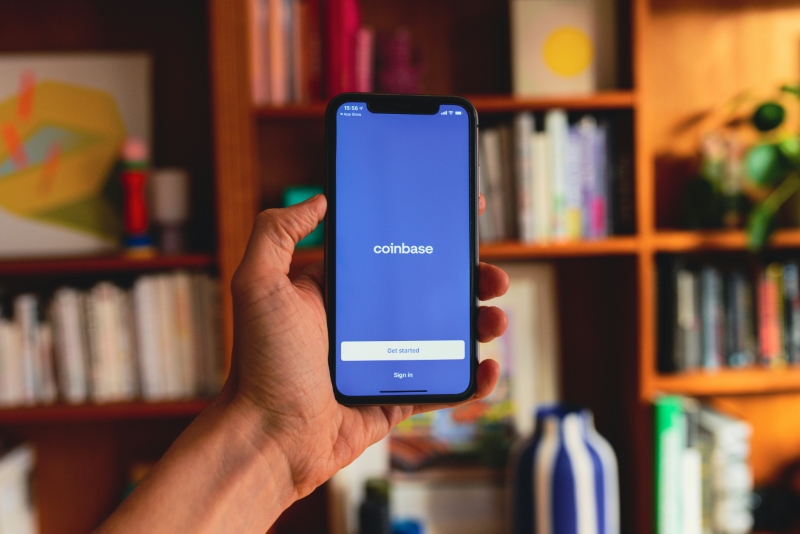
- FHFA’s directive mandates Fannie Mae and Freddie Mac to accept crypto assets held on regulated exchanges (like Coinbase or Gemini) as collateral for mortgages.
- This policy opens a pathway to use crypto assets directly in home loan applications, a major shift from traditional cash or stock-based mortgage qualifications[1][2].
- Blockchain fintech firms like Milo Credit already lead the way, issuing over $250 million in crypto-backed mortgages, pioneering models that mitigate crypto volatility risk[2].
- The US housing market remains strained by high interest rates and low inventory, making new financing options increasingly critical[1][3].
- Experts warn of risks, mainly crypto volatility and regulatory uncertainties, which still temper full mainstream adoption[5].
? What This Crypto-Housing Marriage Means for the Crypto Market
First off, this move takes crypto out of the fringe and firmly pushes it into the mainstream financial ecosystem. As a crypto analyst, I see this as a watershed moment-crypto evolves from purely speculative assets to functional financial tools.
Allowing crypto as an asset for mortgages signals growing institutional confidence and a regulatory nod that digital currencies hold real value beyond trading speculation. This will likely encourage more fintech startups to innovate blockchain-powered mortgage solutions, sparking a new wave of growth in a sector historically monopolized by traditional banks[2].
With over 20% of Americans owning some form of crypto, this change could significantly widen the crypto investors’ pool who benefit from more traditional wealth-building avenues, such as homeownership. Unlike before, crypto holders won’t have to liquidate assets (which can trigger taxable events) just to qualify for loans, comfortably bridging the gap between digital wealth and tangible assets[1][2].
However, volatility remains the elephant in the room. Bitcoin’s wild price swings-from peaks near $60k to downturns around $20k-introduce risk. The FHFA’s requirement for crypto to be held on regulated exchanges and loans to be over-collateralized are crucial to adding guardrails[2]. Yet, investors and lenders must remain vigilant. The crypto market’s tendency for sudden drops could still complicate repayments, raising questions about how resilient this hybrid market will be long-term[5].
? The Housing Market Implications: More Than Just Another Loan Option

The broader housing market faces numerous struggles: high mortgage rates, insufficient supply of houses, and affordability woes have left many potential buyers sidelined[1][4]. Crypto-back mortgages could provide an alternative funding source, especially for younger, tech-savvy buyers who have built wealth in digital currencies but lack traditional savings.
This innovation might increase liquidity and transaction volume, potentially stimulating demand in stagnant markets. Still, consumer advocates voice caution-crypto’s volatility and light regulation might introduce new vulnerabilities to the housing sector, which remains a cornerstone of the national economy[3].
Banks and mortgage lenders will have to adapt quickly, collaborating with blockchain fintechs to integrate new risk assessment models. Firms like Milo Credit and Beeline Title are already spearheading these efforts, showing how over-collateralization models can protect lenders from market fluctuations[2].
Practical Tips for Investors in the Crypto-Mortgage Space ?️?
- Diversify Your Holdings: Don’t put all your eggs in one crypto basket. Diversifying across assets can reduce risk if one coin crashes.
- Keep Crypto on Regulated Exchanges: FHFA’s guidance requires holding crypto on transparent, regulated platforms. This not only qualifies you for mortgages but adds security to your holdings.
- Understand Loan Terms Thoroughly: Crypto-backed loans may require more collateral than traditional loans. Be prepared for margin requirements and how price fluctuations might affect your equity.
- Monitor Market Volatility: Cryptocurrency prices can swing unexpectedly. Always have a buffer and contingency plan in place.
- Work with Blockchain-Savvy Lenders: Choose mortgage providers experienced in crypto-backed loans, who understand the nuances and regulatory landscape.
? Personal Insights: The Dawn of a New Financial Frontier?
From a crypto analyst’s perspective, the merging of crypto and mortgages isn’t just a trend-it’s a fundamental evolution in finance. It offers a fresh lifeline to millions facing housing affordability issues while presenting exciting opportunities for crypto adoption in everyday life.
Yet, it requires caution. The housing market underpins the economy; mixing it with crypto’s volatility could be a double-edged sword. The FHFA’s cautious approach-regulated exchanges, over-collateralization-reflects a measured optimism, protecting both borrowers and lenders.
If the right balance is struck, crypto-backed mortgages could democratize home buying, let digital assets fulfill their promise as real wealth, and signal that cryptocurrencies have matured far beyond speculation. But let’s be real: nothing’s ever without risk in finance, especially when the cryptoverse is involved!
Are we witnessing the start of a fully integrated crypto and real estate market? Or is this a bold experiment that will force regulators and investors to rethink risk in ways we can’t yet predict? Either way, this exciting crossroad is reshaping how we think about money and ownership in the digital age.
Explore more about crypto-backed mortgages, the US housing crisis, and crypto market analysis.
Sources:
- https://money.com/crypto-assets-mortgage-applications/
- https://www.ainvest.com/news/crypto-meets-mortgages-blockchain-fintech-firms-kings-housing-finance-2506/
- https://www.spokesman.com/stories/2025/jun/29/crypto-industry-moves-into-the-us-housing-market/
- https://www.seattletimes.com/business/crypto-industry-moves-into-the-u-s-housing-market/
- https://www.businessinsider.com/crypto-mortgages-risky-bitcoin-fannie-mae-lender-coinbase-2025-6






