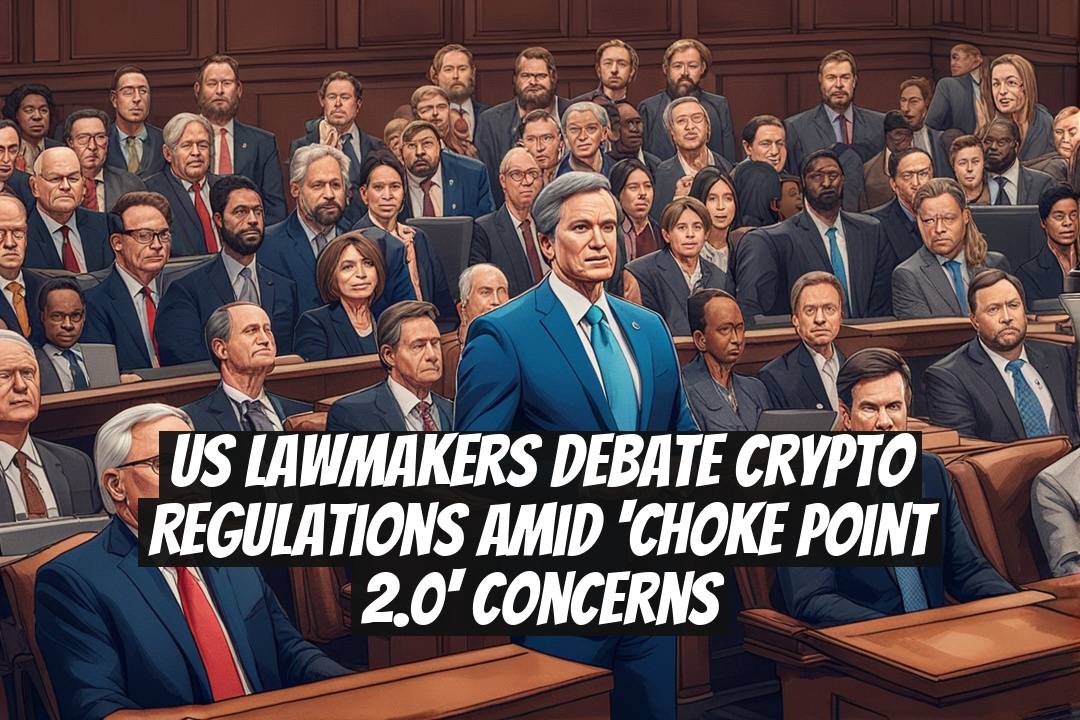
Are We Standing at the Edge of a Crypto Revolution or Regulatory Choke Point?
If you’ve been following the crypto world lately, you’ve probably heard the buzzwords: US lawmakers debate crypto regulations, Choke Point 2.0, and historic crypto legislation. It’s not just talk anymore-2025 is shaping up to be the year when the United States finally steps into the global crypto spotlight with a wave of new laws and debates that could redefine the future of digital assets. But what does all this mean for you, the investor, the entrepreneur, or just the curious observer? Let’s dive in and unpack the drama, the data, and the real-world implications.
Key Takeaways ?
- The US is moving fast on crypto regulation with the GENIUS Act, CLARITY Act, and Anti-CBDC Act.
- Lawmakers are grappling with the “Choke Point 2.0” concerns-fears that overregulation could stifle innovation.
- The crypto market is reacting with a mix of excitement and anxiety as clarity emerges.
- Practical tips for investors: stay informed, diversify, and watch for regulatory shifts.
- The debate is far from over, and the outcome could shape the global crypto landscape for years.
Subscribe to our Social Media for Exclusive Crypto News and Insights 24/7!
?️ The Storm of Crypto Regulation: What’s Happening?

The US crypto scene has been a rollercoaster for years. For too long, the industry operated in a gray area, with agencies like the SEC and CFTC battling over jurisdiction and enforcement. But in 2025, something changed. Lawmakers, spurred by the Trump administration’s push for innovation, launched what they called “Crypto Week”-a legislative sprint that saw the passage of three landmark bills: the GENIUS Act, the CLARITY Act, and the Anti-CBDC Surveillance State Act [1][2][3][4][5].
The GENIUS Act is now law, creating the first federal framework for stablecoins. It sets rules for issuers and requires backing for dollar-backed payment stablecoins, aiming to protect consumers and investors [1][2][5][8]. The CLARITY Act is still pending in the Senate, but it’s designed to clarify the regulatory perimeter for digital assets, transferring jurisdiction from the SEC to the CFTC and defining rules for exchanges, brokers, and dealers [3][5][6]. And the Anti-CBDC Act? It’s a bold move to block the Federal Reserve from launching a central bank digital currency (CBDC) without explicit congressional approval, driven by concerns over privacy and government overreach [1][2][5].
? Choke Point 2.0: The Fear of Overregulation
Now, let’s talk about the elephant in the room: Choke Point 2.0. This term has been floating around crypto circles, referring to the fear that the US government’s new regulations could become a choke point for innovation. Critics worry that while the new laws aim to bring clarity, they might also stifle the very innovation they’re supposed to protect [2][5].
Supporters of the legislation argue that clear rules are essential for investor protection and market integrity. They point to the EU and UK, which have already enacted comprehensive crypto laws, as models for the US to follow [2]. But others, including some industry insiders, warn that the US could become a global outlier if it goes too far in restricting innovation, especially with the Anti-CBDC Act potentially making the US the only country to ban a CBDC [5].
? What Does This Mean for the Crypto Market?
The crypto market is reacting with a mix of excitement and anxiety. On one hand, the new regulations could bring much-needed stability and attract institutional investors who’ve been wary of the Wild West nature of crypto. On the other hand, there’s a real risk that overregulation could drive innovation overseas, where other countries are moving faster to embrace digital assets [2][5].
Here’s a quick breakdown of the potential impacts:
- Stablecoins: The GENIUS Act could make stablecoins more trustworthy, but it might also limit their flexibility and innovation [1][2][5][8].
- Exchanges and Brokers: The CLARITY Act could clarify the rules for crypto exchanges, but it might also increase compliance costs and reduce competition [3][5][6].
- CBDC: The Anti-CBDC Act could protect privacy, but it might also hinder the US’s ability to compete in the global digital currency race [1][2][5].
? Practical Tips for Investors
If you’re an investor, here are some practical tips to navigate this new regulatory landscape:
- Stay Informed: Keep an eye on the latest developments in crypto regulation. The rules are changing fast, and staying informed could mean the difference between profit and loss.
- Diversify: Don’t put all your eggs in one basket. Diversify your crypto portfolio to spread risk across different assets and jurisdictions.
- Watch for Regulatory Shifts: Pay attention to how the new laws are being enforced. Consistent and fair enforcement is key to a healthy market [5].
- Engage with the Community: Join crypto forums and communities to share insights and learn from others. The collective wisdom of the community can be a valuable resource.
? Personal Insights: The Human Side of Crypto Regulation
As a crypto analyst, I’ve seen the industry go from a niche curiosity to a global phenomenon. The debates over regulation are not just about laws and rules-they’re about the future of money, privacy, and innovation. The US lawmakers’ push for clarity is a positive step, but it’s also a reminder that the path to progress is rarely smooth.
I can’t help but feel a mix of excitement and apprehension. On one hand, I’m thrilled to see the US finally stepping up to the plate. On the other hand, I worry that the fear of “Choke Point 2.0” could lead to missed opportunities. The key, I believe, is balance-finding a way to protect consumers and investors without stifling the innovation that makes crypto so exciting.
? The Global Context: Where Does the US Stand?
The US is not alone in its regulatory journey. The EU and UK have already enacted comprehensive crypto laws, focusing on market integrity, investor protection, and innovation [2]. The US’s new laws could help it catch up, but there’s a risk that the Anti-CBDC Act could make the US a global outlier, especially if other countries continue to develop their own CBDCs [5].
? What’s Next for Crypto Regulation?
The debate is far from over. With the GENIUS Act now law and the CLARITY Act and Anti-CBDC Act pending in the Senate, 2025 is shaping up to be a pivotal year for digital asset regulation [2][3][5]. Stakeholders should expect continued debate and incremental refinement as regulatory clarity continues to take shape [2].
? Final Thoughts: Are We at a Crossroads?
As we stand at the edge of this crypto revolution, it’s worth asking: Are we on the brink of a new era of innovation, or are we heading toward a regulatory choke point that could stifle the very progress we’re trying to achieve? The answer, I believe, lies in the balance we strike between regulation and innovation.
US lawmakers debate crypto regulations
Choke Point 2.0
historic crypto legislation
- https://www.ocorian.com/knowledge-hub/insights/crypto-week-2025-uncertainty-regulation-us-digital-asset-space
- https://caldwelllaw.com/news/crypto-regulation-us-summer-2025-legislation/
- https://www.arnoldporter.com/en/perspectives/advisories/2025/08/clarifying-the-clarity-act
- https://financialservices.house.gov/news/documentsingle.aspx?DocumentID=410793
- https://www.atlanticcouncil.org/blogs/new-atlanticist/four-questions-and-expert-answers-on-the-new-us-cryptocurrency-legislation/
- https://www.congress.gov/bill/119th-congress/house-bill/3633/all-info
- https://www.politico.com/live-updates/2025/11/10/congress/senate-ag-releases-long-awaited-crypto-market-structure-draft-00641759
- https://www.coindesk.com/policy/2025/12/01/u-s-fdic-chief-says-first-genius-act-regulations-heading-for-proposal-this-month