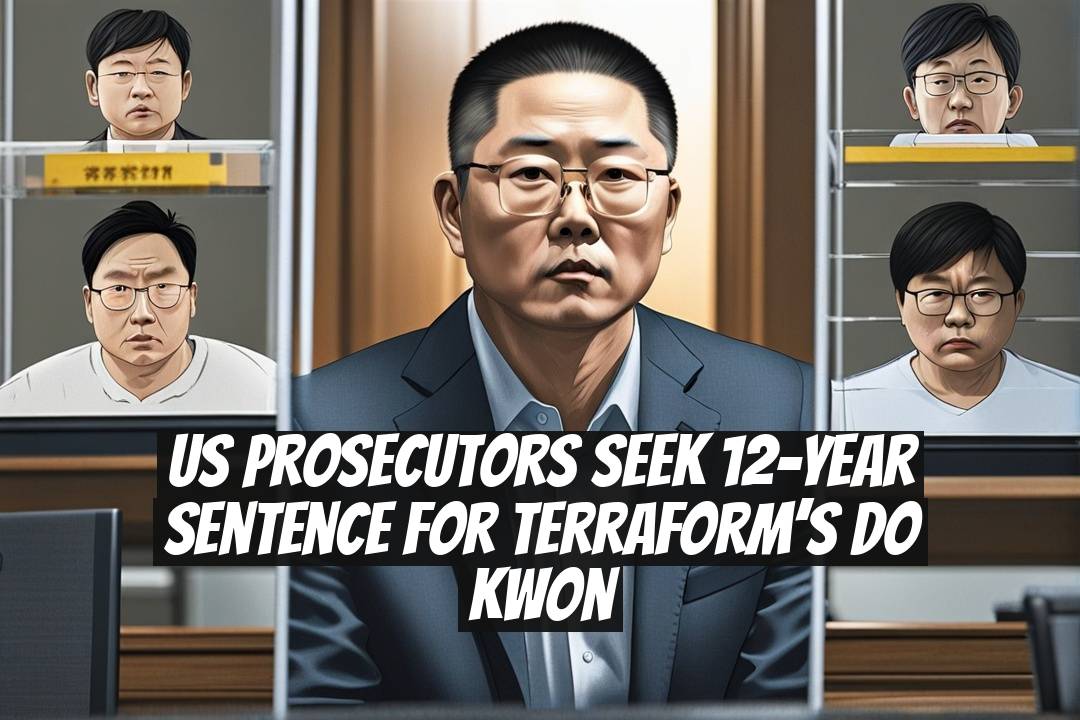
What Does Do Kwon’s 12-Year Sentence Mean for Crypto Investors and the Market’s Future?
The U.S. prosecutors’ recent call for a 12-year prison sentence for Terraform Labs co-founder Do Kwon has sent shockwaves through the cryptocurrency world. As the architect behind the catastrophic collapse of the Terra (LUNA) and TerraUSD (UST) ecosystem, Kwon’s sentencing marks a critical milestone not only for legal accountability in crypto but also for investors’ confidence in the space. With court hearings scheduled imminently and the crypto market still reeling from the 2022 crash, understanding the implications of this event is crucial for anyone navigating crypto investments today.
Key Takeaways: What You Need to Know About Do Kwon’s Sentencing
- U.S. prosecutors have demanded a 12-year prison sentence for Do Kwon, citing his responsibility for a fraud damaging the crypto market to the tune of $40 billion.
- The Terra collapse is considered one of the largest crypto frauds, exceeding losses tied to scandals involving notable figures like Sam Bankman-Fried.
- The prosecution describes the case as “colossal,” emphasizing the systemic impact on global markets and the prolonging of the crypto winter.
- Kwon’s defense proposes a much lighter five-year sentence, highlighting time already served during extradition proceedings.
- Sentencing will be decided on December 11, 2025, drawing considerable attention to how U.S. courts will handle high-profile crypto fraud cases moving forward.
- This case signals a new era of government scrutiny and could affect investor trust and regulatory approaches.
Subscribe to our Social Media for Exclusive Crypto News and Insights 24/7!
️ The 12-Year Prison Sentence Demand: What Exactly Happened?
Do Kwon, the controversial brains behind Terraform Labs, engineered Terra’s downfall through what prosecutors describe as deliberate fraud. The case details reveal that Kwon promoted TerraUSD as an algorithmic stablecoin that was supposedly stable and fully backed. However, internal data - which prosecutors now highlight - revealed it was fundamentally flawed and prone to catastrophic failure[1][3][4].
After the spectacular collapse of Terra in 2022, which wiped away billions from investors’ portfolios almost overnight, Kwon vanished from the spotlight for months. Eventually, he was arrested in Montenegro on unrelated charges before being extradited to the U.S. to face criminal fraud charges including securities fraud, wire fraud, market manipulation, and money laundering[1][3][6].
The U.S. District Court for the Southern District of New York is poised to pass judgment on December 11. Prosecutors are pushing for a 12-year sentence, underscoring how Kwon’s actions eclipsed other infamous crypto frauds in terms of financial destruction and market impact[1][3]. The defense recommends a five-year term, underscoring the debate on appropriate sentencing in these new-age financial crimes[1][3].
? How the Terra Collapse Sent Shockwaves Through the Crypto Market

The Terra disaster isn’t just a tale of one failed project; it was a tremor felt throughout the entire crypto ecosystem. The UST stablecoin failure triggered a domino effect, shaking investor confidence, shaking markets, and extending the notorious “crypto winter” that began in 2022. Prosecutors explicitly link Kwon’s fraud to the broader market malaise, suggesting his actions led to cascading failures across multiple crypto platforms and funds[1][3][4].
Losses tied to Terra have been estimated at around $40 billion - a staggering figure that outstrips losses associated with other crypto fraud scandals, including those involving Sam Bankman-Fried (FTX) and OneCoin’s infamous pyramid scheme[1][3]. This systemic impact exposed the perilous nature of algorithmic stablecoins and weakened the perceived reliability of crypto assets worldwide.
? What This Means for Crypto Investors: A Crypto Analyst’s Take

As someone who’s been watching the crypto market evolve and advising investors in countless coffee chats, here’s my honest take: this sentencing push sends an unmistakable message. Regulatory bodies are no longer turning a blind eye. They are willing to deploy their full might against fraudulent practices in crypto.
- Investor Caution Will Surge: The heavy sentence sought reflects increased governmental resolve. This could deter bad actors but also makes some investors jittery about the regulatory clampdown.
- Shift Towards Transparency and Accountability: Investors must prioritize crypto projects with transparent teams and robust auditing. Terra’s failure teaches us that algorithmic stablecoins, while innovative, carry significant risks.
- Potential Increased Regulation: This case may underpin new regulatory frameworks aimed at protecting investors and rooting out fraudulent schemes in crypto.
- Legal Precedents Are Being Set: The severity of this case will ripple through future prosecutions, potentially ushering in stricter legal standards for crypto misconduct.
If you’re holding crypto assets, understanding these shifts and staying educated is more important than ever.
? Practical Tips for Navigating Crypto After the Do Kwon Case
Whether you’re a seasoned trader or someone casually exploring crypto investment, here are some practical pointers drawn from the fallout around the Terra saga:
- Do Your Due Diligence: Learn about the underlying technology and financial backing of any token or coin before investing. Don’t be swayed solely by hype.
- Diversify to Minimize Risks: Spread your investment across different projects and asset classes. Putting all your eggs in one algorithmic stablecoin basket is asking for trouble.
- Watch for Regulatory News: Keep an eye on regulatory announcements. Governments worldwide are getting tougher on crypto fraud.
- Prefer Established and Audited Projects: Opt for cryptocurrencies with strong community backing, readily available audits, and reputable teams.
- Avoid “Too Good to Be True” Offers: If a yield or return sounds extraordinarily high, it often is. Terra’s failure is a stark reminder that unsustainable promises often lead to fallout.
- Stay Emotionally Grounded: Volatility is the norm in crypto, but emotional investing can compound losses. Education and calm decision-making are your friends.
? Personal Insight: Why Kwon’s Sentence Could Shape Crypto’s Next Chapter
Looking at this as someone deeply interested in crypto’s potential, I see Do Kwon’s sentencing as a pivotal moment - a harsh but necessary reckoning.
The stunning scale of the Terra collapse revealed vulnerabilities in our crypto ecosystem. For real progress, fraudsters must face consequences to restore investor trust and attract mainstream adoption. The government’s push for 12 years tells us these aren’t just financial missteps; they’re crimes with real victims.
Yet, this also pushes the community towards maturity - encouraging better practices, stronger innovations, and more resilience. It’s a shake-up that, yes, stings investors today but could help prevent future disasters tomorrow.
? Three Keyphrases to Remember and Dive Deeper Into
Do Kwon 12-year sentence
Terraform Labs legal case
crypto market impact Terra collapse
As we witness major prosecutions like Do Kwon’s unfold, the big question remains: Will this hard stance by U.S. prosecutors finally lead to a safer, more trustworthy crypto ecosystem - or will the complexity of innovation continue to outpace regulation? What do you think?
Sources:
[1] https://www.financemagnates.com/trending/prosecutors-seek-twelve-years-for-do-kwon-in-terraform-collapse-defense-seeks-five/
[2] https://www.bitget.com/amp/news/detail/12560605098433
[3] https://www.mexc.com/en-NG/news/232478
[4] https://www.coindesk.com/policy/2025/12/05/us-prosecutors-seek-12-year-sentence-for-terraform-founder-do-kwon-in-crypto-fraud-case
[6] https://www.justice.gov/usao-sdny/pr/do-kwon-pleads-guilty-fraud