
Are Decentralized Exchanges the Future as Centralized Platforms Get Their Share of Heat?
In the ever-evolving crypto universe, decentralized exchanges (DEXs) are stealing the spotlight as centralized exchanges (CEXs) face mounting scrutiny over security, transparency, and regulatory hurdles. This shift isn’t just a tech upgrade; it’s reshaping how investors think about trading, privacy, and control. If you’re an investor or crypto enthusiast wondering what role decentralized exchanges play while centralized platforms are under pressure, you’re in for a detailed, down-to-earth explanation packed with insights, humor, and some practical tips.
Key Takeaways: Decentralized vs Centralized Exchanges in 2025 ?
- DEXs prioritize transparency, control, and privacy by leveraging blockchain’s permissionless infrastructure.
- CEXs dominate with liquidity, fiat integration, and user-friendly interfaces, but face trust issues due to centralized control.
- Increased regulatory scrutiny and high-profile failures of some centralized platforms highlight DEXs as appealing alternatives.
- DEX technology is closing the gap with CEXs by adding advanced trading features and improving user experience.
- The overall crypto market is seeing a power shift that questions the old norms and hints at a more decentralized digital future.
Subscribe to our Social Media for Exclusive Crypto News and Insights 24/7!
The Spotlight On Decentralized Exchanges: Why Now? ?
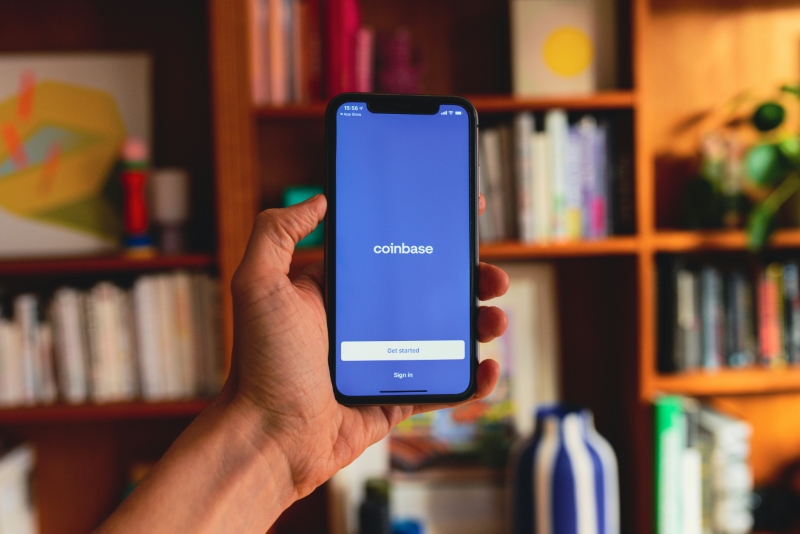
Centralized exchanges like Binance and Coinbase have been the go-to for most crypto traders due to their deep liquidity pools, fiat on-ramps, and relatively smooth user experience. In fact, spot CEX trading volume surged by over 111% from Q3 to Q4 of 2024, reaching a staggering $6 trillion for one quarter alone, and year-over-year volume showed similar explosive growth[2]. These numbers highlight how embedded CEXs are in the crypto ecosystem.
However, all that glitters is not gold. Centralized exchanges operate under a single corporate umbrella, which means users must entrust their funds and personal data to a third party - a factor that has brought serious risk and skepticism after incidents such as the FTX collapse. Plus, CEXs often operate under opaque practices where users have limited insight into how their assets are managed, exposing them to risks of censorship, account freezes, or even market manipulation by insiders or the platform itself[1]. That’s a serious red flag for a community built on trustlessness and transparency.
Enter decentralized exchanges - platforms where trades happen directly between users through smart contracts, without intermediaries. Transactions and order books exist publicly on transparent blockchains, offering users full observability and control over their crypto holdings[1]. There’s no central authority to freeze your account or restrict trading based on whims or regulatory whims.
As decentralized exchanges become more sophisticated, integrating tools like copy trading and automated bots-previously exclusive to CEXs-they’re not just curiosity projects anymore; they’re approaching mainstream relevance[5]. DEXs empower anyone, anywhere to trade without invasive Know Your Customer (KYC) requirements, which is a godsend for users in jurisdictions with restrictive policies or those seeking privacy[5].
Transparency and Trust: The Heartbeat of DEXs ?

One of the loudest cheers for decentralized exchanges comes from their impenetrable transparency. Every transaction is publicly recorded on a blockchain, allowing auditors and users alike to trace the flow of assets in real-time. This eliminates the trust gap typical in centralized platforms, where users must implicitly believe the exchange is acting fairly[1].
Plus, the decentralized nature makes censorship and market manipulation far more difficult. While CEXs might freeze accounts or restrict assets based on compliance demands or market strategy, DEXs operate peer-to-peer, without a gatekeeper to interfere. This reduces risks like price manipulation, wash trading, or insider dealings[1].
Interestingly, a recent Grayscale research report forecasts that DEXs will significantly increase their share of market activity moving forward. With the rise of tokenized real-world assets and stablecoins, DEXs provide the perfect transparent rails needed for complex asset classes in this new digital landscape, even if high-frequency, latency-sensitive trading remains a stronghold of CEXs for now[4].
What Does This Mean for the Crypto Market? ?

As an analyst, the rise of decentralized exchanges signals a fundamental market shift from centralized "black boxes" to open, programmable exchanges. This shift enhances financial sovereignty by placing asset control back in the hands of users and fosters innovation with programmable smart contracts enabling new financial instruments.
For the broader crypto economy:
- Risk distribution improves: No single point of failure like a centralized exchange collapse.
- Market access broadens: Anyone with an internet connection and a crypto wallet can trade free from regional or regulatory gatekeeping.
- Competitive innovation surges: CEXs are pushed to improve transparency, security, and user experience, while DEXs scale up liquidity and usability.
However, challenges remain. DEXs historically have lower liquidity and can suffer from slower transaction speeds or complex interfaces, which could bewilder newcomers[2][3]. That’s changing quickly, but user education is key.
Practical Tips for Investors Navigating Between DEXs and CEXs ?

Diversify your trading venues: Don’t put all your eggs in one basket. Use centralized exchanges for fiat on-ramps and liquidity-heavy trades. Use DEXs for privacy, asset control, and trading lesser-known tokens.
Keep custody of your assets when possible: Use DEXs or non-custodial wallets to reduce counterparty risk. Even a small stash on a CEX should be balanced with personal wallets.
Stay updated with compliance and platform changes: Regulations around crypto exchanges are evolving constantly. Some centralized platforms may impose stricter controls, so be prepared to shift to DEXs if those controls limit trading freedom.
Explore DEX aggregators to find best prices and liquidity pools and minimize slippage costs when trading.
Understand that DEXs are still developing: They might lack certain features or fiat gateways you need, so learn to manage wallets and private keys safely before diving deep.
My Personal Take: The Rise of the Decentralized Dawn ?
Imagine crypto trading like ordering pizza. Centralized exchanges are like established pizza chains-fast, familiar, and convenient, but they sometimes mess up your order or hold your money hostage if you complain. Decentralized exchanges are the local pizza maker down the block who always delivers what you want-fresh, direct, no middlemen, but you might have to pick it up yourself and pay in cash.
The future likely isn’t about choosing exclusively one or the other but blending the best of both worlds. DEXs will increasingly democratize access and reduce centralized choke points in finance, empowering users exactly as the crypto ethos intended. Meanwhile, CEXs will improve, innovate, and coexist as trusted partners where convenience and liquidity matters most.
For investors and traders willing to embrace a bit of complexity for more control and privacy, decentralized exchanges represent not just a technical upgrade, but a philosophical shift in power dynamics that could reshape financial markets entirely.
Will you stick with the familiar chains or start exploring your local pizza place?
Explore more about decentralized exchanges role, crypto market impact decentralized exchanges, and centralized exchanges scrutiny here.
Sources:
[1] https://komodoplatform.com/en/academy/decentralized-exchange-vs-centralized/
[2] https://ideasoft.io/blog/centralized-crypto-exchange-development-pros-and-cons/
[3] https://atomicwallet.io/academy/articles/decentralized-exchanges-vs-centralized-exchanges-which-is-better
[4] https://research.grayscale.com/reports/dex-appeal-the-rise-of-decentralized-exchanges
[5] https://whaleportal.com/blog/best-decentralized-crypto-exchanges-in-2025/