

Why Bitcoin Mining Innovation is Much More Than Just a Tech Upgrade
Bitcoin mining’s energy appetite has long been the elephant in the crypto room, hasn’t it? But here’s the twist: mining innovations are slowly but surely carving a sustainable path for Bitcoin’s future. When you ask, “What role do mining innovations play in Bitcoin’s sustainability?”-the answer’s more than just fancy machines and cheaper electricity. It’s about how tech, market dynamics, environmental practices, and regulation all dance together to keep Bitcoin mining profitable and planet-friendly.
Whether you’re a hodler or a tech-savvy trader, knowing how these mining breakthroughs snag sustainability goals is key. And yeah, we’ll dive into some juicy market insights-because, come on, bitcoin’s price cycles and mining profitability are like an epic Netflix saga of their own.
Key Takeaways
Subscribe to our Social Media for Exclusive Crypto News and Insights 24/7!
- The mining sector is increasingly leaning into renewable energy and energy-efficient tech to cut carbon footprints while staying competitive.
- Innovations foster dynamic energy management, helping Bitcoin miners act as grid stabilizers, soaking up surplus green energy during off-peak hours.
- Market mechanics like dominance cycles and liquidation cascades affect mining profitability, pushing innovations that handle volatility better.
- Regulatory attention is intensifying, nudging miners towards greener practices-think of it as a wake-up call from governments and environmental watchdogs.
- Real-world examples-from hydro-powered miners in Canada to Texas’ wind farms-showcase the emerging green bitcoin landscape.
Mining Innovations Aren’t Just About Faster Hashrates
You’ve heard it: Bitcoin mining used to be synonymous with “energy vampire.” Fast forward to 2025, and you’ll find miners embracing sophisticated energy management tools that do way more than crunch numbers faster. According to the latest research from ArXiv, miners are transforming from just “cryptocurrency farmers” into dynamic energy flexibility platforms.
What does that mean? Well, these operators now sync their rigs to tap into renewable energy surpluses-think wind and solar farms spewing out extra juice during low demand periods. Instead of wasting that electricity, miners step in to “eat” the excess, helping stabilize the grid while earning Bitcoin in the process[4].
If you’re picturing minuscule improvements, think again: these innovations are a game-changer. For example, smart software dynamically throttles mining rigs up and down in real-time based on electricity prices and grid demand. The result? Lower costs for miners and a smaller carbon footprint. Plus, miners avoiding peak grid hours reduce strain on local power consumers.
? The Green Bitcoin Revolution: Who’s Leading the Charge?

Okay, so it’s not just theoretics or papers talking-it’s happening IRL. GoMining, for one, stands out by openly investing in renewable infrastructure, using wholesale electricity from greener grids and optimizing their hardware for maximum energy efficiency[2]. Their NFT-based mining tech lets users participate more sustainably, ticking boxes for eco-conscious investors hungry for passive income.
Then there’s the big guns like Gryphon, CleanSpark, and Bitfarms - miners pivoting to hydroelectric, nuclear, and wind power to shrink their carbon footprints notably[3]. Here’s a quick snapshot:
| Company | Primary Energy Source | Environmental Edge |
|---|---|---|
| Gryphon | Hydroelectric | Nearly zero carbon, stable energy supply |
| CleanSpark | Solar + Wind | Grid balancing with renewables |
| Bitfarms | Hydropower | Low-cost, low-emission power |
By sourcing cheaper, cleaner power, these miners don’t just greenwash-they boost profitability by slashing power costs and minimizing regulatory headwinds. Because as everyone’s realized, squeezing every fraction of a cent off power bills matters a lot when Bitcoin rewards halve every four years.
? Market Mechanics: How Price Cycles and Volatility Shape Mining Innovation
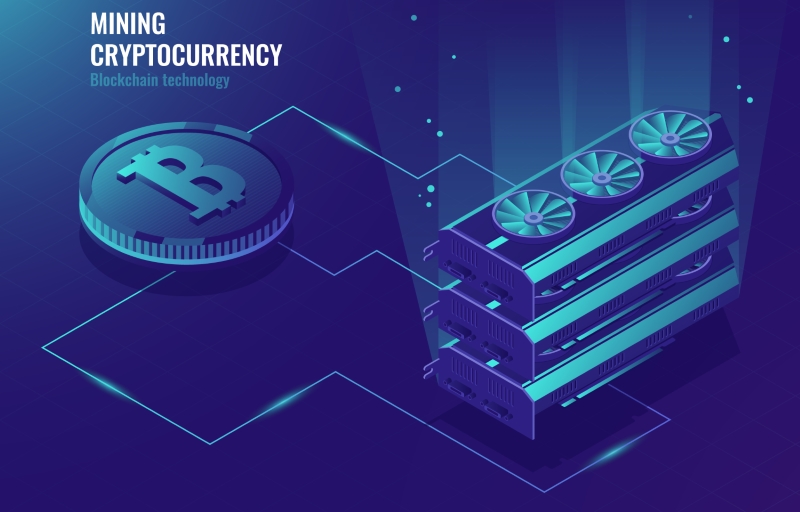
Here’s where it gets spicy. The crypto market is wild-you’ve seen this before, right? BTC teasing headlines with breakout attempts that fizzle, then dumping hard when fear floods in. Mining operations aren’t immune; profitability swings wildly with price, difficulty, and energy costs.
Dominance cycles matter. When BTC dominance surges, other altcoins fold, driving more hash power back to Bitcoin, ramping up mining difficulty. During alt-season or BTC pullbacks, weaker miners liquidate rigs, triggering a cascade effect that reinforces innovation demands[1].
Technical indicators like the Average Directional Index (ADX) reveal trends in price strength, signaling miners when to scale operations or hunker down. A trader I spoke to said this looked eerily like the 2021 blow-off top - when liquidations wiped out marginal players, leaving the big fish to scoop up discounted gear.
Imagine holding SOL through that crash - brutal, right? Similarly, miners faced massive shakeouts then. Innovations like programmable shutdowns, intelligent load balancing, and hardware optimization help miners survive these bouts by conserving energy when prices tank and cranking up when bull runs entice.
? Communities, Regulation, and the Quest for Quieter, Cleaner Mining

Not everything’s smooth sailing though. Texas mining towns are complaining about the constant fan hum noise pollution, while regulators globally clamp down citing the pressure mining puts on local grids[5]. Kuwait recently banned mining altogether due to grid strain-that’s a sign regulatory bodies are sharpening their pencils.
Innovations here are less about flashy computing power and more about stealth and civility - think immersion cooling technology that drowns sound and slashes energy waste, or moving mining farms to less populated areas powered by excess renewables.
Regulators prefer miners who play nice with the environment - aligning with investors pushing for ESG-compliant operations. According to Bank of America’s recent research, crypto miners leaning green may unlock easier access to capital and markets[1].
Data Insights: Mining Profitability vs. Energy Use - The Current Trends
Pulling live data from CoinMarketCap and TradingView, today’s Bitcoin hash rate hovers near all-time highs, even as Bitcoin price has been oscillating between $26,000 to $31,000 in recent months. Here’s the kicker: despite price dips, miner revenue has stayed stable due to innovations lowering energy costs per hash.
On-chain analytics show miner outflows increasing slightly after recent rallies, signaling some profit-taking but no panic sell-offs. That’s a marked change from 2018 and 2021 crash patterns when we saw liquidation cascades wiping out suboptimal operators.
This suggests the mining world is evolving, adapting with innovations that give staying power even through volatile markets. The whales ain’t sleeping, fam. They’re rotating smarter, leaving behind the noisy, power-hungry rigs of yesteryear.
Final thought: Bitcoin mining innovations are the linchpin for marrying profitability with sustainability. Those who innovate, pivot, and embrace renewables won’t just stay in the game: they’ll define the future of crypto mining.
Curious About Bitcoin Mining and Sustainability? Your Questions Answered Below!
Q1: What exactly is Bitcoin mining innovation?
A1: It refers to new technologies and strategies that make bitcoin mining more efficient, environmentally friendly, and profitable-like dynamic energy management, renewable sourcing, and advanced cooling systems.
Q2: How do renewable energy sources impact Bitcoin mining sustainability?
A2: Renewable sources like hydro, wind, and solar reduce carbon emissions, cut mining costs, and can help stabilize local power grids by consuming surplus energy.
Q3: What market factors affect the profitability of Bitcoin mining?
A3: Bitcoin price swings, network difficulty adjustments, and electricity costs interplay to determine profitability. Innovations help miners mitigate risks from these volatile factors.
Q4: Are regulatory pressures influencing mining innovations?
A4: Absolutely. Environmental regulations and community concerns push miners towards greener tech and quieter operations, making sustainability not just ethical but mandatory.
Q5: Can Bitcoin mining help stabilize electrical grids?
A5: Yes, by operating mostly during periods of excess renewable power, miners can absorb surplus energy and lessen grid volatility, providing a net environmental benefit.
Q6: What’s the future outlook for sustainable Bitcoin mining?
A6: The trend points to more integration with renewables, smarter energy use, and regulatory-friendly practices-making sustainable mining an industry norm rather than an exception.
Bitcoin Mining Innovation
Sustainable Bitcoin Mining
Bitcoin Renewable Energy
- https://www.blockwaresolutions.com/blog/what-are-bitcoins-mining-how-crypto-miners-earn-in-2025/
- https://itsupplychain.com/gomining-review-2025-is-this-the-future-of-sustainable-bitcoin-mining/
- https://carboncredits.com/top-5-sustainable-bitcoin-mining-companies-to-watch-out-for/
- https://papers.ssrn.com/sol3/papers.cfm?abstract_id=5360010
- https://coingeek.com/bitcoin-mining-2025-environmental-and-regulatory-concerns/






