
Why Crypto Banking’s Next Wave Could Change Everything You Thought You Knew
If you’ve been scratching your head over what’s the future of crypto banking with new partnerships and custody solutions, you’re not alone. The digital asset world’s landscape is shifting so fast, even the whales can’t keep up without a compass. Traditional banks that once treated crypto like the edgy cousin at family dinners are now cozying up to it-with some downright strategic relationships that are rewriting the playbook. And custody? Forget cold wallets in a vault; we’re talking institutional-grade infrastructure that’s smoother than your favorite crypto exchange during a bull run. Hang tight - crypto banking is evolving, and whether you’re hodling or trading, it’ll impact your strategy.
Key Takeaways
- Traditional banks and crypto firms are joining forces, offering clients seamless access to crypto buying, holding, and selling on trusted platforms.
- Custody solutions are becoming more secure and institutional-grade, shifting risk management into hyperdrive.
- Partnerships like PNC Bank and Coinbase’s signal a future where crypto services are embedded in mainstream banking.
- Understanding market cycles, liquidation cascades, and ADX moves remains pivotal to navigating these new financial waters.
- The era of “crypto is too risky” is fading as regulation, technology, and demand combine to build a more resilient digital financial ecosystem.
Subscribe to our Social Media for Exclusive Crypto News and Insights 24/7!
? Old-school Banks and Crypto Firms: Strange Bedfellows or the New Dynamic Duo?
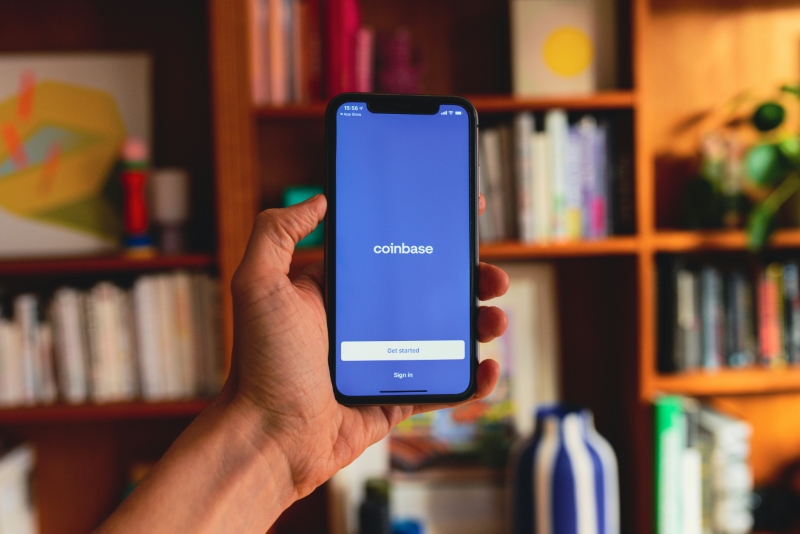
Back in the day, banks treated crypto like that sketchy hipster bar downtown-interesting but risky, better to avoid. Fast-forward to mid-2025, and things look way different. Take PNC Bank’s partnership with Coinbase announced this July. They’re not just shaking hands; they’re building a full crypto ecosystem where PNC’s clients can buy, hold, and sell crypto right from their trusted banking apps. William S. Demchak, PNC’s CEO, nailed it: this deal is about “scalable crypto access built on uncompromising security”[1]. Translation? You can expect big banks to go full-speed into crypto services without making you jump through hoops.
Coinbase brings its institutional "Crypto-as-a-Service" model into the mix, effectively giving legacy banks the turbo engine for handling digital assets securely. It’s like adding a Tesla engine to a classic car-the project they launched is solid and built for the long haul.
Visa has also chimed in, highlighting how banks’ crypto games are past experimentation and now about strategic integration, offering custody, trading, and yield products to richer retail and institutional clients[2]. So yeah, the whales ain’t sleeping, fam; they’re rotating their cashflows into this hybrid world.
? Custody Solutions: From DIY to Institutional-Grade Fort Knox
Remember when custody meant “store your keys in a little notebook and pray”? That old-school mindset just doesn’t cut it anymore. Custody solutions in 2025 are about combining strong regulatory frameworks, insurance, and tech-driven security measures.
Banks and fintechs alike are stepping up. For example, Bank Frick in Liechtenstein boasts early blockchain banking adoption with direct market access and secure asset custody tailored to institutional investors[4]. Not to mention Europe’s Monetum and Bankera, which offer tailored IBAN accounts with crypto-friendly credentials, helping crypto firms skip the dreaded “de-banking” headaches common elsewhere[3]. When you think about it, banks embracing crypto custody are not just offering safekeeping-they’re shaping how crypto assets integrate into the broader financial system.
? Reading the Market Pulse: Dominance Cycles, ADX, and Liquidation Cascades

Let’s get real. The future of crypto banking isn’t just about partnerships and shiny custody wallets. Market mechanics are the heartbeat behind how these services evolve. Anyone who’s watched Bitcoin dominance cycles knows they shape institutional appetite for altcoins and by proxy, banking service demand.
Right now, BTC’s dominance is flirting with a 43% zone - familiar territory where big players decide whether to move funds into altcoins or consolidate. This tug-of-war is echoed in ADX (Average Directional Index) readings that hover in ranges signaling either strong trends or impending breakouts.
Take ETH for example-just recently it swan-dived into a vital support level after teasing resistance several times in the 2,100-2,300 USD zone on TradingView[Chart]. A trader I spoke to likened it to 2021’s blow-off top-volatility hitting the panic button. When ETH’s liquidity starts cascading, custodial services have to be bulletproof because margin calls and liquidations can spike like a rocket.
Back in 2022, I held ADA through a 60% dump. Brutal lesson learned: custody matters as much as conviction. If your assets are locked in a cloud you don’t control, liquidations can happen before you blink. Banks partnering with crypto infrastructure providers understand that liquidations aren’t just user headaches-they’re systemic risks that next-generation custody solutions aim to mitigate.
? Crypto Banking Goes Global: Where’s the Action?

Driving deep into the world map reveals some surprise hubs of crypto banking innovation. Clear Junction out of the UK is a beast when it comes to cross-border payments, helping crypto firms do real-time settlements in over 180 countries[4]. It’s a glimpse into how savvy banking services will either make or break crypto firms expanding beyond national borders.
Meanwhile, fintechs like Januar in Denmark exploit the regulatory sweet spots by offering crypto businesses bank-like services without the unnecessary roadblocks-a lifeline for startups drowning in de-risking chasms[4].
The trend is crystal clear: banks and fintechs partnering with blockchain-native companies forge new paths in payment processing and real-time asset transfer, with custody and compliance baked in. This is the infrastructure crypto needs to become truly mainstream.
? What It Means for Investors
Sure, it’s flashy to talk about banking partnerships and custody innovations. But here’s what you really wanna know: How does this affect your bags?
- Less friction: Seamless buy/sell options in your bank app mean you don’t have to jump through crypto exchange hoops or deal with shady OTC desks.
- Safety nets: Institutional-grade custody infrastructure reduces your counterparty risk. It’s like moving from a leaky canoe to a battleship.
- Regulatory clarity: Banks are subject to heavy regulation-they won’t gamble recklessly. That means more transparency, fewer rug pulls.
- Market cycles still rule: No matter how slick the tech, volatility is king. Knowing when dominance shifts or when liquidation cascades hit helps you time your moves.
- Opportunity for yield: Banks and fintechs are offering yield products that actually work (with risk, duh). Imagine staking through a bank, not a random smart contract.
If you’ve watched this space since the 2017 mania, you know it ain’t all sunshine and moonshots. But the institutional embrace and custody evolution suggest this bull season - whenever it kicks off - might come with fewer nasty surprises.
The Future’s Clear(ish): Crypto Banking is Maturing, and So Should You
The strange bedfellows of banking and crypto didn’t just wake up one day and decide to be BFFs. This evolution has been a long time coming, shaped by demand, regulation, and tech leaps. The partnership wave-like PNC and Coinbase’s high-profile collaboration-is just the tip of a giant iceberg fueling a more seamless, secure, and regulated crypto ecosystem.
Investors, traders, and startups who adapt to this new playbook will have a huge edge. Meanwhile, those stuck in “crypto is volatile and unsafe” mode might miss out on what’s shaping up to be a revolution in how money moves in the 21st century.
All About the Future of Crypto Banking: Your Questions Answered
Q1: What role do partnerships like PNC and Coinbase play in crypto banking’s future?
A1: These partnerships blend traditional banking’s security and client base with crypto firms’ tech expertise, creating seamless platforms for buying, holding, and selling digital assets within trusted banking environments.
Q2: How do new custody solutions affect the safety of my digital assets?
A2: Modern custody solutions provide institutional-grade security, regulatory oversight, and insurance options, significantly reducing risks like theft, loss, or sudden liquidation during market swings.
Q3: Why are market mechanics like BTC dominance and ADX important for crypto banking?
A3: They signal shifts in investor behavior and market momentum, which influence demand for banking services and custody products, especially during volatile periods like liquidation cascades.
Q4: Can crypto banking services improve user experience compared to traditional exchanges?
A4: Yes, by integrating crypto into banks’ existing platforms, users get streamlined access without juggling multiple accounts or worrying about exchange downtimes and counterparty risks.
Q5: What should crypto investors look out for in the evolving crypto banking landscape?
A5: Focus on platforms with strong partnerships, robust custody solutions, and transparent regulatory compliance, as these factors offer better protection and growth potential in unpredictable markets.
crypto banking partnerships
crypto custody solutions
institutional crypto services
- https://pnc.mediaroom.com/2025-07-22-PNC-Bank,-Coinbase-Announce-Strategic-Partnership-to-Advance-Digital-Asset-Solutions-and-Expand-Banking-Services
- https://corporate.visa.com/en/products/visa-direct/blog/crypto-in-banking-what-you-need-to-know.html
- https://monetum.com/the-best-crypto-friendly-banks-for-businesses-in-2025/
- https://www.ulam.io/blog/the-best-crypto-friendly-banks-worldwide
- https://www.fintechfutures.com/partnerships/july-2025-top-five-fintech-partnership-stories-of-the-month