
Can Crypto Regulation Finally Bring Stability and Growth in 2025?
Navigating the crypto regulatory maze has felt like a rollercoaster, right? With all the buzz around new laws and government moves in the US and EU this year, many investors and enthusiasts are asking: What’s the actual outlook for crypto regulation in the US and EU in 2025? Buckle up, because this deep dive covers the latest updates, their real market impact, and practical insights to keep your crypto journey smart and savvy.
Key Takeaways: Crypto Regulation Landscape for 2025 ?
- The US is pushing robust crypto laws, including federal licensing for stablecoins and clear frameworks for token classification.
- The EU’s Markets in Crypto-Assets (MiCA) regulation starts shaping a unified crypto framework across member states.
- US regulatory clarity is improving with new executive orders and rescinded restrictions enabling banks to handle digital assets more freely.
- Stablecoin regulations like the GENIUS Act emphasize consumer protection and transparency, aiming to boost trust.
- Legislative bottlenecks and political dynamics in both US and EU still inject uncertainty but momentum is unmistakable.
Subscribe to our Social Media for Exclusive Crypto News and Insights 24/7!
Now, let’s unpack what this all means, from the Capitol Hill halls to Brussels boardrooms, and why you should care-even if you’re just starting to dip your toes in crypto waters.
? The US Crypto Regulation Outlook: A New Era of Clarity and Control?
2025 is shaping up as a pivotal year for crypto regulation in the US. Under the Trump administration’s renewed presidency beginning in 2025, we’re witnessing a seismic shift towards explicit laws and federal oversight designed to reduce the wild west nature of crypto markets.
The Legislative Push and Stablecoin Spotlight ?

Congress is moving on several fronts:
- The Stablecoin Trust Act plans to establish a federal licensing system for stablecoin issuers. This means issuers will have to maintain 100% reserve backing in liquid assets and submit to regular audits by the Federal Reserve and OCC as mandated by recent legislation[1][6].
- The Financial Innovation and Technology for the 21st Century (FIT) Act endeavors to clear the "regulatory fog" by classifying tokens either as securities (regulated by the SEC) or commodities (under CFTC oversight). This clearer classification helps reduce confusion and inadvertent legal risk for businesses and investors alike[1][3][5].
The newly-stamped GENIUS Act underscores consumer protection by demanding stablecoins disclose their reserve compositions monthly and prohibits misleading marketing suggesting government backing[6]. This is a game-changer because stablecoins have often been a sort of "wild card" with ambiguous trust signals.
Administration Moves & Judicial Developments ?️
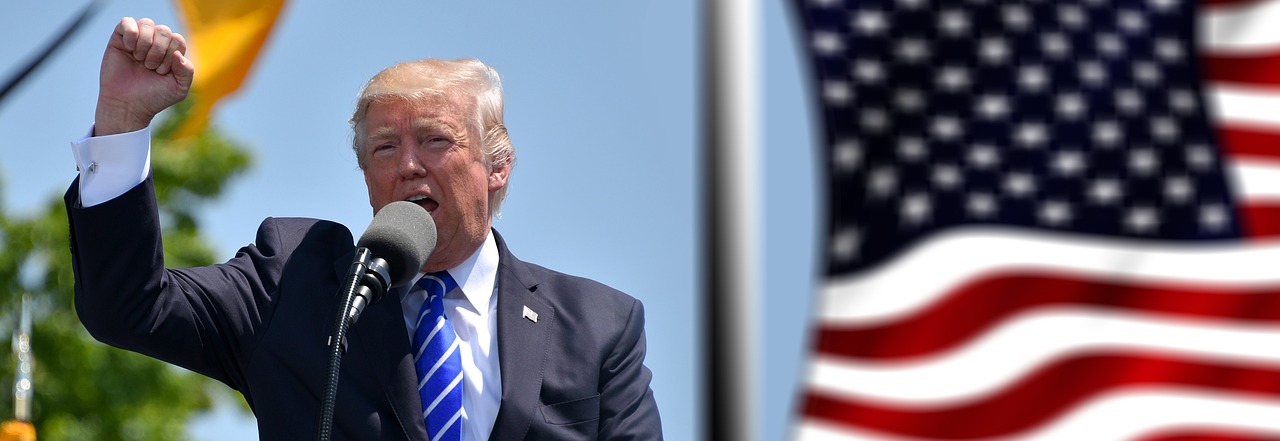
- In March 2025, the US administration launched its first “Crypto Summit,” pushing for a national strategic approach that even includes establishing a Strategic Bitcoin Reserve[2][6].
- The Office of the Comptroller of the Currency (OCC) relaxed its stance, rescinding previous restrictive guidance and clarifying that national banks can custody crypto assets and engage in distributed ledger technology services more openly[2][4].
- Key court rulings suggest some crypto transactions might not be classified as securities, though this remains a hotly contested legal battlefield, signaling that judicial clarity is still evolving[1].
What Does All This Mean for the Market?

The US efforts aim to transform a sector plagued by inconsistent oversight into one with clear guardrails that encourage innovation without sacrificing consumer safety. Investors can expect:
- More institutional involvement as banks and financial institutions gain clearer permission to offer crypto services.
- Improved market stability with enforceable reserve requirements on stablecoins reducing the risk of sudden crashes.
- The potential clearing of the regulatory "grey area" on token classifications could foster more projects thriving without fear of surprise enforcement actions.
Still, there are uncertainties-particularly regarding the timeline for comprehensive legislation, as bipartisan agreement is a challenge, and regulatory agencies may differ in enforcement styles[1][5].
?? EU Crypto Regulation: The MiCA Era and Harmonization
Across the Atlantic, the EU is powering forward with the Markets in Crypto-Assets (MiCA) regulation, designed to unify crypto rules across all member states for the first time. MiCA sets out:
- Licensing and operational standards for crypto-asset service providers.
- Clear requirements for stablecoins, ensuring strong safeguards and transparency.
- Consumer protection mandates and Anti-Money Laundering (AML) provisions aligned to global frameworks.
This harmonized regime reduces fragmentation that stifled cross-border crypto businesses in Europe, enhancing the EU’s appeal as a crypto-friendly jurisdiction with compliance certainty[1].
Market Impact in the EU
Investors and firms can look forward to:
- Reduced regulatory complexity when operating or investing across EU countries.
- Higher trust and security standards that promote sustainable growth and innovation.
- Potentially faster adoption of digital assets and blockchain technology in sectors like payments and capital markets.
Yet, some stakeholders express concerns about compliance costs and the pace of enforcement, which may initially challenge startups[1].
? Practical Tips for Crypto Investors in This Shifting Regulatory Landscape
- Stay Informed and Agile: Regulatory landscapes can shift rapidly. Follow credible sources like TRM Labs reports, government releases, and legal advisories.
- Prioritize Projects with Transparency: Favor cryptocurrencies and stablecoins that openly disclose reserves and comply with regulations like the GENIUS Act.
- Diversify Across Jurisdictions: With differences between US and EU rules, smart investors balance exposure to mitigate regional risks.
- Watch Regulatory Dates: Key deadlines, such as August 2025 feedback for US crypto legislation, could signal significant policy moves.
- Engage with Compliance Experts: Legal and tax professionals specializing in crypto can help navigate complex requirements and keep you prepared for changes.
? Personal Insights from a Crypto Analyst
As someone who’s watched the crypto space evolve from speculative frenzy to maturing asset class, 2025 feels like a make-or-break moment. The US’s drive toward structured regulation combined with the EU’s MiCA framework could finally - finally! - bring the clarity and confidence the industry desperately needs. Though lawmakers are walking a tightrope between innovation and caution, these developments inspire optimism for reduced crashes, fraud, and regulatory drama.
Yet, it’s also a reminder that crypto is no longer a simple “get-rich-quick” playground. Investors should cultivate patience, legal literacy, and a cautious spirit. The regulatory winds blowing from Washington and Brussels today will shape the crypto skies for the next decade.
So, will these regulatory efforts usher in an era of widespread adoption and industry respect, or will overregulation stifle the creativity at crypto’s heart? Only time will tell.
Would you bet on a regulated crypto future, or do you think the industry thrives best in the wild? Your call.
For those eager to learn more about the US crypto regulation outlook, EU crypto policy trends, and the stablecoin regulatory landscape, check out these insightful resources:
US crypto regulation outlook
EU crypto policy trends
stablecoin regulatory landscape
Sources:
- https://www.trmlabs.com/reports-and-whitepapers/global-crypto-policy-review-outlook-2024-25-report
- https://kpmg.com/us/en/articles/2025/special-alert-digital-assets-cryptocurrency-regulation-reg-alert.html
- https://www.grantthornton.com/insights/articles/advisory/2025/crypto-policy-outlook
- https://www.statestreet.com/us/en/insights/digital-digest-march-2025-digital-assets-ai-regulation
- https://patomak.com/2025/08/04/the-future-of-us-crypto-regulation-analyzing-the-clarity-act-and-the-rfia/
- https://www.whitehouse.gov/fact-sheets/2025/07/fact-sheet-president-donald-j-trump-signs-genius-act-into-law/
- https://www.goodwinlaw.com/en/insights/blogs/2025/09/state-regulators-increase-regulations-of-crypto-exchanges-despite-industry-pushback