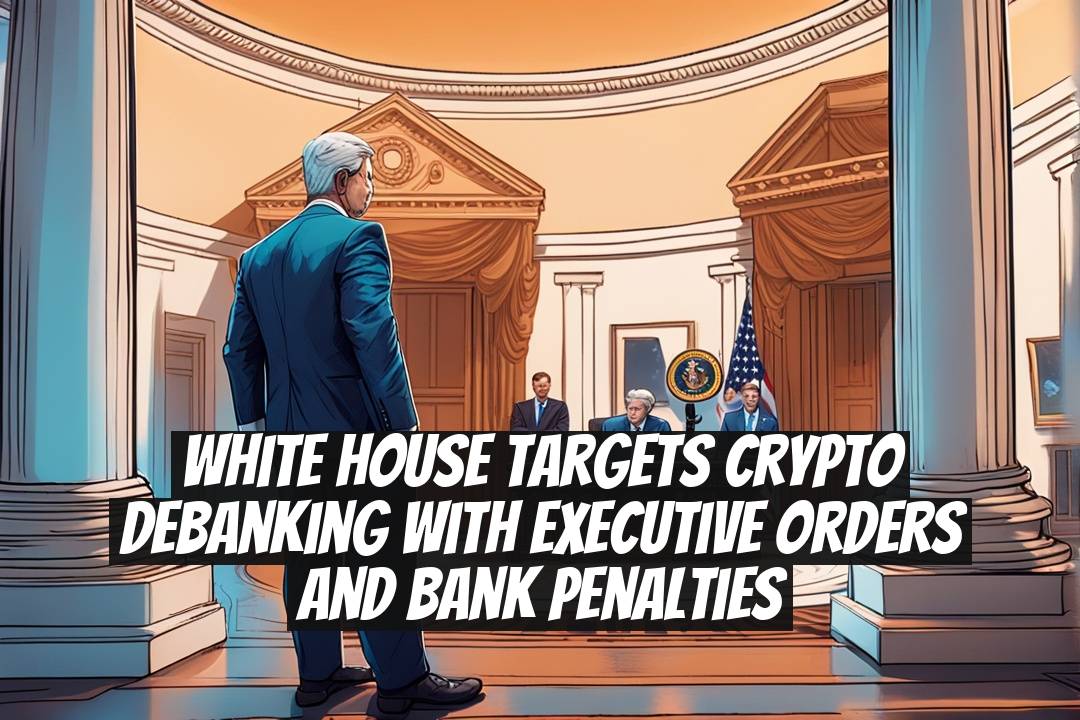
When the White House Turns Up the Heat on Crypto: Is Debanking the New Battleground?
If you’re swimming in crypto waters, you’ve probably caught wind of the latest buzz: the White House is cracking down hard, targeting crypto debanking through sweeping executive orders and slapping banks with new penalties. Yeah, it’s a lot. This isn’t just another bureaucratic nudge - it’s a deliberate move to reshape how digital assets fit into the traditional financial web. With crypto’s rollercoaster rides, market dominance shifts, and whales making waves, this crackdown raises big questions: Can crypto stay wild and free, or is Uncle Sam about to fence it in?
Key Takeaways
- The White House under President Trump has issued executive orders establishing a Strategic Bitcoin Reserve and a Digital Asset Stockpile, aiming for U.S. dominance in the crypto space.
- New regulations are targeting the “debanking” phenomenon, where banks refuse services to crypto firms, but now the government is turning the tables with penalties on banks that overly clamp down.
- Detailed recommendations propose expanding regulatory clarity, especially granting the CFTC oversight on spot markets for non-security digital assets to stabilize and legitimize the industry’s infrastructure.
- Market data from CoinMarketCap and TradingView hint that these policies come on the heels of increasingly volatile dominance cycles and liquidation cascades, something savvy traders are watching closely.
- Experts warn that while government moves may stabilize certain sectors, rigid regulations could stifle innovation and push crypto out of reach for some retail investors.
Subscribe to our Social Media for Exclusive Crypto News and Insights 24/7!
? Why ETH Didn’t Just Drop - It Swan-Dived as Feds Flex Muscles
Let’s talk market mechanics for a sec. You know how Ethereum’s price action often feels like a mood swing at a family reunion - unpredictable and intense? Recently, ETH didn’t just dip; it swan-dived into major support levels right when the White House started signaling strong regulatory intentions on crypto debanking. This was no coincidence.
According to TradingView data, Ethereum’s Average Directional Index (ADX) shot north of 40 around mid-2025 - a classic sign the market was gearing up for a big swing. Then boom: regulatory announcements hit, triggering a cascade of stop-loss liquidations. In crypto-speak, this is what some traders call a "liquidation cascade," where forced selling snowballs, pushing prices even lower. Sound familiar? Back in May 2021, we saw a similar cascade during the infamous ‘China crypto ban’ meltdown[1].
A trader I chatted with described this maneuver as “eerily like 2021’s blow-off top,” where panic selling met regulatory overreach. This time? The White House isn’t just waving a finger; they’re ordering banks to tighten their nooses on crypto firms, then threatening fines if they go overboard. No wonder ETH got skittish.
? White House Targets the Crypto Whales… And Their Banks

Here’s the kicker: the government’s latest executive orders don’t just cozy up to Bitcoin by creating a Strategic Bitcoin Reserve - a fancy term for the U.S. hoarding BTC as a national asset. No, they’re also making banks think twice about saying “no” to crypto companies.
For the longest time, crypto startups have been ghosted by banks-debanked-because banks saw them as risky or regulatorily inconvenient. Now, penalty rules mean banks could face consequences if they blanket-ban crypto clients without proper cause. The administration’s message? Play nice or pay.
This paradox is wild. On one hand, the U.S. wants to lead the crypto revolution, declaring America the “crypto capital of the world”[2]. On the other, it’s setting a leash on the industry by giving traditional banks a nudge into compliance and control. It’s like inviting your rebellious teenager home but checking every text they send.
? Market Dominance Cycles: BTC, ETH, and the Tug of War
If you’ve been tracking CoinMarketCap’s dominance charts lately, you’ll notice Bitcoin’s grip loosening while altcoins like Ethereum and Solana surge. But dominance cycles aren’t just about who’s king; they signal investor sentiment shifts and risk appetite tweaks.
Here’s the twist: White House policies often act as a catalyst in these cycles. When regulations drum up uncertainty, BTC often reclaims dominance as a “safe haven” - digital gold, anyone? But if policies open the door to innovation, altcoins get their moment to shine.
Looking back, after the 2023 SEC crackdowns, BTC dominance spiked from 39% to nearly 48% over six months, as investors fled riskier assets. Now, with new executive orders, many pro traders anticipate a similar tussle, wondering whether the Digital Asset Stockpile initiative will buoy BTC’s institutional appeal or push speculative altcoins to the sidelines.
? Debanking Drama: What’s Really Happening Behind the Scenes?
Did you ever wonder why your friendly neighborhood crypto startup suddenly can’t get a bank account? That’s debanking, plain and simple. Banks perceive crypto firms as regulatory mines, so they just back away.
Recently, the White House’s working group on digital asset markets recommended Congress grant regulators like the CFTC broader authority to oversee crypto spot markets - a move packed with implications. It means tighter scrutiny but also clearer rules for who’s in and who’s out.
From conversations with insiders, the crackdown isn’t just about safety; it’s a strategic power play. The U.S. wants to “own” digital assets, not let them slip away to less regulated jurisdictions. That Strategic Bitcoin Reserve? Part of the playbook to ensure geopolitical dominance in the crypto realm.
️ Real Talk: How This Affects Your Trading & Holdings
Imagine you held ADA through its brutal 60% dump in 2022. That kind of endurance toughens you up. But now, with new bank penalties and executive orders swirling, the crypto landscape’s drastically changing.
What’s your move? Here’s some food for thought:
- Volatility + Regulation = Opportunity? Regulatory pivots historically ignite manic volatility, great for volatile traders but less so for HODLers.
- Watch liquidation cascades: When a big policy hits, stop-loss orders can trigger waterfall sell-offs. Staying calm and not chasing panic lows might save your portfolio.
- Dominance cycles shift rapidly: If BTC’s dominance spikes, altcoins might struggle temporarily-reallocating a chunk of your holdings could hedge risk.
- Liquidity’s key: Debanking limits access to fiat onramps; stablecoin liquidity and decentralized exchanges may become your best friends amid tightened bank partnerships.
Personally, I’m keeping an eye on strategic government moves-especially the Digital Asset Stockpile-as something that might stabilize BTC’s floor value long term.
? Expert Insight: The Future of Crypto Regulation, According to “The Whale Whisperer”
A crypto fund manager I spoke with, nicknamed the “Whale Whisperer,” summed it up perfectly: “The whales ain’t sleeping, fam. They’re rotating. The U.S. government playing big-ball here disrupts old flows but creates new pathways. If you’re nimble and savvy, you’ll surf these waves - not wipe out.”
According to him, the key takeaway is that governmental recognition of crypto’s strategic value could permanently legitimize digital assets. But the penalty frameworks mean the onboarding process will get tougher. It’s not a free-for-all anymore.
If you want to dive into the deep end of what’s next, check out CoinMarketCap, TradingView’s latest ADX readings, or real-time on-chain analytics at Glassnode.
Meanwhile, whether you’re a trader who thrives on volatility or a long-term hodler, one thing’s clear: the White House’s executive orders and bank penalties on crypto debanking are here to stay - for better or worse.
crypto debanking
executive orders on crypto
bank penalties crypto
- https://www.whitehouse.gov/presidential-actions/2025/03/establishment-of-the-strategic-bitcoin-reserve-and-united-states-digital-asset-stockpile/
- https://www.whitehouse.gov/fact-sheets/2025/07/fact-sheet-president-donald-j-trump-signs-genius-act-into-law/
- https://www.whitehouse.gov/presidential-actions/2025/01/strengthening-american-leadership-in-digital-financial-technology/
- https://www.whitehouse.gov/fact-sheets/2025/07/fact-sheet-the-presidents-working-group-on-digital-asset-markets-releases-recommendations-to-strengthen-american-leadership-in-digital-financial-technology/