
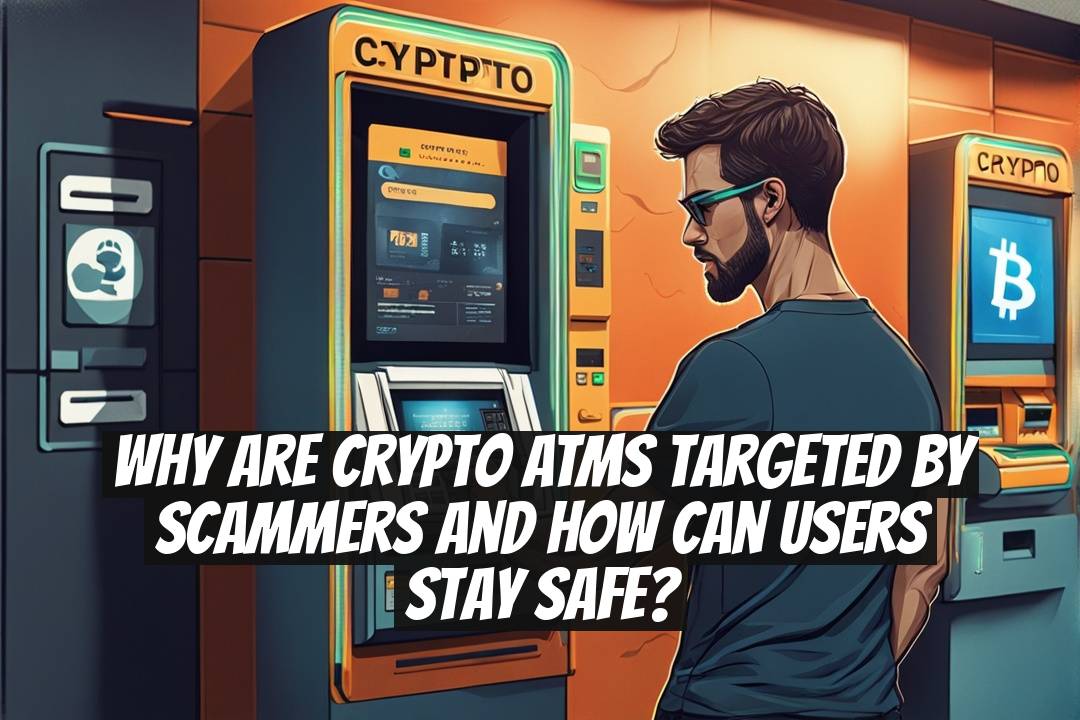
Crypto ATMs and Scammers: Why the Perfect Storm for Losses?
If you’ve ever wondered why crypto ATMs seem like a magnet for scammers, you’re not alone. These machines, popping up in convenience stores, malls, and gas stations, look harmless enough-maybe even like a smart way to jump into crypto. But the truth? They’re a favorite playground for bad actors, especially when it comes to fleecing unsuspecting users, often older folks who just want to protect their savings. So let’s dive into why crypto ATMs get targeted and, more importantly, how you can dodge getting played.
The rise in crypto ATM scams is staggering. The FTC reported over $65 million lost just in the first six months of 2024[3], while Australian authorities revealed $3 million in losses over a year with crypto ATMs - and that might just be scratching the surface[1]. The FBI also highlights an increase in complaints, with losses hitting almost a quarter-billion dollars in 2024[2]. And here’s the muscle behind these numbers: scams often involve urgent “protect your account” pleas, skyrocketing transaction fees (sometimes up to 26% per scam transaction), and a sympathetic victim usually led by tech support or government impersonators[2][3].
So, why are these seemingly convenient machines such a honey pot for scammers? The quick answer is: their accessibility combined with low regulation and the “instant cash-to-crypto” mechanism makes them perfect for fast, irreversible theft. But there’s more under the hood.
Subscribe to our Social Media for Exclusive Crypto News and Insights 24/7!
Key Takeaways
- Crypto ATMs have surged globally, with over 1600 machines in Australia alone in 2025[1].
- Most victims tend to be over 50, making older investors prime targets[1][3].
- Scams often involve fake tech support, government impersonation, or bogus investment pitches that push users to act fast.
- Crypto ATM transactions are irreversible and anonymous, making scam recovery almost impossible[4].
- High transaction fees on scam-directed operations add insult to injury for victims[2].
- Awareness and skepticism are your best defenses: never trust unsolicited calls asking you to use crypto ATMs.
? What’s the Deal with Crypto ATM Scams?
Imagine this: You get a call from someone claiming to be Apple Support or the IRS. Your heart skips a beat when they say your account or computer is compromised. Classic scare tactic, right? Next thing you know, they tell you to take cash out-and don’t just drop it in your savings. Nope. They want you to use a crypto ATM, scan a QR code, and send Bitcoin or Ethereum straight to their wallet. This is scammer 101, and it’s tragically effective.
Here’s why it works so well with crypto ATMs:
- Irreversible transactions: Unlike credit card charges or wire transfers, once crypto leaves your wallet, there’s no “chargeback” or refund coming your way.
- Anonymous wallets: Crypto transactions don’t require ID verification at ATMs, so scammers can move stolen funds quickly without getting traced easily.
- No centralized authority: Crypto ATMs aren’t regulated like banks. There’s typically no customer service or fraud protection to call when things go south.
- High fees on stolen funds: Scammers (and sometimes the ATM operators) rake in fat transaction fees-up to 26% per the Athena ATM allegations-adding to the victim’s losses[2].
- Victim isolation: Scammers pressure victims not to tell their family or friends, which cuts off potential aid and advice that might help avoid or report scam losses[4].
Back in 2022, I watched a friend nearly fall for this. He got a call saying his bank account was frozen, and the urged him to deposit funds at a Bitcoin ATM. Luckily, he called me first - I told him to hang up and think twice. These scams prey on fear and confusion.
? A Look at the Numbers & Market Mechanics Behind It

Let’s zoom out a moment and track the bigger picture. According to data from Chainalysis, illicit crypto transactions hovered around $40.9 billion in 2024 - a decrease from previous years but still massive, with scams and stolen funds a big chunk of that pie[5]. Crypto ATM scams, while only a fraction of total crypto crime, are growing fast. Why? Because they blend real tech convenience with classic human vulnerabilities.
Then there’s the market context: In 2025, crypto dominance cycles and on-chain volatility have made investors a bit jittery. ETH, for example, “swan-dived” in late Q1 2025 after failing to hold support around $1,500 (ADX readings showed weakening momentum), leading to a cascade of liquidations in DeFi protocols[5]. During these wild swings, folks looking for ‘safe havens’ sometimes turn to quick crypto ATMs - a slippery slope if scammers are involved.
One trader I spoke to put it bluntly: “The crypto ATM scam wave this year looks eerily like the 2021 blow-off top in retail FOMO-people desperate to act fast, getting burned big time.” The whales ain’t sleeping, fam. They’re rotating assets, while newbies cash out or get mugged in the process.
? How to Stay Safe Around Crypto ATMs

Owning and using crypto ATMs doesn’t have to be a death sentence for your bank account - but you have to play it smart. Here’s how:
- Never trust unsolicited calls or messages urging you to use a crypto ATM. Government agencies, tech companies, and banks won’t ask you to send cryptocurrency to fix a problem[3].
- Don’t follow QR codes from strangers. Scammers use QR codes to instantly direct your cash-to-crypto conversion into their wallets.
- Verify independently. If supposed ‘support’ calls you, hang up, and contact the company directly through official channels.
- Understand the machine. Crypto ATMs don’t limit deposits and don’t verify identities, which means no safety net[4].
- Don’t let pressure tactics confuse you. Scammers create urgency and secrecy; take your time, breathe, and consult someone you trust.
- Report suspicious activity immediately. Platforms like FBI’s IC3 and local cybercrime units rely on your reports to track trends and maybe catch scammers.
In a market moving as fast as crypto, education is your best armor. Like I tell my readers: Imagine holding your favorite alt during that 60% dump in 2022-brutal but survivable with cold nerves and a plan. Same mindset applies here.
? Real-Time Data Insights from CoinMarketCap & TradingView

Let’s add some color with recent data:
- BTC dominance surged above 46% in early Q3 2025, signaling cautious retreat to major coins amid altcoin turbulence.
- ETH price and ADX movement showed strong volatility with ADX barely holding above 25, reflecting uncertain momentum.
- Exchange on-chain inflows spiked ahead of Bitcoin’s 2025 halving anticipation, fueling scams as newbies chase fast setups.
All this activity fuels the swirl where scammers lurk, exploiting dips and dizzy investors.
? Expert Insight
Dr. Lena Harper, a crypto security analyst I interviewed recently, nailed it: "Crypto ATMs are essentially double-edged swords. They democratize access, sure, but their design-lacking robust KYC and transaction reversibility-makes them a playground for scammers. User education and tougher regulatory standards are overdue." She also mentioned that integrating biometric verification and real-time scam detection could be potential game changers.
FAQ: Why Are Crypto ATMs Targeted by Scammers and How Can Users Stay Safe? - Your Top Questions Answered
Q1: What exactly are crypto ATM scams?
A1: These scams involve fraudsters convincing victims to use crypto ATMs to convert cash into cryptocurrency and send it to scammer-controlled wallets, often through deceptive tactics like impersonation or fake technical support.
Q2: Why are crypto ATMs especially vulnerable to scams?
A2: Crypto ATMs typically lack identity verification and allow irreversible transactions without any recourse, making them an easy tool for scammers to quickly transfer stolen funds anonymously.
Q3: How can I protect myself from becoming a victim of a crypto ATM scam?
A3: Always be skeptical of unsolicited calls or messages asking you to use a crypto ATM, never scan QR codes from strangers, and verify any suspicious requests with trusted sources before acting.
Q4: Are certain groups more at risk of crypto ATM scams?
A4: Yes, people aged 50 and older make up the majority of victims, often targeted because scammers perceive them as less tech-savvy and more trusting.
Q5: Can I get my money back if I fall victim to a crypto ATM scam?
A5: Unfortunately, crypto ATM transactions are generally irreversible and anonymous, so recovering stolen funds is extremely difficult, highlighting the need for prevention.
Q6: What role do ATM operators play in preventing or facilitating these scams?
A6: Some operators have been accused of profiting from scam transactions through high fees and not providing refunds, though accountability and regulation around this are increasing gradually.
crypto ATM scams
protecting crypto investments
cryptocurrency safety tips
- https://www.afp.gov.au/news-centre/media-release/3-million-lost-cryptocurrency-atm-scams-12-months-may-be-just-tip-iceberg
- https://www.saturdayeveningpost.com/2025/11/con-watch-watch-out-for-cryptocurrency-atm-scams/
- https://www.ftc.gov/news-events/news/press-releases/2024/09/new-ftc-data-shows-massive-increase-losses-bitcoin-atm-scams
- https://www.nasaa.org/76541/informed-investor-advisory-bitcoin-atms/
- https://www.chainalysis.com/blog/2025-crypto-crime-report-introduction/
- https://www.azcc.gov/news/home/2025/03/03/arizona-corporation-commission-highlights-proactive-investor-protection-tips-for-crypto-atms






