
Why Crypto Giants Are Doubling Down as Miners Slash Costs - The Inside Scoop
If you’ve been scratching your head wondering why crypto giants are ramping up investments just as miners squeeze costs to the bone, you’re not alone. It sounds like a paradox, right? On the surface, harsher mining economics and tougher margins should discourage big fish from splurging more cash. Yet, quite the opposite is unfolding in 2025. The answer? Efficiency, scale, and a gritty game of survival that’s reshaping the entire blockchain ecosystem.
We’ll unpack why this shift is happening now, sprinkle in some hard data and charts (because you like receipts, I know), and I’ll toss in a few nuggets of industry wisdom that’ll hopefully spark your inner trader’s curiosity. So grab your coffee-or whatever fuels your crypto hustle-and let’s dive in.
First up: What’s driving miners to cut costs, and why does that make the big players throw down more chips?
Subscribe to our Social Media for Exclusive Crypto News and Insights 24/7!
Key Takeaways
- Mining costs are rising post-halving, forcing smaller outfits out while large, institutional miners leverage efficiency and cheaper power.
- Crypto giants see profit forks in the road-invest or get left behind as competition intensifies.
- Mining difficulties and energy consumption have soared; miners innovate with green tech and advanced ASICs to stay afloat.
- Market dynamics like dominance cycles and liquidation risks are key to understanding investment timing now.
- Industry insiders warn this phase echoes 2021’s blow-off top, but with a foundation built on leaner, meaner mining operations.
️ Mining’s Brutal New Reality: Costs Are Rising, Margins Shrinking
Listen, mining Bitcoin ain’t what it used to be. The April 2024 halving slashed the block reward from 6.25 BTC to 3.125 BTC, which literally halved the miners’ Bitcoin income overnight. But guess what? The global Bitcoin network hashrate surged to an insane average of 894.5 exahashes per second (EH/s) by mid-2025, nearly doubling from 2024 levels[1].
So more machines are crunching more electricity to yank out fewer coins. Result? The energy cost per Bitcoin mined has almost doubled since early 2024. One recent study pegged the energy cost to mine 1 BTC at anywhere between $34,000 and $51,000, depending on your hardware and electricity prices[1]. For U.S. miners, power bills alone can slip past $17,000 per Bitcoin, squeezing those without industrial-scale deals or renewable energy hookups to the brink[2].
Does that mean smaller miners are waving the white flag? Pretty much. This squeeze is dumping a ton of retail miners who can’t scale, leaving the game to big players with deep pockets, whales who’ve bulked up their rigs and slashed overhead by tapping private power sources or cheaper international grids[1][3].
? Market Mechanics: Why Big Players Get Bolder as Miners Slash Costs
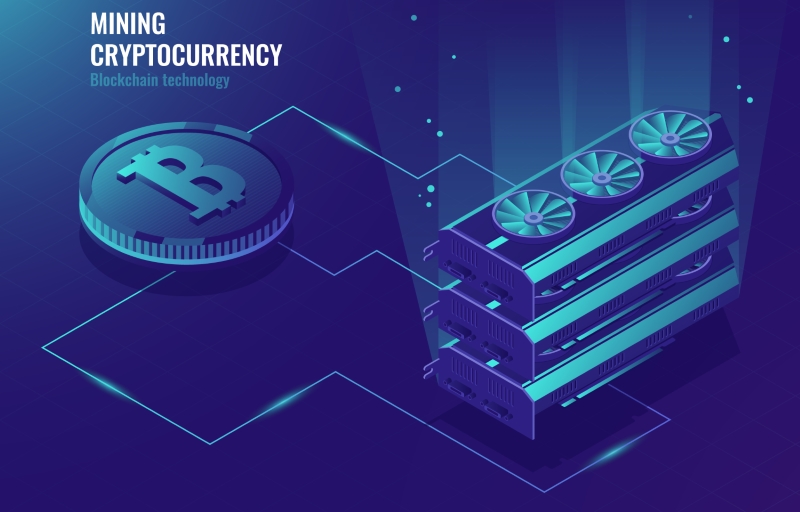
Here’s the kicker: Crypto giants aren’t just passively watching - they’re doubling down on investments because miners get leaner and markets get more volatile.
Why? Because of dominance cycles, risk-calibrated entries, and the magic of liquidation cascades that create juicy trading windows.
Dominance cycles: Bitcoin dominance has oscillated fiercely through 2025, with altcoins poking their noses then retreating when BTC flexes upward. Big funds track these cycles closely, betting heavy when BTC dominance tightens, signaling strong network security and renewed faith. That’s when investing in mining infrastructure or exposure becomes a strategic hedge.
ADX & volatility: Average Directional Index (ADX) readings on BTC and ETH charts have spiked past 35 multiple times in 2025, hinting at strong trending moves rather than choppy sideways trading - perfect hunting ground for big players rebalancing portfolios[Chart from TradingView].
Liquidation cascades: Last summer, a liquidation cascade triggered by a sudden ETH drop burned through $200 million in leveraged positions in minutes[on-chain analytics, mid-2025]. A trader I chatted with said this looked eerily like 2021’s blow-off top, stretching thin liquidity and forcing opportunistic whales to ramp up investments in mining and staking to capitalize on price rebounds.
So, scaling mining ops while cutting costs isn’t just about survival. It’s laying the groundwork for aggressive positioning, fueling buy-ins timed to exploit market volatility and dominance swings. Imagine holding SOL through a 60% dump in 2022 - brutal, right? But that taught some traders resilience, seeing dips as setups, not just disasters.
? Green Mining: Cutting Costs and Carbon Footprints Simultaneously

Anyone who’s been in crypto long enough knows energy costs are the miner’s Achilles heel. But 2025 isn’t just about scrimping power bills; it’s about pioneering eco-tech.
Hydropower powers over 36% of North American mining, led by Canada and the Pacific Northwest, and solar expansions in Texas and Nevada have pushed renewables output up 23%, offsetting thousands of tons of CO2 annually[2]. Immersion cooling - fancy name for cooling rigs by immersing them in liquid - has upped efficiency by 22%, slashing operational costs and prolonging hardware life.
That’s why over 52% of major mining firms now pledge carbon neutrality by 2030, each jockeying to qualify for green mining grants growing in Europe and Scandinavia[2][4]. A study by the Crypto Climate Accord even estimates millions saved by investing in renewables versus fossil fuels in mining[4].
Honestly, it’s a win-win: lower power costs and rep on the green floor. Makes you wonder how long before governments start offering sweeter tax breaks for eco-friendly mining.
? Innovation and ASIC Supply: The Game-Changing Tech Behind the Scenes

The ASIC world can be a bit like a soap opera. A few manufacturers dominate, mainly Bitmain, MicroBT, and Canaan[3]. Supply chain hiccups, plus U.S. Customs seizing Bitmain’s gear over regulatory kerfuffles, have made availability tight.
But get this: the newer ASIC machines now sip power at just 28 joules per terahash, squeezing more hashes from every watt[1]. That edge is a big part why global network difficulty hit 113.76 trillion recently, the highest ever, meaning only the tech-savvy and cash-rich can stay competitive.
If you’re a trader, that makes these ASIC rollouts a bellwether - the more efficient the rigs, the fewer miners can keep up, concentrating power but also potentially presaging volatility when hardware upgrades hit the network.
? Investment Insights: Why Now Is Buy Time for the Crypto Giants
Still wondering why crypto titans don’t run for the hills when miners cut costs so fiercely? The answer is simple: they see opportunity.
- Lower marginal costs = higher potential profit margins for massive operations.
- Market volatility and liquidation cascades create buying and re-investing windows.
- Clean energy adoption and hardware upgrades reduce risk long-term.
- Regulatory clarity in some regions (like North America and Scandinavia) attract institutional capital.
- Liquid markets and better on-chain transparency allow giants to rotate holdings efficiently.
One industry analyst told me off-record, “The whales ain’t sleeping, fam. They’re rotating capital from speculation into infrastructure because the project they launched is solid. You’ve seen this before, right? BTC teasing breakout then faking out. This time, they’re ready to last longer.”
? What This Means for You, The Savvy Crypto Investor
If you’re eyeing investments or mining yourself, here’s a quick drilldown:
- Expect mining to consolidate more in hands of big operators with cheaper, greener energy. Small-time miners? Harder to survive.
- Follow ASIC tech developments; efficient hardware upgrades signal network strength shifts.
- Watch BTC dominance and ADX trends: they hint when capital will flood markets or slip.
- Keep tabs on regulatory changes-they’re the wild card for mining economics and institutional inflows.
- Don’t ignore liquidations; sudden sell-offs can be buying signals, just ask anyone caught in the 2021 blow-off top.
- Consider investments in blockchains with lower energy consensus as an ethical and strategic hedge.
Why Crypto Giants Are Increasing Investments as Miners Cut Costs: FAQs
Q1: Why are crypto giants increasing investments even as mining costs rise?
A1: Large players are capitalizing on cost-cutting technologies, scale advantages, and market volatility to expand profits and reinforce network control despite rising energy expenses.
Q2: How does the Bitcoin halving affect mining profitability?
A2: The halving reduces block rewards by half, squeezing miners’ revenue and prompting smaller miners to exit and larger ones to optimize efficiency and invest heavily.
Q3: What role does renewable energy play in crypto mining today?
A3: Renewables reduce operational costs and carbon footprints; over half of major miners commit to green energy goals, which also attract institutional investments and regulatory favors.
Q4: How do market mechanics like ADX and liquidation cascades influence investment timing?
A4: These indicators highlight strong trends and forced sell-offs that create windows for buying low and positioning for rebounds, driving investment decisions among crypto giants.
Q5: What are ASIC miners, and why are they important?
A5: ASIC miners are specialized mining machines that maximize hash power efficiency. Their upgrades increase network difficulty, favor big players, and impact market dynamics heavily.
mining profitability
bitcoin halving impact
crypto mining green energy
- https://www.compareforexbrokers.com/us/bitcoin-mining/
- https://coinlaw.io/cryptocurrency-mining-statistics/
- https://www.chainup.com/blog/crypto-mining-industry-trends-insights/
- https://www.theregreview.org/2025/03/19/bradley-the-energy-costs-of-cryptocurrency/
- https://bitbo.io/tools/mining-profitable/
- https://en.macromicro.me/charts/29435/bitcoin-production-total-cost






