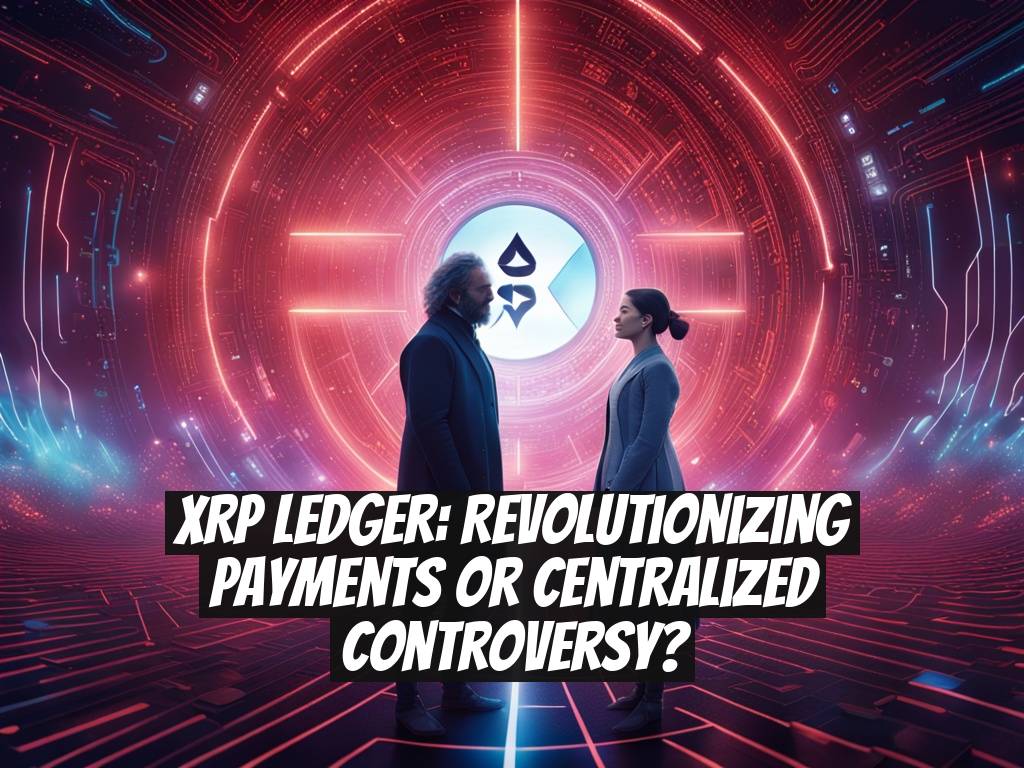
The XRP Ledger: Centralization vs. Decentralization
The XRP Ledger, a decentralized currency descendant of Bitcoin, has reached a market capitalization milestone of $42 billion. Here are the key points to consider:
1. Centralization Tradeoff: XRP Ledger relies on a smaller number of validators for enhanced security, speed, and throughput. However, this centralized approach also exposes the network to potential influence from major players and increases the risk of single points of failure.
2. Ripple Labs’ Vision: Ripple Labs initially aimed to revolutionize cross-border payments with XRP as a bridge asset. They expanded their focus to include central bank digital currencies, leading to their current market capitalization.
Subscribe to our Social Media for Exclusive Crypto News and Insights 24/7!
3. Criticism and Defense: Crypto experts criticize Ripple’s financial partnerships, which contradict the principles of decentralized payment networks. The XRP Army defends the platform, highlighting its energy efficiency and security through a more centralized system with fewer validators.
4. Debate on Proof of Authority: Critics argue that Ripple’s Proof of Authority system undermines the core principle of distributed ledgers that remove trust from centralized entities, posing a challenge for Ripple Labs.
5. Challenges and Support: Despite its market capitalization, the XRP Ledger struggles to expand beyond its primary use cases. The absence of programmable smart contracts hinders the growth of community-run ecosystems. Ripple’s ongoing SEC lawsuit has garnered some support, with industry players re-evaluating their stance.
Hot Take: Balancing Centralization and Decentralization
The success of the XRP Ledger raises questions about the tradeoff between centralization and decentralization. While the platform’s centralized approach provides enhanced security and speed, it also exposes it to potential influence from major players. Ripple Labs must find a way to address criticisms and challenges, such as expanding the ecosystem and overcoming the absence of programmable smart contracts. The ongoing SEC lawsuit adds another layer of uncertainty to the future of the XRP Ledger.