Is Traditional Banking Ready to Embrace Blockchain without Losing Control?
JPMorgan’s blockchain initiatives are reshaping how regulated banking might operate in a digital future, signaling profound implications for the crypto market. The rollout of JPM Coin, a deposit token designed specifically for institutional clients, marks a major step in integrating traditional finance (TradFi) with blockchain innovation. This effort not only brings regulated digital assets front and center but opens intriguing pathways for banks to handle money with the speed, transparency, and security of blockchain without straying from regulatory comfort zones. Let’s dive deep into what JPMorgan’s blockchain journey means-for investors, for the crypto community, and for the future of banking itself.
Key Takeaways
- JPMorgan is pioneering deposit tokens with JPM Coin, combining blockchain convenience with regulated banking’s safety nets.
- The bank collaborates with major players including DBS Bank to enable cross-border tokenized deposits on interoperable blockchains.
- Unlike typical stablecoins, JPM Coin is interest-bearing, making it attractive for businesses managing large cash positions.
- This approach may bridge DeFi and TradFi, inviting institutional participation without sacrificing compliance.
- JPMorgan’s initiatives hint at a future where regulated digital banking is faster, more efficient, and globally connected.
Subscribe to our Social Media for Exclusive Crypto News and Insights 24/7!
? JPMorgan’s Blockchain Breakthrough: Deposit Tokens Explained

JPMorgan Chase, a Wall Street titan, has leapfrogged into digital asset innovation, launching JPM Coin (ticker: JPMD), a deposit token for institutional clients. Unlike regular stablecoins, which do not pay interest, JPM Coin represents a tokenized claim on existing bank deposits that actually earn yield. This is a game-changer for cash-heavy businesses such as crypto trading firms, offering a regulated alternative to stablecoins with the added advantage of interest income[1][3].
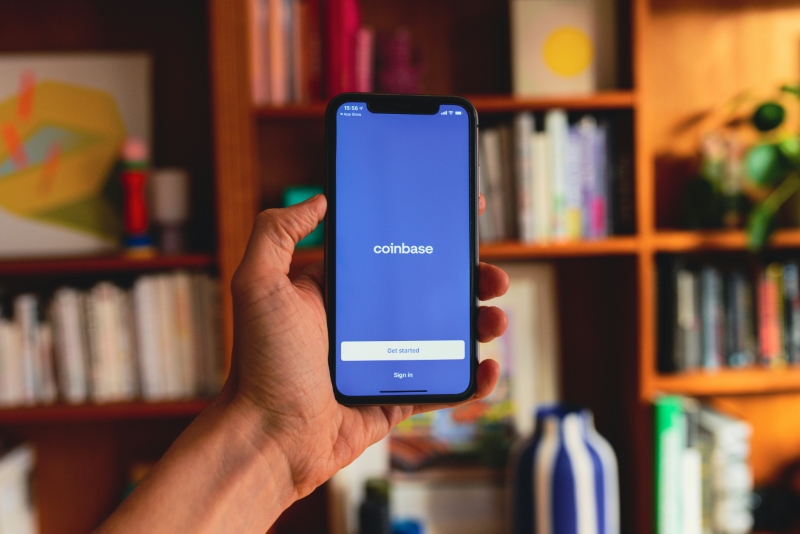
The token is currently issued on Coinbase’s public layer-2 blockchain called Base, enabling near-instant settlement of transactions around the clock, bypassing business hour constraints of traditional banking. JPMorgan plans to expand JPM Coin to additional currencies, including a trademarked euro-denominated version JPME, signaling ambitions for broad global reach[1][3][6].
“We think that stablecoins get a lot of buzz, but for institutional clients, deposit-based products offer a compelling alternative-they can be yield-bearing,” explained Naveen Mallela, global co-head of JPMorgan’s blockchain division Kinexys[1].
This blend of blockchain speed, institutional trust, and regulatory compliance places JPM Coin firmly as the future of regulated digital banking assets. For crypto markets, this is a clear signal that regulated finance and crypto-friendly technologies can coexist and even thrive together.
? Cross-Border Magic: JPMorgan Teams with DBS Bank on Tokenized Deposits
One of the most significant moves JPMorgan is making is teaming up with DBS Bank from Singapore to create an interoperable framework allowing tokenized deposits to move seamlessly between their blockchain networks[2][5]. Think of this like establishing a blockchain-based SWIFT system, but with instant, 24/7 settlements across multiple currencies and jurisdictions.
This interoperability will connect JPMorgan’s Kinexys platform with DBS Token Services, enabling clients to transfer tokenized deposits cross-border without traditional payment rails-cutting costs, friction, and delays inherent in legacy banking infrastructure[2]. It could set new industry standards for how institutional payments and treasury operations are handled worldwide.
Naveen Mallela notes, “Working with DBS shows how banks can collaborate to protect the ‘singleness of money’ and achieve true interoperability across markets”[2].
The implication here is profound: institutions worldwide could soon exchange digital tokens backed by real bank deposits in real time, globally. For the crypto space, this highlights how blockchain is moving beyond pure cryptocurrency speculation into real use cases anchored in regulated finance.
? JPMorgan’s Blockchain Innovations: More Than Just Payments
JPMorgan’s Kinexys isn’t just about speeding up payments. They are venturing into the frontier tech realm by combining blockchain with the Internet of Things (IoT), executing the world’s first bank-led tokenized value transfer in space via satellites[4]. This experiment exemplifies JPMorgan’s commitment not just to incremental change but to reimagining entire ecosystems of digital value transfer.
Using Ethereum-standard contracts (ERC-20), JPMorgan successfully deployed tokenized assets through low Earth orbit satellites communicating directly-showing how blockchain could underpin future autonomous marketplaces beyond Earth itself[4].
Such pioneering projects demonstrate JPMorgan’s vision: blockchain isn’t a one-trick pony for payments but a foundational technology for financial interoperability, automation, and innovation, even in unknown terrains.
? What This Means for Crypto Markets: The Analyst’s Take
As a crypto analyst, JPMorgan’s blockchain initiatives send two clear signals:
Regulation and innovation can coexist: While many crypto projects operate outside traditional regulatory umbrellas, JPM Coin points to a regulated, institutional-grade crypto asset tied directly to fiat deposits that also yield interest. This could attract conservative institutional investors who seek the speed and programmability of crypto without risky volatility or regulatory uncertainty.
Tokenized deposits could disrupt stablecoins: Most stablecoins don’t pay holders the interest generated by their collateral. JPM Coin offers yield-bearing deposits that are bank-backed, potentially shifting demand away from more speculative stablecoins like USDT or USDC, especially for large corporate treasury functions.
For crypto markets, this means a new breed of digital assets tailored for regulated use cases will emerge as trusted bridges between TradFi and DeFi ecosystems.
? Practical Tips for Investors Eyeing JPMorgan’s Blockchain Wave
If you’re considering the potential of JPMorgan’s blockchain initiatives, here are some friendly pointers:
- Watch JPM Coin adoption closely: Institutional uptake will be key in validating this new type of deposit token. Look for announcements from partnerships and client expansions.
- Monitor cross-chain interoperability: The DBS partnership is pioneering multi-blockchain tokenized settlements. Ecosystems that enable smooth asset transfers without friction will gain competitive edges.
- Keep an eye on regulatory developments: JPMorgan’s ability to expand deposit tokens into other currencies depends on regulatory approvals, so stay updated on banking and crypto regulation trends globally.
- Explore complementary technologies: Blockchain IoT integrations and satellite-based blockchain networks indicate broader innovation trends to watch beyond payments alone.
? Personal Insights: Friend-to-Friend Explanation
Imagine you’re chatting with a friend who’s skeptical about crypto because of shady coins and uncertain regulation. You might say: “Hey, JPMorgan-yeah, the giant bank-just created its own digital money called JPM Coin. But unlike crypto coins that go up and down wildly, this one’s like having your cash digitally on the blockchain, earning interest, and moving as fast as an email-anytime you want. And they’re working with big banks worldwide to make this digital money flow between countries instantly. If even JPMorgan is doing this, crypto’s future is clearly not just about risky bets but trusted, regulated tools that could change banking forever.”
? Further Insights: Dive Deeper into JPMorgan’s Blockchain Future
- JPMorgan’s Blockchain Initiatives Signal Future of Regulated Banking
- JPMorgan Launches JPM Coin
- Cross-Border Tokenised Deposit Framework
Will the rise of regulated blockchain tokens like JPM Coin soon blur the lines between traditional banks and crypto innovators, or will new regulatory challenges maintain a divide? It’s an exciting question for investors and crypto enthusiasts alike to ponder.
Sources:
[1] https://stocktwits.com/news-articles/markets/equity/jp-morgan-launches-jpm-coin-for-institutional-clients-expands-push-into-blockchain-payments/cLPIYllRE5L[2] https://www.coindesk.com/business/2025/11/11/jpmorgan-and-dbs-bank-team-up-on-cross-border-tokenised-deposit-framework
[3] https://www.financemagnates.com/cryptocurrency/jpmorgan-launches-deposit-token-jpm-coin-for-institutional-clients/
[4] https://www.jpmorgan.com/technology/news/blockchain-in-space
[5] https://www.dbs.com/newsroom/DBS_and_Kinexys_by_JP_Morgan_to_develop_framework_for_interbank_tokenised_deposit_transfers_across_multiple_blockchains
[6] https://cryptobriefing.com/jpmorgan-jpm-coin-jpmd-base-launch/